

The American chestnut, wiped out by blight a century ago, is coming back with DNA-led breeding
Once one in four trees in eastern North American forests, the chestnut is returning as researchers use genomic selection to breed blight-resistant trees.
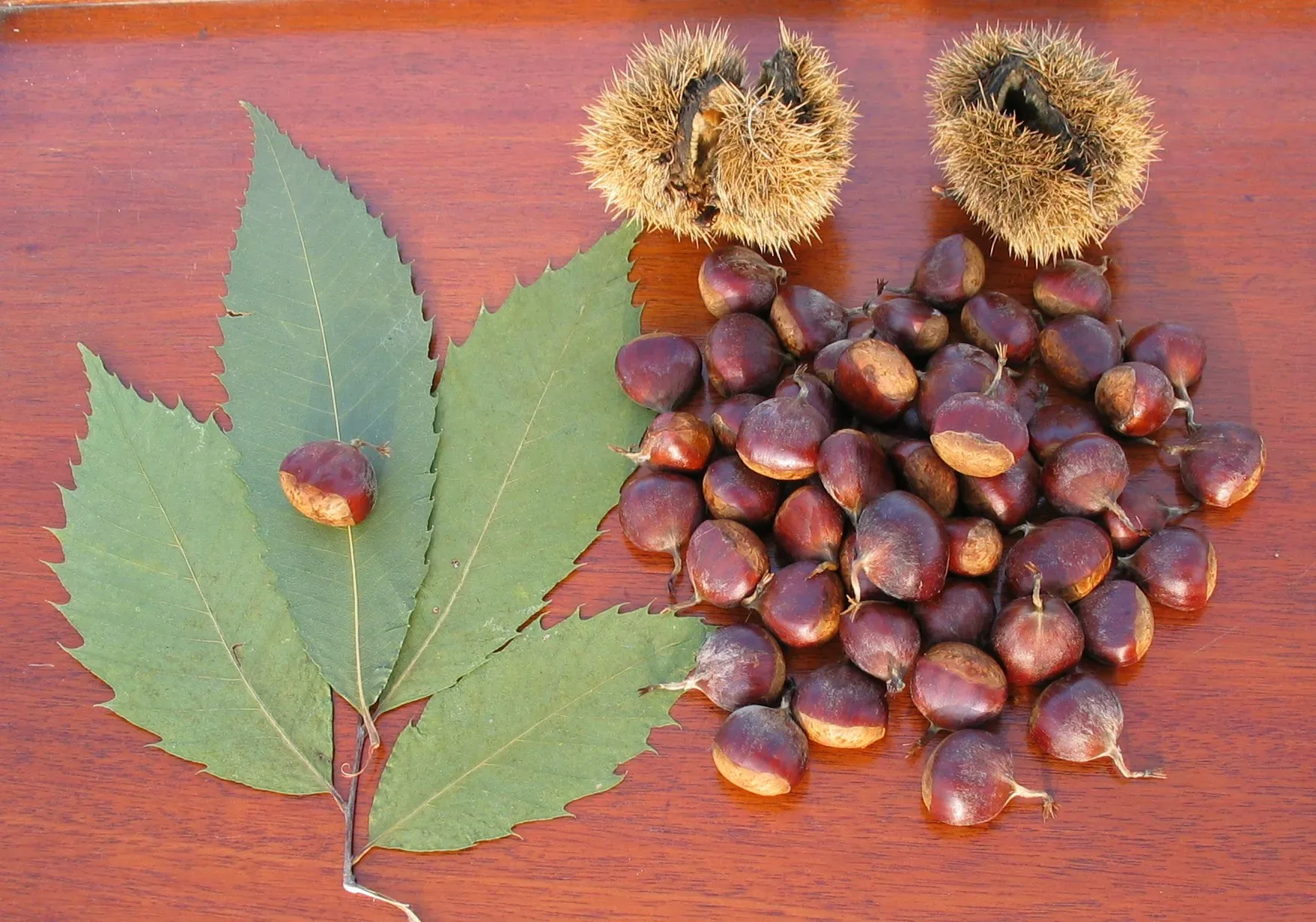
The American chestnut, a tree that once made up one in every four trees in the forests of eastern North America before a disease wiped it out, is making a comeback, thanks to decades of patient research and a new DNA-based breeding method.
In orchards near the Appalachian Trail in Virginia, scientists and volunteers from the American Chestnut Foundation are growing trees that would have been unthinkable a generation ago. One, nicknamed Thompson, stands more than 70ft tall.
One of the worst environmental disasters
The chestnut was fast-growing, with rot-resistant wood and sweet nuts that fed people and wildlife alike, from squirrels and wild turkeys to deer and black bears. In early summer its long white catkins made mountain slopes look as if they were covered in snow.
Then chestnut blight, a fungus accidentally brought in from Asia, was discovered in 1904 on trees at the Bronx Zoo in New York. By 1941 more than four billion trees had died, and by 1950 the species was functionally extinct. The roots survive and still send up shoots, but they rarely live long enough to fruit before the blight kills them.
Breeding with DNA
Early attempts to save pure American trees by grafting proved very difficult: of more than 1,300 grafts made between 1980 and 1984, only about 100 survived, and about a dozen remain today.
Now, researchers are crossing American chestnuts with blight-resistant Chinese chestnuts and choosing trees that keep mostly American ancestry along with resistance to the disease. In February, they published a paper in the journal Science describing a method called recurrent genomic selection, which combines DNA profiles with computer modelling to predict which traits a tree is likely to pass on.
That matters because one chestnut generation takes seven to ten years, and waiting 30 to 40 years to see how a tree copes with blight is impractical. Sequencing a seedling, which once cost hundreds of dollars, now costs about $18.
"Restore a phenotype"
Unusually, the foundation is not aiming for purity, but for trees that can play the role the chestnut once did in the forest.
"We need to get away from this [idea] that we have to bring back the American chestnut, that it has to be this purity ideal," said Cassie Stark, its director of science implementation. "What we're trying to do is restore a phenotype," added Michael Goergen, its president and chief executive.
The challenge ahead
Getting chestnuts back into the wild on a large scale will still be hard. "They are finicky trees, you can't just plant them anywhere," Ms Stark said. Sites need the right soil and light, young trees need fencing from deer, and the work depends on landowners and volunteers.
But with orchards of trees now 10 to 12 metres tall outcompeting maples and poplars, the forests of Appalachia may one day see the chestnut again.
More in Science
All
Latest news
Featured posts
-
Things to do
Top 10 places to visit in Birmingham
-
Food and drink
The 12 most popular food spots in Birmingham
-
Things to do
The best laser tag locations in Birmingham