

Bacteria-carrying mosquitoes cut dengue by 68% among schoolchildren in Brazil
In Belo Horizonte, releasing Wolbachia mosquitoes slashed dengue and chikungunya infections, even during Brazil's worst recorded outbreak.
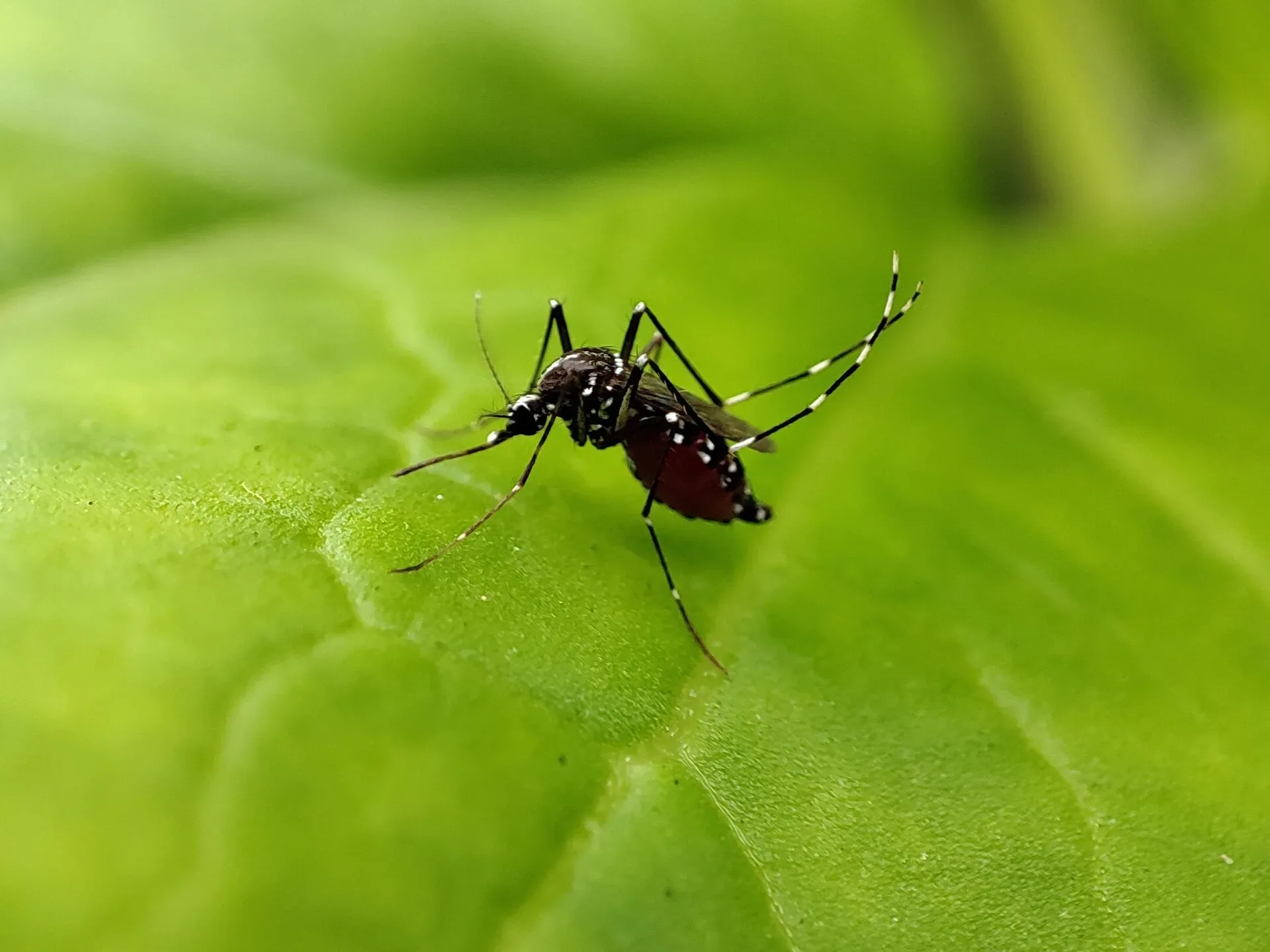
Releasing mosquitoes carrying a natural bacterium cut dengue infections among schoolchildren by more than two-thirds in the Brazilian city of Belo Horizonte, even during the biggest dengue outbreak Brazil has ever recorded.
The EVITA dengue trial tested mosquitoes infected with Wolbachia, a bacterium that stops Aedes aegypti mosquitoes from spreading viruses such as dengue, Zika and chikungunya. The infected mosquitoes pass the bacterium on to their offspring, so the protection spreads through the mosquito population over generations.
A 68% fall in dengue
The trial divided the city into 58 areas around schools. Twenty-nine received releases of Wolbachia mosquitoes alongside the usual mosquito control, such as insecticide spraying and removing breeding sites, while the other 29 had standard control alone. The mosquitoes were released from January 2021 to May 2022, and 5,757 children aged six to 11 took part.
Dengue infections were 68.5% lower in the areas where the mosquitoes were released, and chikungunya infections were 73.3% lower. There were too few Zika cases to judge the effect on that virus.
"Even under conditions of intense transmission"
"The intervention substantially reduced dengue infections during Brazil's largest recorded outbreak, demonstrating its potential to protect communities even under conditions of intense transmission," said Derek Cummings of Johns Hopkins University, co-principal investigator of the trial.
Luciano Moreira of Fiocruz and the World Mosquito Program in Brazil said: "We are pleased to have developed this locally adapted strain from Belo Horizonte for the EVITA dengue trial and to achieve successful sustained establishment of the Wolbachia-infected mosquitoes for over 3 years."
The results were presented at the annual meeting of the American Society of Tropical Medicine and Hygiene in Maryland.
Similar results elsewhere
The trial used a locally adapted version of wMel, the most commonly used strain of Wolbachia, named after the fruit fly in which the bacterium was first found. A city-wide trial in Singapore recorded an almost identical fall in cases, and the researchers say the findings reinforce evidence that the method could become a first-line way to reduce dengue and other mosquito-borne diseases around the world.
Why it matters
Dengue has been spreading to new areas as the climate warms, and there is no simple cure. A method that turns the mosquito population itself against the virus, without the need for repeated spraying, could protect millions of people in tropical cities.
The trial was a partnership between Johns Hopkins University, the Federal University of Minas Gerais, the World Mosquito Program, Fiocruz and the São José do Rio Preto medical school.
More in World
All

Latest news
Featured posts
-
Things to do
Top 10 places to visit in Birmingham
-
Food and drink
The 12 most popular food spots in Birmingham
-
Things to do
The best laser tag locations in Birmingham