

Wolves help wild blueberries grow, as seeds that pass through them sprout faster
In Minnesota, 96% of blueberry seeds from wolf droppings sprouted, against 69% from uneaten berries, suggesting wolves help spread new berry patches.
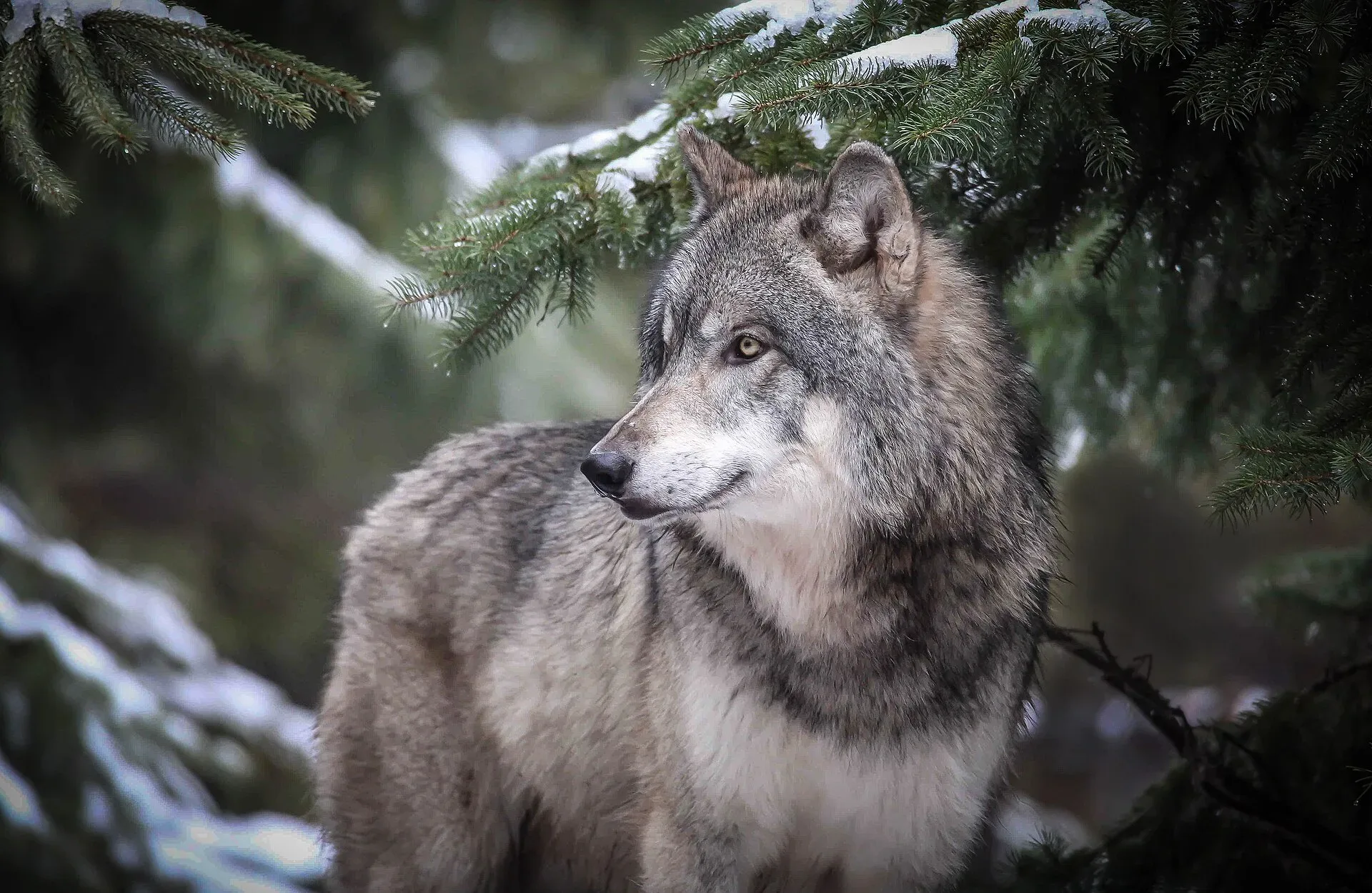
Wolves in the northern forests of Minnesota are helping wild blueberries to grow, according to a new study which found that blueberry seeds that had passed through a wolf's gut sprouted faster and more often than seeds from berries no animal had eaten.
Every summer, grey wolves in the area become mostly fruit eaters. At the peak of berry season in July and August, berries make up as much as 83% of adult wolves' weekly diet in the Greater Voyageurs Ecosystem, a southern forest region on the border with Canada.
96% of seeds sprouted
Researchers working with the University of Minnesota's Voyageurs Wolf Project collected fresh wolf droppings in 2017 and 2018. They picked out 802 seeds and grew them for 60 days, alongside 484 seeds taken from wild berries that had not been eaten.
Ninety-six per cent of the seeds from wolf droppings sprouted, compared with 69% of the others. Half of the wolf seeds had sprouted by day 19, while the others took until day 26. The researchers caution that the comparison seeds came from three batches stored in different ways, but even against the best of those, the wolf seeds came out ahead by five percentage points.
The authors think the trip through the gut probably wears down the seed coat, and the droppings may act like fertiliser and protect seeds from disease.
Planting new berry patches
"Honestly, we were surprised that gut passage through wolves increased the germination success and speed of blueberry seeds," said lead author Alex Gross, now a master's student at Northern Michigan University.
Because wolves travel long distances quickly, the researchers say they are likely to be effective at spreading blueberry seeds far and wide. "[Wolves] may initiate the growth of new berry patches in different habitats within their territories," Mr Gross said. Berries are a major food for many forest animals.
Anna Traveset, an ecologist who was not involved in the study, told the Sierra Club: "These results underscore the importance of conserving all species, including large carnivores, such as wolves."
A comeback, with questions ahead
Grey wolves were once poisoned, trapped and shot out of most of the lower 48 states, and by the 1960s Minnesota's population may have fallen to as few as 350. Since federal protection began in 1974, numbers in the state have recovered to between roughly 2,200 and 3,000.
The study was published in the journal Biology Letters. It comes as US lawmakers debate removing federal protection from grey wolves, and as wolf numbers in the study area have fallen. The findings suggest wolves also help shape the forest by spreading the seeds of one of its most important foods.
More in World
All

Latest news
Featured posts
-
Things to do
Top 10 places to visit in Birmingham
-
Food and drink
The 12 most popular food spots in Birmingham
-
Things to do
The best laser tag locations in Birmingham