

China's mangrove forests have doubled, and bird species have more than doubled with them
After losing nearly 70% of its mangroves by 1990, China has restored them, and 397 bird species are now recorded there, up from 148.
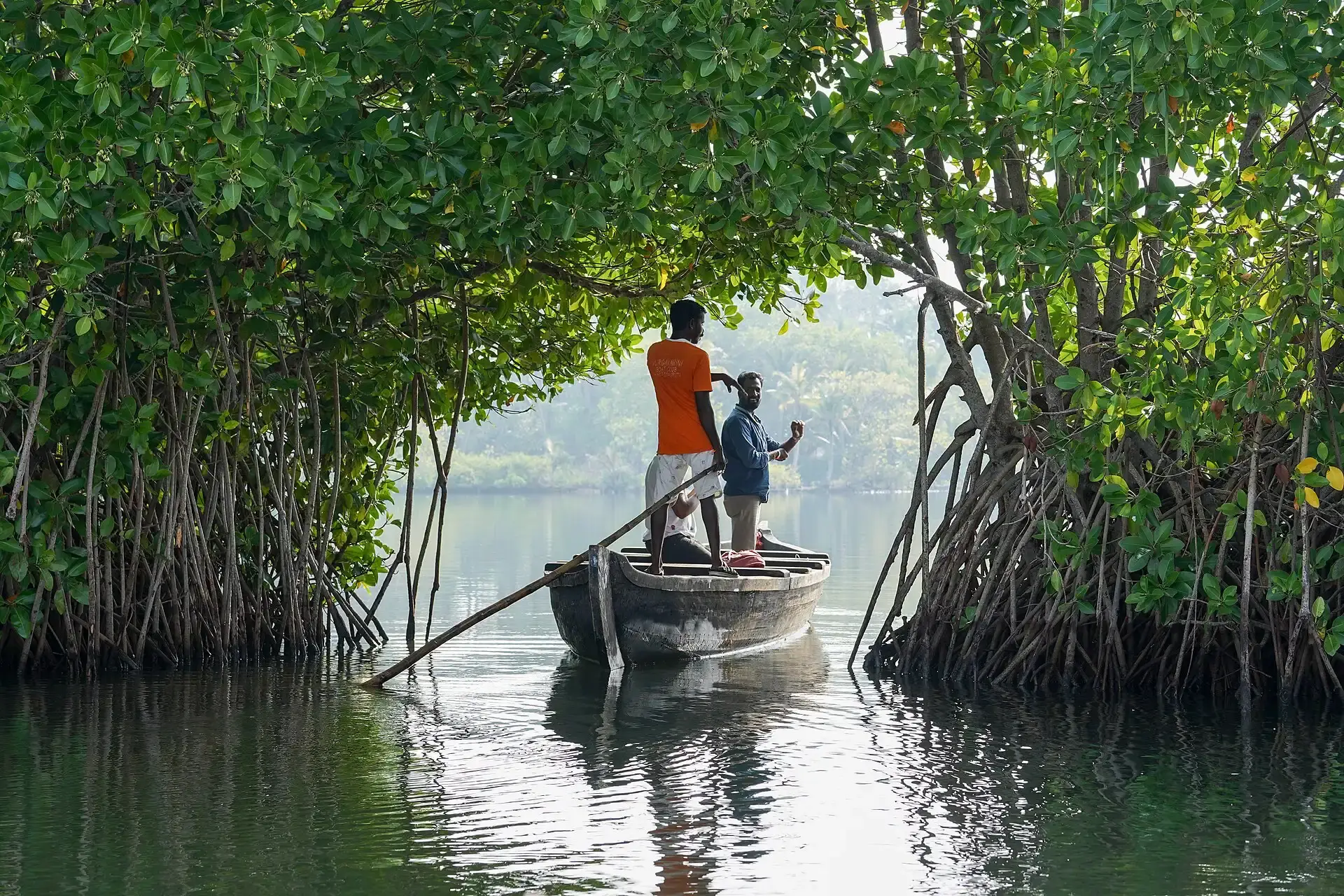
China's mangrove forests have more than doubled in area in just over two decades, and birds have flocked back to them, with the number of species recorded in the forests rising from 148 to 397.
The findings, published in the journal The Innovation, show a striking recovery for coastal forests that were in steep decline only a generation ago. China lost nearly 70% of its mangroves between 1950 and 1990, as coastlines were cleared for farming, fish ponds and development.
How the forests came back
Since then, the government has set aside mangrove reserves and restored damaged areas, including former fish and shrimp ponds. Between 1998 and 2020, mangrove cover in China more than doubled, according to the study. Rising temperatures and more rainfall have also helped the trees to grow, the researchers say.
Good news for birds, and rare ones too
The extra forest gives birds more places to nest and roost, and may have boosted numbers of fish and other aquatic life that many birds feed on. The number of globally threatened bird species recorded in China's mangroves rose from 11 to 21 over the study period.
Not every bird will benefit, though. Sandpipers and plovers feed on open mudflats and in gaps between the trees, and both may become scarcer as the mangroves grow thicker.
A worldwide recovery
China is not alone. A study published in the journal Science in June found that the world's mangroves have been expanding since around 2010, making up for much of the loss of earlier decades. A separate assessment by Global Mangrove Watch found a net increase of 477 square kilometres between 1985 and 2025.
That is a modest gain of 0.3% over four decades, but much of the new forest has grown back naturally, without anyone planting a tree.
Why mangroves matter
Mangroves are trees and shrubs that can survive in salty coastal water where few other plants can, and they are found along the shores of more than 100 countries. They grow along tropical and subtropical coastlines, where their tangled roots protect shores from storms and erosion, shelter young fish and store large amounts of carbon. Their recovery is good news for wildlife and for the coastal communities that depend on them.
The story echoes another success reported this month, when satellite images covering 40 years showed the world's mangrove forests growing again after decades of loss. Together, the findings show that when habitats are protected and given room to recover, nature can bounce back, and wildlife soon follows.
More in Environment
All

Latest news
Featured posts
-
Things to do
Top 10 places to visit in Birmingham
-
Food and drink
The 12 most popular food spots in Birmingham
-
Things to do
The best laser tag locations in Birmingham