

Otters return to Kuala Lumpur's once filthy Klang River, a sign that years of clean-up are working
The vulnerable smooth-coated otters are now seen regularly in the Malaysian capital, after the river improved from severely to moderately polluted.
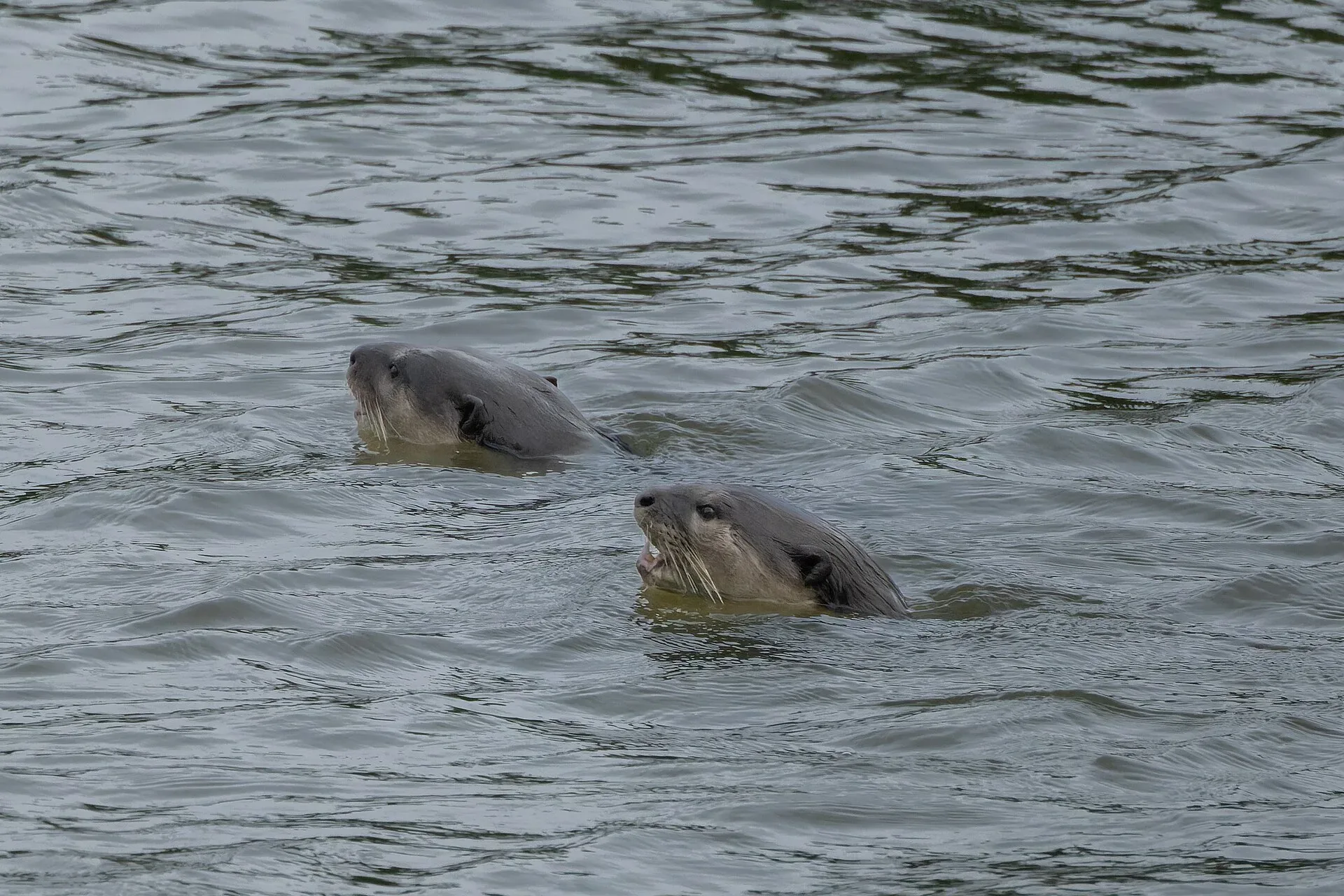
Families of smooth-coated otters are being spotted more and more often along the Klang River in the heart of Kuala Lumpur, raising hopes that years of work to clean up one of the world's dirtiest rivers is paying off.
The otters, classed as vulnerable on the global Red List of threatened species, have been filmed sunbathing on the river's concrete banks and swimming beneath elevated metro stations, winning viral fame in the Malaysian capital.
From "severely polluted" to "moderately polluted"
The Klang was once rated Class 5, severely polluted, the worst possible score under Malaysia's river rankings. Years of work have improved it to Class 3, moderately polluted, which seems to have encouraged the otters to move in, according to Malaysian wildlife ecologist Woo Chee Yoong.
"Wherever there are otters, there are fish. Wherever there are fish it means the whole river system [is] clean, it's healthy for all the communities around," he said.
Hundreds of rubbish traps were installed as part of the government's River of Life project, and solar-powered "interceptors" run by a Dutch charity have collected tens of thousands of tonnes of waste.
Retired soldier Hasan Ujang, who lives in a riverside flat, enjoys watching them. "We feel really happy when we watch them playing and playing, like kids swimming," he said.
"One day, I want to swim in the Klang River"
Maimunah Mohd Sharif, a former mayor of Kuala Lumpur who now advises the city on sustainable development, called the otters an "asset". "Otters are one of the benchmarks for clean cities," she said.
She wants more done to stop waste reaching the river in the first place, and to raise it to a standard clean enough for people to swim in. "One day, I want to swim in the Klang River," she said.
Others hope parts of the river can be returned to natural banks rather than concrete, which would give the otters vegetation and crevices to hide in.
Sharing the city
The otters' return has not been entirely smooth. Habitat loss from building work has pushed some into a housing estate, where they have raided garden fish ponds. Because the species is protected, Mr Woo advises residents to block gaps and cover ponds with fences or netting rather than harm them. He co-founded the Malaysian Otter Network in 2020, which hopes to set up a citizen science scheme so people can report sightings.
Still a mystery
Unlike neighbouring Singapore, where a network of citizen scientists keeps a close eye on the city's otters, little is known about Kuala Lumpur's. "We don't know how many groups are there, we don't know how actually the otters are moving around," Mr Woo said. Even whether they have returned to the city or were simply out of sight before remains a "mystery".
More in Environment
All

Latest news
Featured posts
-
Things to do
Top 10 places to visit in Birmingham
-
Food and drink
The 12 most popular food spots in Birmingham
-
Things to do
The best laser tag locations in Birmingham