

£11m to help England's coastal communities prepare for rising seas and erosion
Drone surveys, restored dunes and roads moved inland are among 12 council projects, as 10,000 properties could be at risk from erosion by 2105.
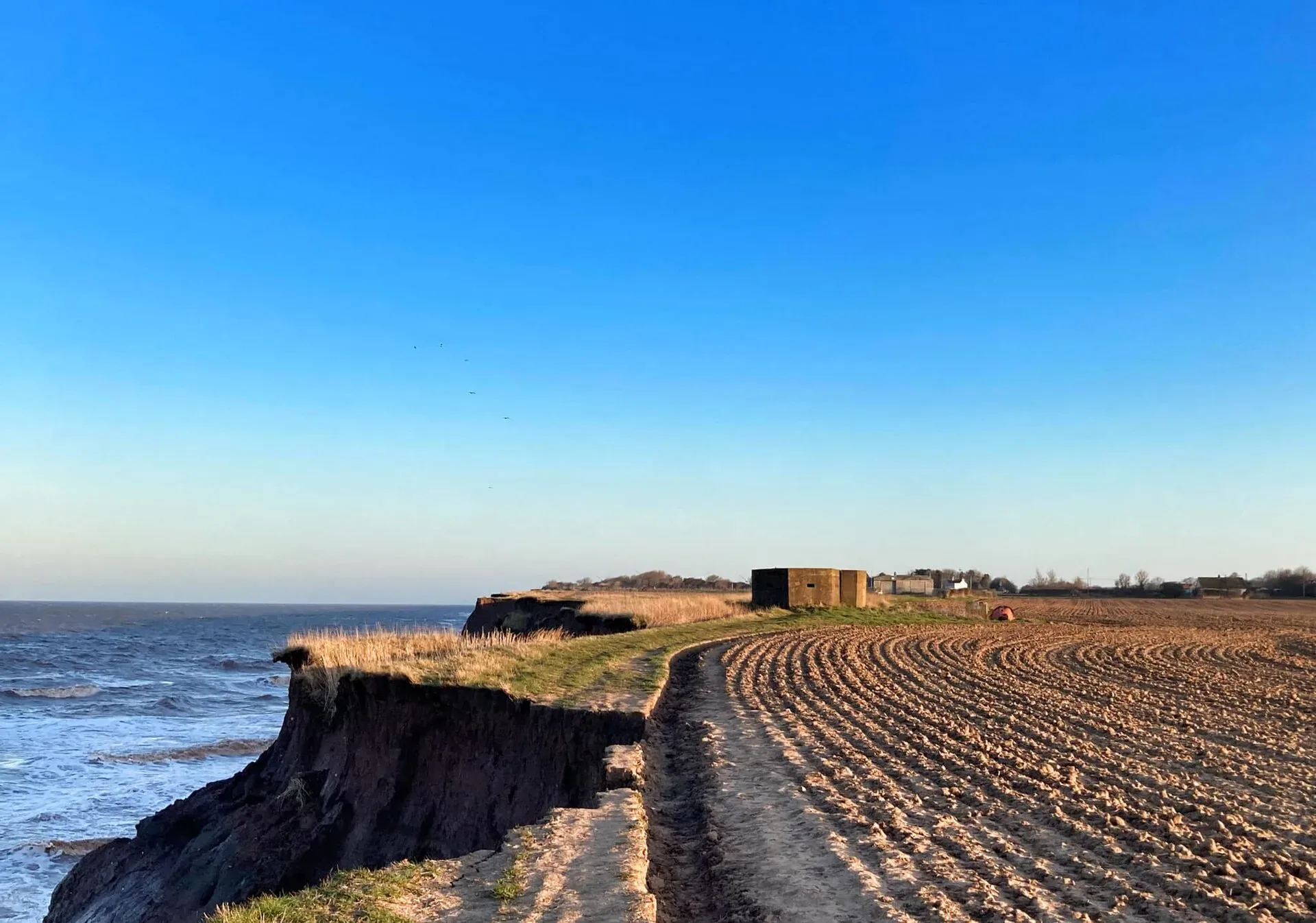
Laser-equipped drones, restored sand dunes and roads moved inland are among the projects sharing more than £11 million of government funding to help seaside communities in England prepare for rising seas and coastal erosion.
The money will go to 12 council-led projects that will test ways to spot coastal change earlier and help communities plan for what is coming.
Why it is needed
Coastal erosion is the gradual retreat of the shoreline. It can destabilise cliffs and eventually force homes and roads to be demolished before they fall into the sea. It is a natural process, but scientists say the climate crisis is speeding up the retreat of the UK's shores.
The Environment Agency estimates that 3,500 properties in England will be at risk from coastal erosion by 2055, rising to more than 10,000 by 2105. More than 10km of major roads, 107 miles of minor roads and 3.5 miles of railway are also at risk over the next 80 years.
Emma Hardy, the minister for water and flooding, said the funding would help communities manage the "heartbreak" of losing homes. "This is about being prepared for that coastal erosion and having those conversations with affected residents early," she said.
Where the money is going
- North Yorkshire will use £970,000 for drone surveys around Filey, Cayton and Scarborough, using laser pulses to build detailed 3D maps of the coast and spot cliff movement earlier.
- Cornwall, where about 500 homes are at risk, will get £2.6 million to restore dunes as a "nature-based buffer" against the waves and to draw up adaptation plans with residents in places including Crackington Haven, Hayle, Perranporth and Portreath.
- Watchet in Somerset, where cliff movement has closed a road and about 20 properties are at risk, will get £290,000 for 3D modelling and work with residents.
- Redcar and Cleveland will move a key road into the village of Staithes inland before erosion destroys it.
Dorset, the Isle of Wight, Northumberland, South Tyneside, New Forest, South Hams, Swale and Wyre councils will also receive funding.
Helping the most vulnerable
Julie Foley, the Environment Agency's director of flood risk strategy and adaptation, said many people living on the edge of cliffs are among the most vulnerable in society, often elderly or disabled. "This is investment in communities and engagement and support," she said.
The aim is to give councils earlier warning, so they can help residents plan a move before their homes become unsafe, rather than leaving people to move at short notice into temporary accommodation.
More in Environment
All
Latest news
Featured posts
-
Things to do
Top 10 places to visit in Birmingham
-
Food and drink
The 12 most popular food spots in Birmingham
-
Things to do
The best laser tag locations in Birmingham