

Aston University scientists create vegan 'honey' that can kill a drug-resistant superbug
Adding two ingredients found in mānuka honey gave a bee-free sugar syrup the power to kill Mycobacterium abscessus, pointing to sustainable wound treatments.
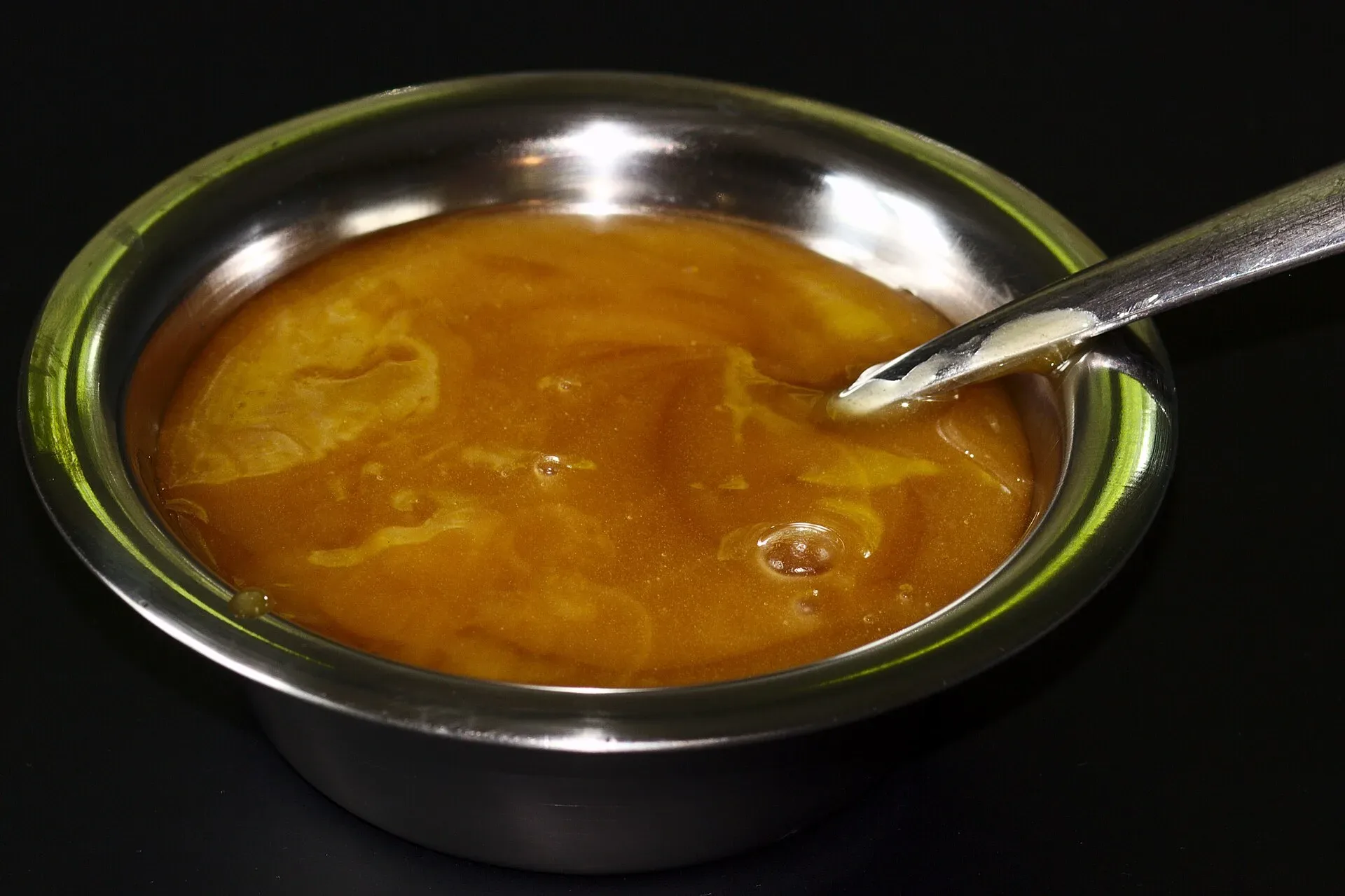
Scientists at Aston University in Birmingham have shown that a vegan alternative to honey could be given germ-killing powers similar to those of prized mānuka honey, in research that could one day lead to new wound treatments that do not depend on bees.
Mānuka honey, made by bees that feed on the mānuka bush in New Zealand, is known for its antibacterial properties and is being studied as a possible alternative to antibiotics as bacteria become resistant to drugs. But it is expensive, varies from batch to batch, and depends on honeybees, whose numbers are declining.
Recreating honey's secret weapons
Vegan honey alternatives are made from sugar syrup and mimic the consistency, sugar structure and taste of honey with no bee-derived ingredients. They have become more popular with the rise of veganism.
Dr Jonathan Cox, senior lecturer in biosciences at Aston, wanted to find out whether the key antimicrobial ingredients of medical honey could be recreated in a fully vegan formulation, and which of them do the most work.
His team's earlier research showed that mānuka honey is active against Mycobacterium abscessus, a highly drug-resistant bacterium that can cause hard-to-treat infections of the lungs, skin and soft tissue. New treatments for it are urgently needed.
The researchers tested specially made vegan honey formulations against the bacterium, looking at whether they could stop it growing and whether they could kill it outright.
Two key ingredients
Two components of mānuka honey proved particularly effective when added to the vegan versions: methylglyoxal (MGO) and hydrogen peroxide. The most powerful formulations combined MGO with enzyme systems that generate hydrogen peroxide inside the honey, and the best of them could kill M. abscessus.
The findings, published in the journal PLOS One, suggest that some of the benefits of medical honey can be reproduced without using anything from bees.
What comes next
Dr Cox says the next step is to fine-tune the formulations and understand better how the different ingredients work together, and future research could test them against other dangerous bacteria.
"Longer term, this research could help support the development of sustainable honey-inspired antimicrobial products for wound care or other topical applications, without relying on bee-derived ingredients," he said.
"The work also provides insight into how natural honey functions, which may help guide the design of next-generation antimicrobial therapies."
Aston, which has been part of Birmingham for more than 130 years, says its research focuses on work with an impact on society, including medical breakthroughs. The full paper, 'Modifications to a vegan artificial honey result in inhibitory activity against Mycobacterium abscessus', is free to read in PLOS One.
More in Science
All
Latest news
Featured posts
-
Things to do
Top 10 places to visit in Birmingham
-
Food and drink
The 12 most popular food spots in Birmingham
-
Things to do
The best laser tag locations in Birmingham