

Land at the Pilgrims' 'First Encounter' beach returned to Native American care
On Thanksgiving, 126 acres of Cape Cod salt marsh have been handed to an Indigenous-led conservancy, overlooking where the Pilgrims first clashed with the Nauset.
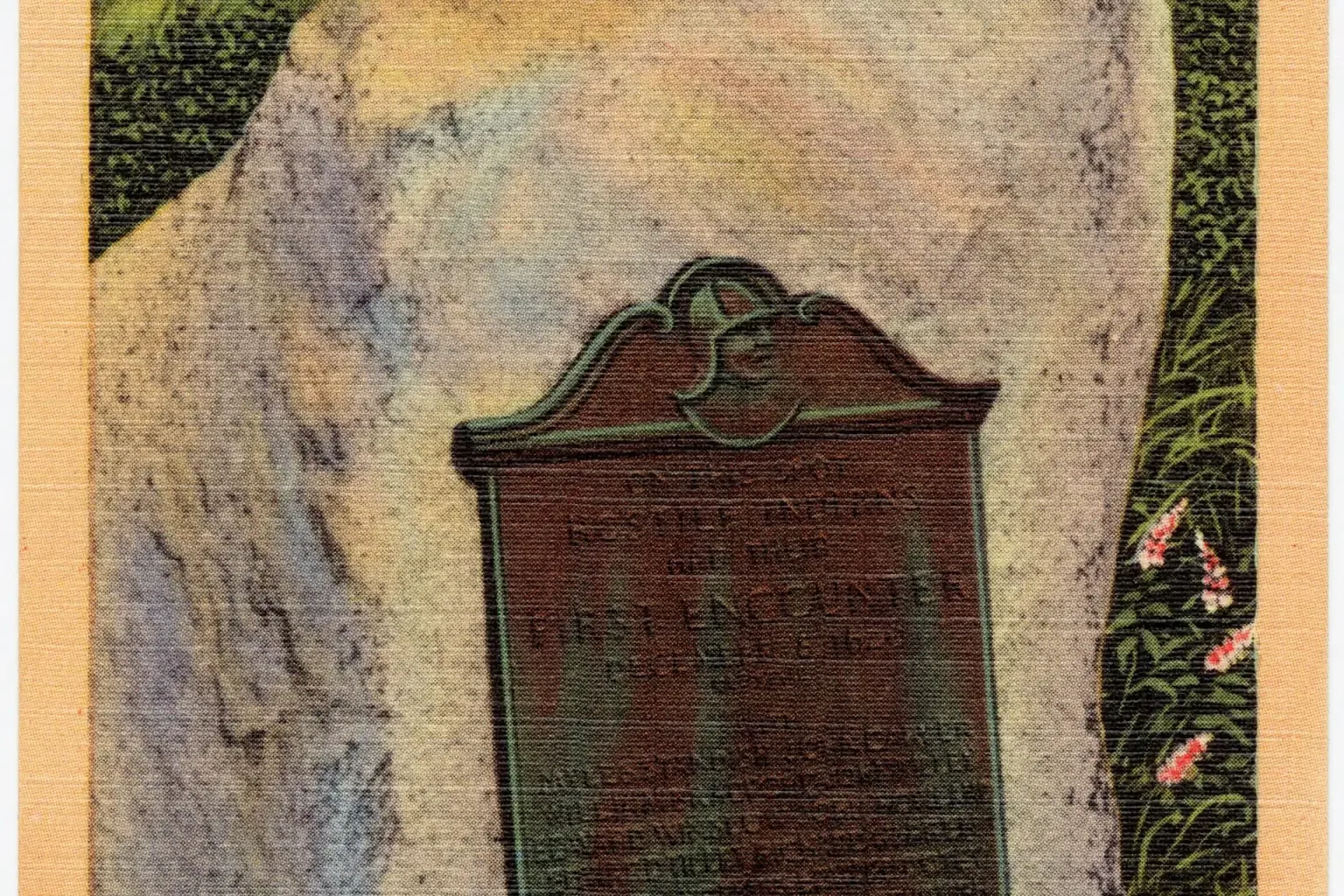
More than 400 years after the Pilgrims first explored Cape Cod, land overlooking the beach where they first clashed with Native Americans has been returned to Indigenous ownership, as Americans mark Thanksgiving today.
The Nature Conservancy has given around 126 acres of salt marsh and natural habitat in Eastham, Massachusetts, to the Native Land Conservancy, an Indigenous-led non-profit based in Mashpee. The land sits next to a 20.4-acre plot the Native Land Conservancy bought earlier this year for $3 million, together forming a larger protected area overlooking First Encounter Beach.
"Ready to be unearthed"
"This place holds so many stories that were buried and are ready to be unearthed," said Ramona Peters, founder and board president of the Native Land Conservancy and a member of the Mashpee Wampanoag Tribe. "Long before the first encounter, Native people lived here and took care of this land."
The first encounter
In December 1620, soon after the Mayflower arrived, an exploring party led by Myles Standish exchanged arrows and gunfire with Nauset warriors near what is now First Encounter Beach. The fight came after colonists had taken corn and disturbed graves.
"Our ancestors weren't just standing around. They were protecting their families, and taking care of this land lets us tell that story the right way," Ms Peters said.
The encounter came before the better-known harvest feast with the Wampanoag at Plymouth in 1621, which is remembered as the first Thanksgiving.
A home for turtles
The salt marsh and nearby higher ground are also home to vulnerable wildlife, including diamondback terrapins that nest along the coastal bluffs. The neighbouring plot, bought in June with help from the Eastham Conservation Foundation and local residents, has been named T8nupâhs Uwatuhshât, meaning "at the turtle's nest" in the Wôpanâak language.
Conservation rules will stay in place on parts of the land so it cannot be developed, while still allowing traditional uses such as aquaculture. There are plans to remove invasive species and restore native plants for cultural and ceremonial use.
"This land is new to our care. It is our way to listen to the land - discover what she needs and wants," said Paula Peters, the conservancy's communications and programme director. "We plan to invite our tribal families to come to the land and forage, fish, have ceremony, and for recreation."
Part of a wider movement
The Native Land Conservancy now holds more than 20 properties covering several hundred acres across Massachusetts, including on Martha's Vineyard and in Plymouth. The transfer is part of a growing "land back" movement in which conservation groups and private landowners are returning ancestral lands to Indigenous care.
More in World
All
Latest news
Featured posts
-
Things to do
Top 10 places to visit in Birmingham
-
Food and drink
The 12 most popular food spots in Birmingham
-
Things to do
The best laser tag locations in Birmingham