

US offshore wind farms are turning the seabed into reefs, with ten times as many sea bass near one
Mussels and algae on turbine foundations attract fish, delighting anglers. Scientists are now studying whether the turbines create more fish or just gather them.
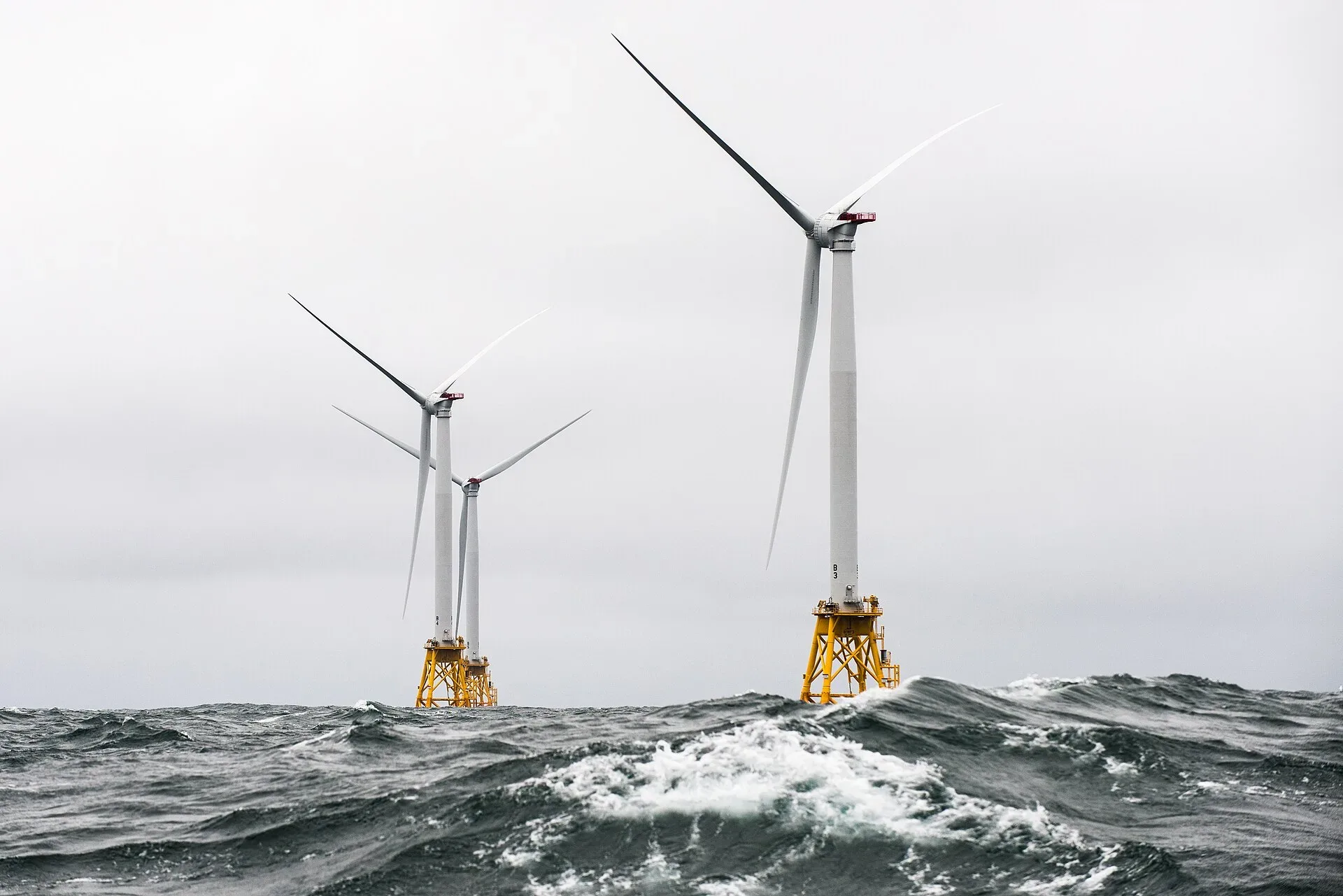
Offshore wind farms off the east coast of the United States are turning stretches of sandy seabed into thriving artificial reefs, with one study finding ten times as many black sea bass near the country's oldest wind farm as in similar areas nearby.
Researchers and fishers are now studying what the change means for sea life and the fishing industry, the Guardian reported. One scientist calls it "a huge experiment in biogeography".
"Fish here"
New York charter boat captain Tony DiLernia, who has fished for 50 years, heard rumours of prime fishing near the Block Island wind farm, off the tip of Long Island. As soon as he motored up to one of its five turbines, black sea bass and summer flounder started biting.
"It's what we call 'stupid fishing'," he joked. "You've got this thousand-foot [signpost] sticking up out of the water saying: 'Fish here.'"
The reef effect starts when mussels and algae settle on the turbine foundations, attracting crabs and small fish looking for food and shelter, which in turn draw larger species. "In six months, you would start to have reef effects," said Kevin Stokesbury, dean of the University of Massachusetts Dartmouth's School for Marine Science and Technology.
Seen in Europe first
The same effect has been seen at shipwrecks, oil rigs and European wind farms built years ago. In 2012, researchers found cod gathering around turbine foundations in the North Sea off the Netherlands, and a 2014 study found harbour seals appeared to be using turbines as hunting grounds.
Block Island, completed in 2016, is the oldest offshore wind farm in the US. The country now has five operating off its east coast, with three more due in 2027. Together they are expected to generate 6GW, enough to power more than 4.5 million homes.
More fish, or just gathered fish?
The big unanswered question is whether turbines are creating more fish or just concentrating the ones already there. "The big argument that everybody talks about is attraction versus production," said assistant research professor Chris Rillahan. His survey found black sea bass stayed close to the turbines while in the area, then carried on their usual migration.
The changes could favour some fishers over others: rod-and-line and trap fishing may benefit while trawlers lose ground, and researchers are working with commercial fishers to understand how they can adapt. There are downsides too: construction noise can harm fish, an invasive species nicknamed "sea vomit" has been found on the turbines, and open-water fish such as mackerel and herring may lose out. "I think the truth is somewhere in the middle," Mr Rillahan said.
For now, Mr DiLernia is planning his next trip, to the newly built turbines of Empire Wind south of Long Island. "I'll definitely get sea bass," he said.
More in World
All
Latest news
Featured posts
-
Things to do
Top 10 places to visit in Birmingham
-
Food and drink
The 12 most popular food spots in Birmingham
-
Things to do
The best laser tag locations in Birmingham