

UK unemployment falls to 4.6% and more people are in work, though job vacancies fall again
Unemployment in Birmingham's region is 5.6%, down 0.4 points on a year ago. The ONS calls the picture mixed, with small firms holding back on hiring.
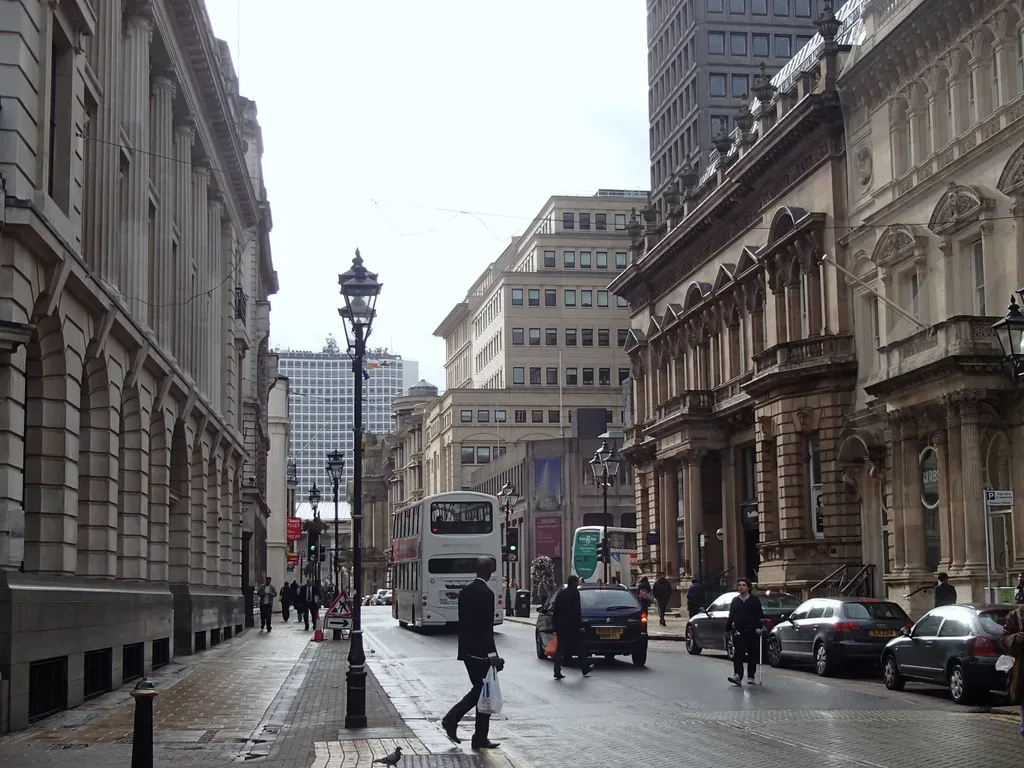
More people are in work and fewer are unemployed across the UK, according to the latest official figures, with unemployment in Birmingham's region also down on a year ago, although job vacancies have fallen again and the Office for National Statistics describes the overall picture as mixed.
The UK unemployment rate fell to 4.6% in July to September 2026, down 0.3 percentage points on both the year and the previous quarter, the ONS said on Tuesday. The employment rate for people aged 16 to 64 rose to 75.4%, up 0.4 points on the year, and economic inactivity, people neither working nor looking for work, edged down to 20.8%.
What it means for Birmingham's region
In Birmingham's region, the unemployment rate was 5.6%, down 0.4 points on a year earlier and unchanged on the quarter. That is still the second highest rate in the UK after London, at 6.4%, and the region's employment rate of 73.0% was 0.7 points lower than a year ago.
Across the country, the lowest unemployment was in Northern Ireland, at 2.2%, and the highest employment rate in the South West, at 79.4%.
Pay still rising
Regular pay, excluding bonuses, grew by 3.5% a year in July to September, slightly slower than the 3.7% in the previous three months. The ONS said the slowdown was driven by public sector pay, as the recent effect of the timing of pay awards drops out of the figures.
The catch: fewer vacancies
The ONS was clear that the figures are not all good news. "The latest figures provide a mixed picture overall," it said. Part of the rise in employment and fall in unemployment reflects large differences between the groups of people entering and leaving the Labour Force Survey sample.
The number of workers on payroll fell by 90,000 over the year to July to September. Vacancies fell by 22,000 over the quarter to 690,000 in August to October, the largest quarterly fall since May to July 2025. Outside the pandemic, there have not been so few vacancies since 2014.
The drop was concentrated in small businesses. Firms with one to nine employees advertised 73,000 vacancies, down 22,000 on the quarter. Feedback from the ONS Vacancy Survey suggests smaller firms may be holding back on recruiting because of labour costs and other economic conditions.
The Claimant Count, which measures people claiming unemployment-related benefits, rose in October to an estimated 1.714 million.
Help for young people
The figures were published on the same day as Alan Milburn's review of young people and work, which sets out how to get more of the nearly one million 16 to 24-year-olds who are not in education, employment or training into jobs. The next labour market figures are due on 15 December.
More in Economy
All
Latest news
Featured posts
-
Things to do
Top 10 places to visit in Birmingham
-
Food and drink
The 12 most popular food spots in Birmingham
-
Things to do
The best laser tag locations in Birmingham