

British food firms welcome UK-EU deal to end Brexit checks, but say 2028 start feels a long way off
Cheesemakers, mussel farmers and seed potato growers say scrapping checks will cut cost and waste, and delis could import European cheese and wine again.
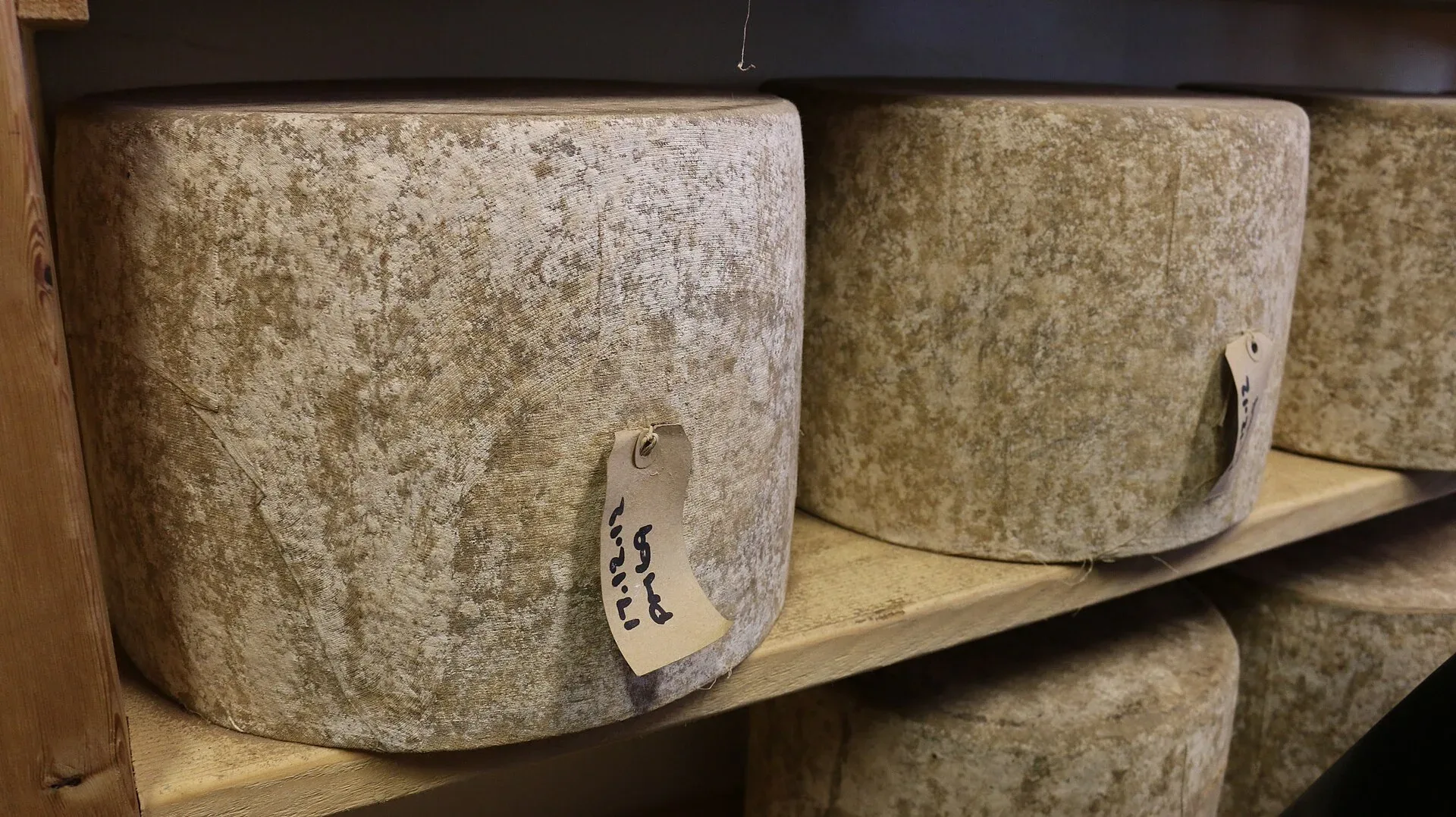
British food producers have broadly welcomed the UK's new deal with the EU to remove the vast majority of physical checks on food, plants and animal products, though many say they will stay cautious until it actually comes into force in March 2028.
The sanitary and phytosanitary (SPS) agreement, struck in Brussels this week, is expected to help Britain's food exporters. It should also let delicatessens and other small shops import European cheese and wine again, something that stopped making economic sense for many because of the cost of post-Brexit checks. That includes independent delis in Birmingham, which could find it easier to stock European produce again.
Sausages, seed potatoes and shellfish
The deal is designed to reopen the EU market to UK products including fresh sausages, burgers, seed potatoes and shellfish such as mussels and oysters.
Seed potatoes were left out of the original post-Brexit trade deal, halting exports to the EU. The Scottish seed potato industry was worth about £112m a year. Iain Barbour, operations director of the Scottish producer Jamieson Brothers, said his firm spent about £500,000 adapting, and that it would take at least three years to revive varieties now kept only in a seed bank.
"Nobody's going to believe this until it has actually physically happened," he said. "Varieties that had been going about 100 years were killed off in a couple of years. So we'll have to look at bringing them back."
"A huge win for us"
Shellfish producers also hope for a boost. Offshore Shellfish, a family business growing mussels on ropes in Lyme Bay, Devon, exports most of its crop to the Netherlands for processing, with much of it ending up in Belgian moules-frites. Under the deal, shellfish can be exported even if they do not come from waters with the highest quality rating, removing the risk that a temporary dip in water quality halts exports.
"That's a huge win for us because we've been pushing and pushing and pushing for that," said Sarah Holmyard, the firm's commercial director.
Cheaper, faster, less waste
Rich Clothier, managing director of the Somerset cheesemaker Wyke Farms, which sends about a quarter of its cheddar to the EU, said removing veterinary checks would be a significant benefit.
"The agreement will save a huge amount of cost and product waste as well, because these are perishable," he said. "Any reduction in friction saves cost, it makes business more efficient. But it is really frustrating that it's going to take so long because, to be honest, we're all pretty aligned anyway."
The catch
The deal will come too late for some. Three out of four mussel companies in the Menai Strait in north Wales stopped trading after exports became too difficult. And with sales of seed potatoes mostly made early in the year, Mr Barbour expects many growers to wait until 2029 before fully trading again.
Even so, the response from producers suggests that once the checks go, trade that has been lost or made much harder since Brexit has a real chance of coming back.
More in Economy
All


Latest news
Featured posts
-
Things to do
Top 10 places to visit in Birmingham
-
Food and drink
The 12 most popular food spots in Birmingham
-
Things to do
The best laser tag locations in Birmingham