
Two major solar farms approved, including 800MW Great North Road scheme
The government granted consent for the Great North Road Solar and Biodiversity Park and Frodsham Solar, both with battery storage.
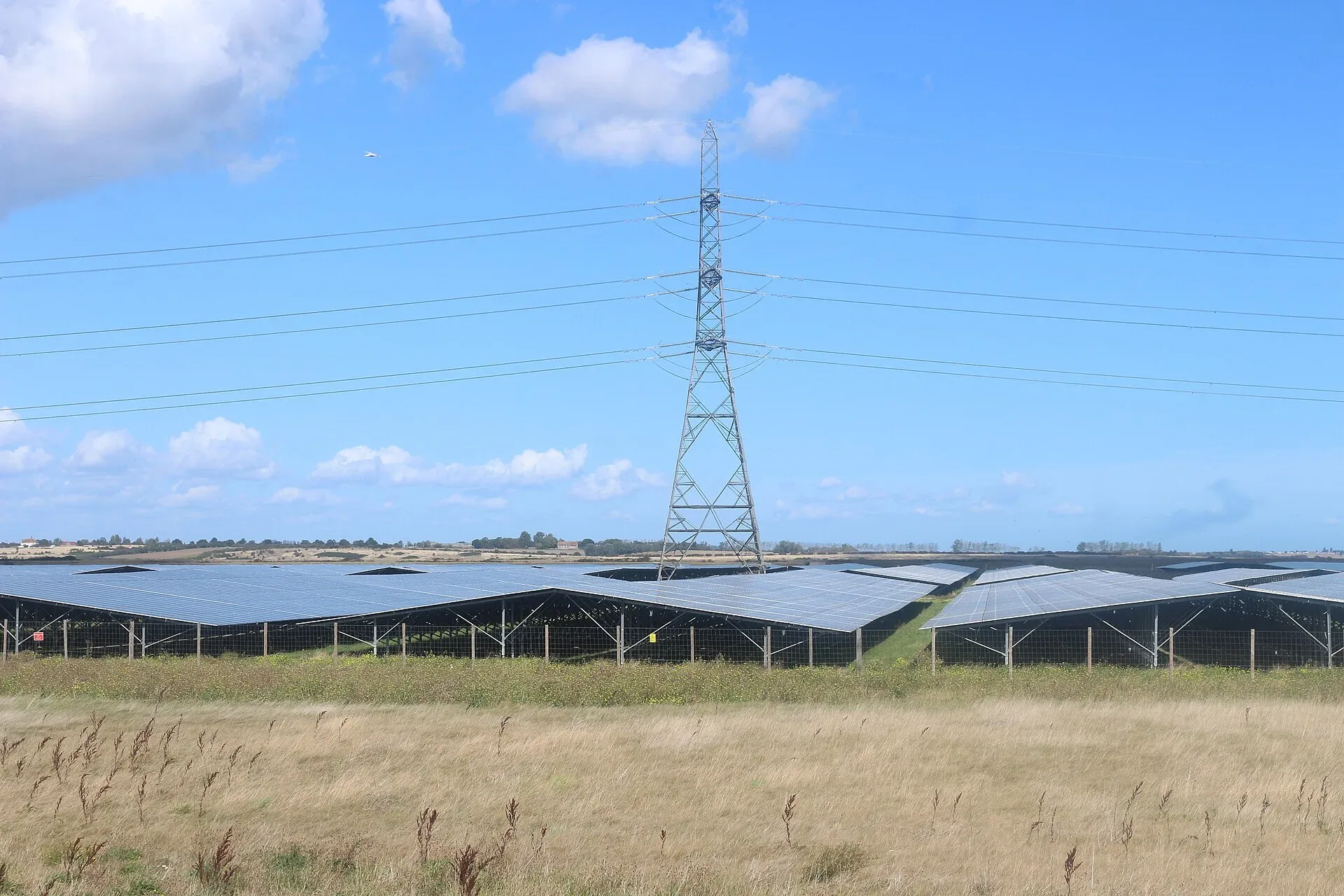
Two major solar farms were given the go-ahead by the government today, adding hundreds of megawatts of clean electricity to the country's plans.
The Department for Energy Security and Net Zero granted development consent for the Great North Road Solar and Biodiversity Park and for Frodsham Solar in Cheshire. Both decisions were made by Baroness Curran on behalf of the Energy Secretary.
800 megawatts and a biodiversity park
The Great North Road scheme is for a solar generating station with a battery energy storage system and a connection to the grid, with a maximum generating capacity of 800 megawatts.
The application was submitted by Elements Green Trent Limited in June 2025 and accepted for examination the following month. After a six-month examination, the Planning Inspectorate's Examining Authority sent its recommendation to the Secretary of State on 28 July this year.
Frodsham Solar
Frodsham Solar is for a solar array with a generating capacity of more than 50 megawatts. As well as the solar panels and their mounting frames, the scheme includes inverters, transformers, switchgear and control equipment, a substation, underground cabling on and off the site, and energy storage equipment. It was submitted by Frodsham Solar Ltd in May 2025, and the recommendation reached the Secretary of State on 29 July 2026.
How big projects are decided
Energy projects of this size are classed as nationally significant infrastructure, so they are decided by ministers rather than local councils, under the Planning Act 2008. The Planning Inspectorate examines each application over six months, hearing from local people, councils, statutory bodies and other interested parties before making a recommendation. In both cases, the Inspectorate said, the Examining Authority gave full consideration to all local views and the evidence gathered before advising the Secretary of State.
The Inspectorate said the two schemes were the 116th and 117th energy applications it has examined, out of 185 to date, and that both were completed within the legal timescale. The decisions, the recommendations and the evidence behind them are published on the National Infrastructure Planning website.
Why it matters
Battery storage alongside solar panels allows electricity generated on sunny days to be stored and released when it is needed, which helps balance a grid that is relying more and more on renewable power.
Large solar farms can divide opinion locally, which is why the examination process gives communities a chance to give evidence before any decision is made.
The approvals come less than two weeks before the UK heads to the COP31 climate summit in Antalya, where British energy companies will be showing off their work at the UK Pavilion. Each new solar farm with storage adds to the supply of home-grown electricity that powers homes and businesses across the country, including here in Birmingham.
More in Environment
All
Latest news
Featured posts
-
Things to do
Top 10 places to visit in Birmingham
-
Food and drink
The 12 most popular food spots in Birmingham
-
Things to do
The best laser tag locations in Birmingham