
Gene-editing treatment for sickle cell approved for children from age five
The MHRA has extended Casgevy, previously for over-12s, to younger children with severe sickle cell disease or beta thalassaemia.
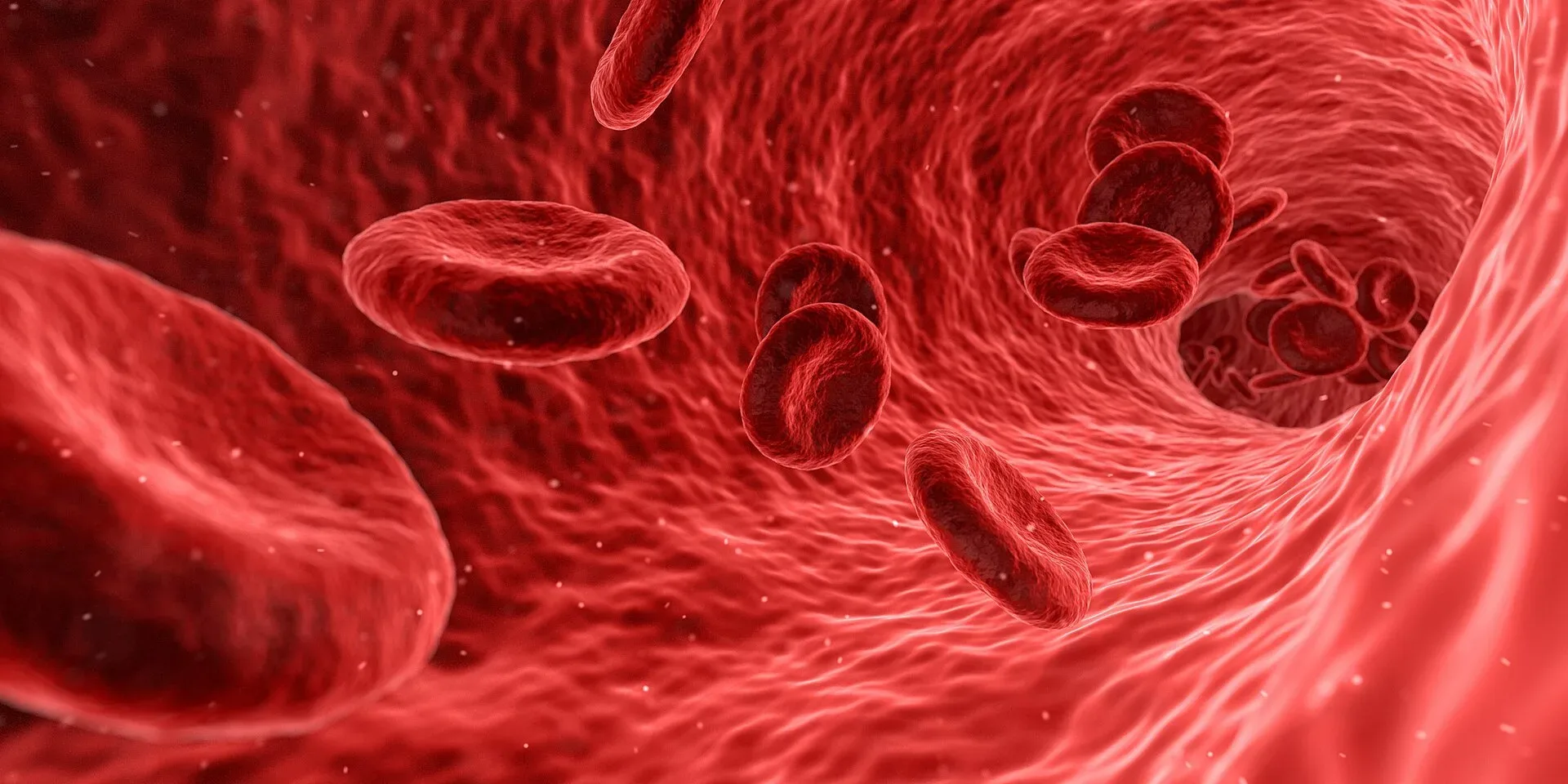
Children as young as five with severe sickle cell disease or transfusion-dependent beta thalassaemia can now be treated with a groundbreaking gene-editing therapy, after the UK medicines regulator extended its approval.
The Medicines and Healthcare products Regulatory Agency (MHRA) has approved an extension to the use of Casgevy (exagamglogene autotemcel). It was previously authorised in the UK for patients aged 12 and over.
Serious, lifelong conditions
Severe sickle cell disease and beta thalassaemia are genetic conditions caused by errors in the genes for haemoglobin, which red blood cells use to carry oxygen around the body.
In people with severe sickle cell disease, this can cause attacks of very severe pain, serious and life-threatening infections, and anaemia. People with beta thalassaemia can have severe anaemia and often need a blood transfusion every three to five weeks, as well as injections and medicines throughout their lives.
Around 15,000 people in the UK have sickle cell disorder. It is most common among people of African and Caribbean heritage, including many families in Birmingham.
How the treatment works
Casgevy works by editing a faulty gene in a patient's bone marrow stem cells so that the body produces working haemoglobin. The stem cells are collected from the patient, edited in a laboratory and then infused back into the body after conditioning treatment that prepares the bone marrow.
After the infusion, patients may need to stay in hospital while the treated cells settle into the bone marrow and begin producing healthy red blood cells. Side effects can include nausea, tiredness, fever and an increased risk of infection.
"Extending this treatment option to younger patients"
Julian Beach, MHRA Executive Director Operations, said: "Severe sickle cell disease and β-thalassemia are serious, lifelong conditions that in some cases can be fatal.
"This approval means this innovative gene-editing treatment can now be used in eligible children from the age of five, extending this treatment option to younger patients. It is based on careful assessment of the available evidence on the treatment's safety, quality and effectiveness.
"As with all medicines, we will continue to closely monitor the safety and effectiveness of Casgevy."
A landmark science
Casgevy was the world's first approved medicine to use CRISPR gene editing, the Nobel Prize-winning technique that allows scientists to make precise changes to DNA. The UK was the first country to approve it, in 2023.
The extension, granted on 29 October to Vertex Pharmaceuticals, means children could be treated years earlier, before the condition has done as much damage. For families who have spent years managing pain crises and hospital visits, it offers real hope.
More in Science
All


Latest news
Featured posts
-
Things to do
Top 10 places to visit in Birmingham
-
Food and drink
The 12 most popular food spots in Birmingham
-
Things to do
The best laser tag locations in Birmingham