
Attenborough-backed appeal secures the 9,500-acre Rothbury Estate for nature
More than 25,000 people helped The Wildlife Trusts raise £30 million to buy the Northumberland estate.
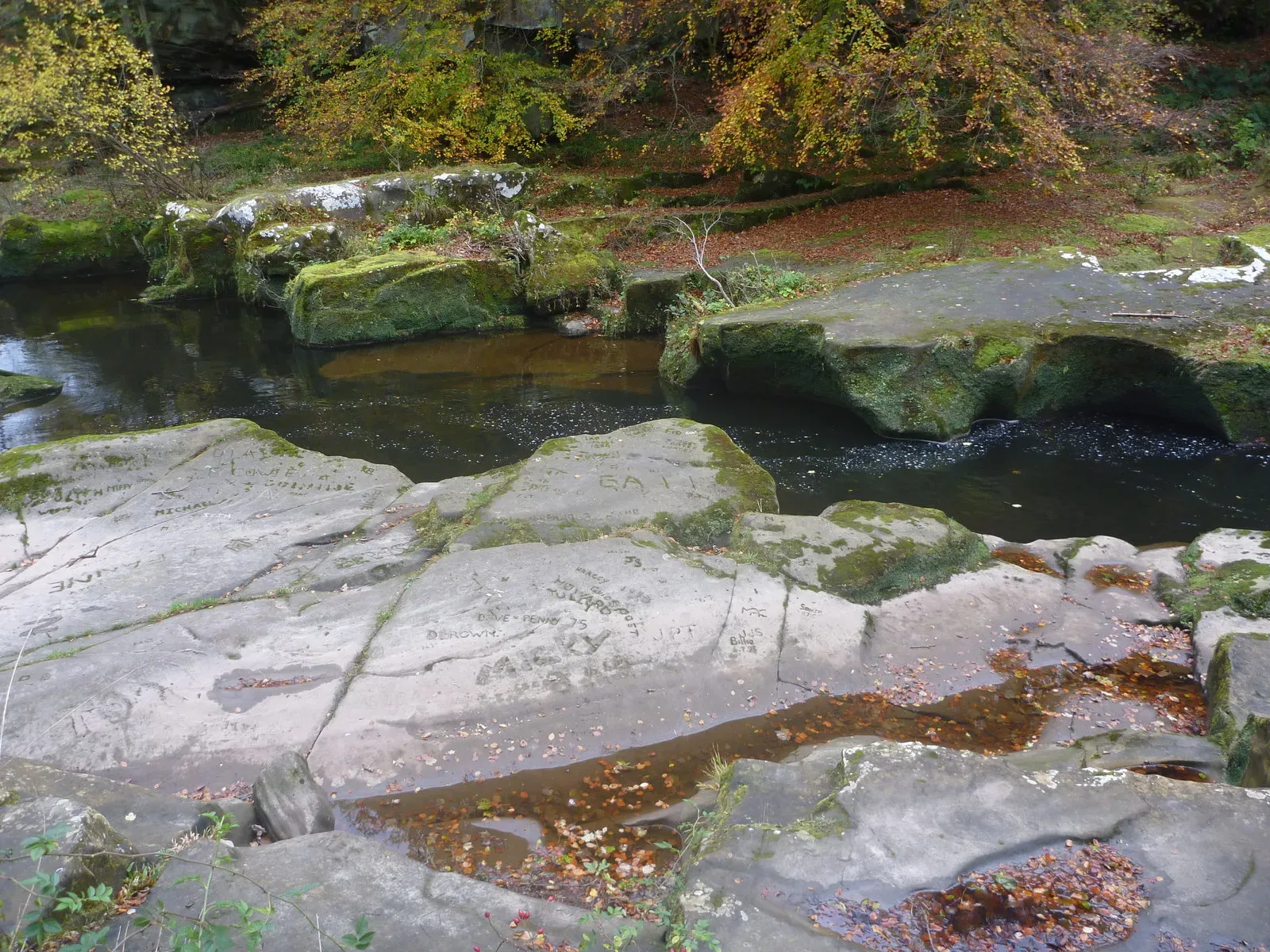
Conservationists have completed the purchase of the 9,500-acre Rothbury Estate in Northumberland, after a two-year, £30 million public appeal backed by Sir David Attenborough.
The Wildlife Trusts, a federation of 47 conservation charities that includes the Birmingham and Black Country Wildlife Trust, and Northumberland Wildlife Trust plan to "enhance the rich natural heritage" of the former grouse moor, woodland and farmland.
A rare chance
The estate had been in the Duke of Northumberland's family for about 700 years and was understood to be the largest area of land put up for sale in England in decades. The wildlife organisations feared public access could become more difficult if it was split between several owners.
They bought an initial tract in 2024, covering the Simonside Hills and a mix of lowland, woods, riverside and farmland, with a deal to buy the rest if they could raise £30 million in two years. The trusts have now taken out a low-interest loan to bridge the gap between pledges still to arrive and the target, ensuring the whole estate is bought.
25,000 donors
More than 25,000 people donated. Sir David's backing last year brought in more than £1 million from around the world in a week. Other major contributions included a £5 million grant from the National Lottery Heritage Fund, and this week Defra pledged £1.94 million.
Sir David described it as an opportunity "to create something very special for generations to come".
"This will be a place where nature, community, farming and heritage can combine to create something very special," he said.
Northumberland Wildlife Trust chief executive Mike Pratt said: "Opportunities of this scale and significance are incredibly rare. By securing this extraordinary landscape, we've the potential to create a flagship for nature recovery supported by sustainable farming whilst delivering lasting benefits for wildlife, local people and the rural economy."
Curlews, red squirrels and perhaps beavers
The estate is home to curlew, lapwing and other wading birds, mountain bumblebees, and endangered red squirrels in its woods. Salmon and threatened eels have been spotted in its rivers. The trusts hope pine martens, beavers and ancient breeds of cattle could become common sights, as part of a 40-mile "wild" corridor from the coast to Kielder and the Scottish border.
Not everyone is convinced
The plan has not been universally popular. Some local farmers called the purchase "a folly", and a local Conservative councillor criticised Defra's contribution at a time when farmers have struggled to secure funding. Nature Minister Jenny Riddell-Carpenter said the government was "stepping in to help" with a "once-in-a-generation opportunity".
For the thousands of supporters who gave to the appeal, it is a landmark win for nature.
More in Environment
All
Latest news
Featured posts
-
Things to do
Top 10 places to visit in Birmingham
-
Food and drink
The 12 most popular food spots in Birmingham
-
Things to do
The best laser tag locations in Birmingham