
Budget cuts the cost of charging at street-side electric car chargers
£100m from spring 2027 will lower prices at slower public chargers on residential streets, saving drivers about £150 a year.
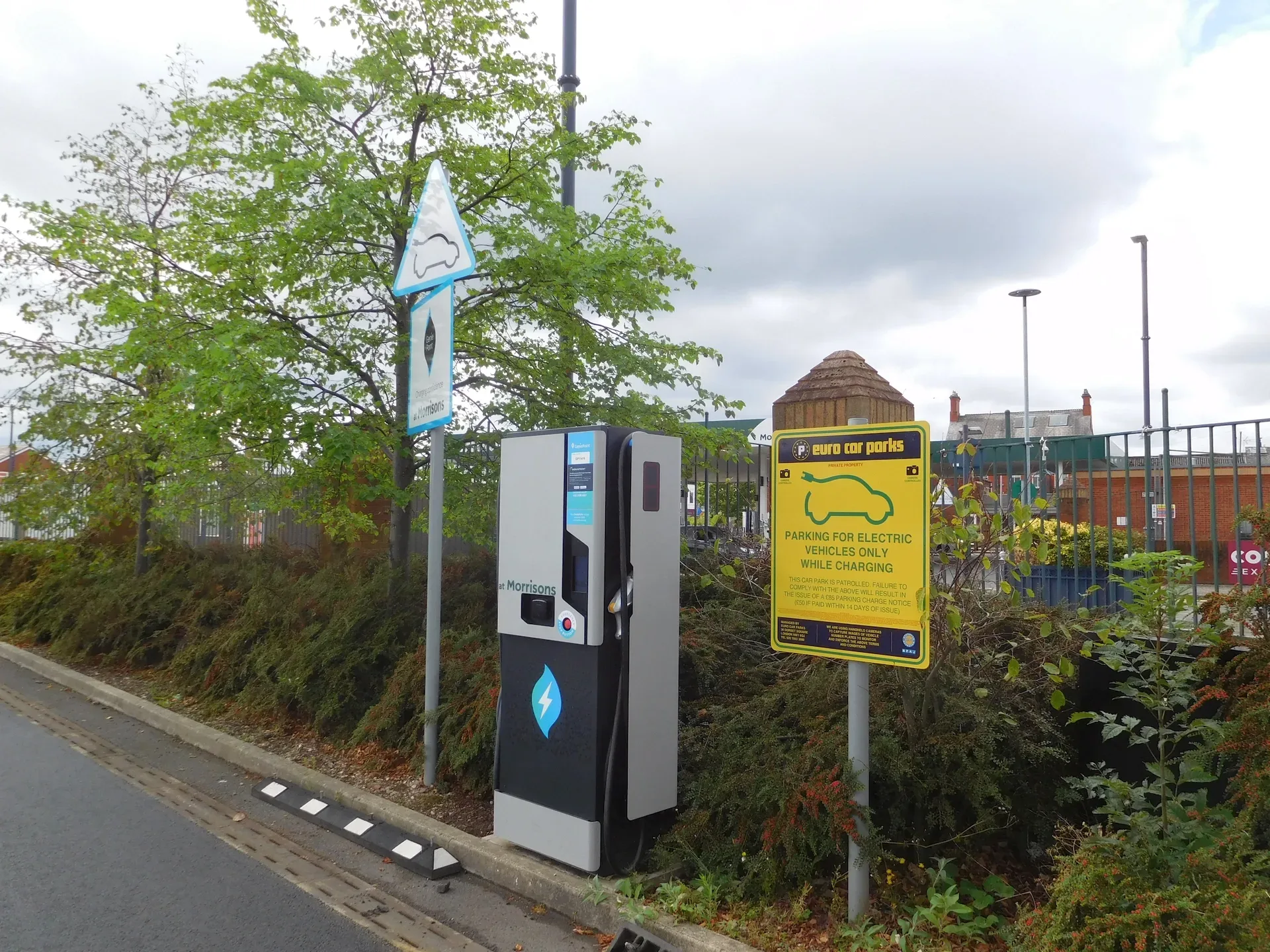
Electric car drivers who rely on charge points on residential streets will pay less to charge from next spring, after the Chancellor announced £100 million in today's Budget to cut prices at local, lower-powered public chargers.
The government says the move will save drivers who use these chargers about £150 a year on average. It is aimed at drivers who rely on public chargers near their homes.
Chargers on residential streets
The money, £100 million over two years from spring 2027, will cover the slower chargers typically found on residential streets, where drivers leave their cars for several hours or overnight. These make up around a third of the current public charging network.
Public charging prices have risen in recent years. An independent review into the cost of charging on the public network was announced at last year's Budget, and the government says higher public charging costs risk "slamming the brakes" on the switch to electric cars.
Using your home tariff on the street
The government is also taking forward one of the review's recommendations: an industry-led "tariff porting" taskforce to explore letting drivers use their cheaper home energy tariff at certain public chargers. The Department for Transport will set out more details later.
More drivers going electric
Electric car sales are up 36 per cent on last year, the government says. More than 190,000 drivers have saved up to £3,750 on a new electric car through the Electric Car Grant, part of £7.5 billion the government is investing in the switch to electric vehicles up to 2035.
There are now more than 124,000 public charge points in the UK, up 7.4 per cent in a year. The government has also committed £480 million through its Local EV Infrastructure fund to help councils and charge point operators install more than 100,000 more chargers.
Why it matters for Birmingham
For residents without a driveway, a charge point on the street can be the only practical way to run an electric car. Cheaper charging at those points narrows the gap with people who can plug in at home overnight.
The government says electric cars can save drivers up to £1,750 a year compared with petrol or diesel, while making towns and cities cleaner and quieter. "Volatile fuel costs show why we must move away from fossil fuels to cleaner, homegrown energy," the Treasury said.
Greener homes too
The Budget also confirmed a new Warm Homes loans scheme, offering low-interest and interest-free finance so households can spread the upfront cost of solar panels, batteries and heat pumps. The government says together they could cut bills by up to £550 a year.
More in Environment
All

Latest news
Featured posts
-
Things to do
Top 10 places to visit in Birmingham
-
Food and drink
The 12 most popular food spots in Birmingham
-
Things to do
The best laser tag locations in Birmingham