

Somerset orchard of 458 rescued apple varieties is finding the cider trees that can survive a changing climate
Thatchers' trial orchard, wildflower strips and sheep-grazed soil are helping apple growers cope with drought, warm winters and pests while using fewer chemicals.
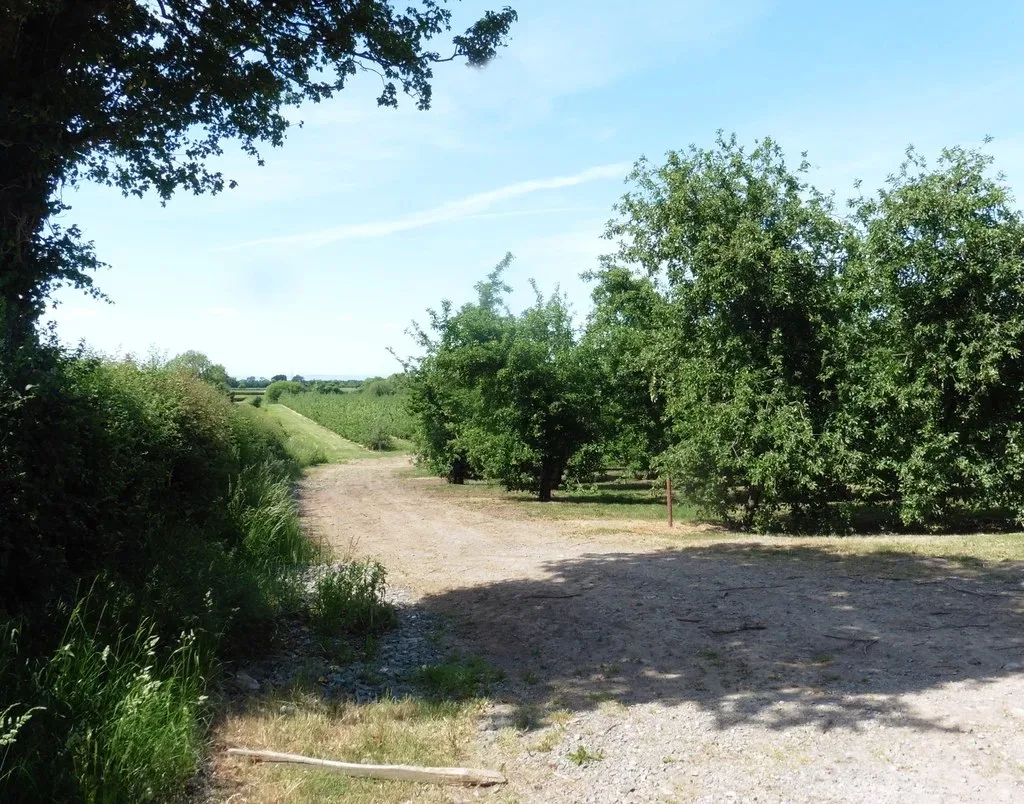
An experimental orchard of 3,800 apple trees in Somerset, grown from varieties rescued from a closing government research station nearly 30 years ago, is helping one of Britain's best-known cider makers find apples that can cope with a changing climate.
Thatchers Cider, at Myrtle Farm, had the earliest harvest in its 122-year history this year, after a wet winter followed by a long summer drought. In its trial orchard, each row of 100 trees is a different variety, and how each one coped is now being analysed in work that could shape apple growing, and the taste of cider, for decades, the Guardian reported.
458 varieties saved
The trials exist because managing director Martin Thatcher's father, John Thatcher, took cuttings of all 458 cider apple varieties grown at the Long Ashton research station before it closed. Long Ashton was a government-funded horticultural and agricultural research centre founded in 1903.
"Somerset is the best county in the world for making cider. But the climate is changing. It has been changing for a long time. We need to be in a position where we've got the experience, the knowledge and the trees in place to deal with those changes," Mr Thatcher said.
Change is slow. "Each apple tree takes seven years to get to a fruit crop and could last 40 years," he said. The company is looking for trees that resist pests and disease naturally, so it can use fewer pesticides, that blossom just when conditions suit bumblebees and honeybees, and that need less winter chill. "That winter chill is really important - and last year, we probably didn't have quite enough."
Orchard manager Chris Muntz Torres said jonagold, a cross between golden delicious and jonathan, did particularly well this year. "That's what we want - a variety that, irrespective of the weather, is robust enough to grow."
Wildflowers, sheep and thirsty roots
Myrtle Farm has also planted wildflower strips to attract insects that prey on pests such as the rosy apple aphid, a strategy research suggests could save growers up to £3,000 a hectare a year while supporting native pollinators. Nigel Jenner, head of agronomy for tree fruit at AM Fresh UK, said about 220 independent growers, roughly 70% of those he works with, have planted wildflower strips in the past five years. "We know this is the way forward," he said. "It works and it has a meaningful effect on your chemical input and your spray bill."
Growers are also letting the top 65mm of soil dry out to encourage deeper roots and reduce the need for irrigation, measuring the water in the ground with neutron probes.
Before new orchards are planted, Thatchers sows herbal leys of grasses, legumes and deep-rooted herbs such as chicory, and grazes sheep on them. Mr Thatcher said fields that had grown cereals or maize improved by at least 20% on every soil measure that matters for apples within three years.
The 14,000 young trees planted in that regenerated soil in March 2025 have a survival rate above 99.9% through two very dry years. "Any moisture that we do get, the organic matter in the soil holds it there and keeps the soil more healthy," Mr Muntz Torres said. "It acts like a sponge."
More in Environment
All
Latest news
Featured posts
-
Things to do
Top 10 places to visit in Birmingham
-
Food and drink
The 12 most popular food spots in Birmingham
-
Things to do
The best laser tag locations in Birmingham