

Red light cameras to return to Birmingham's roads, with more average speed cameras on the way
Drivers who jump red lights face three points and a £100 fine, as police and partners aim to halve road deaths and serious injuries by 2030.
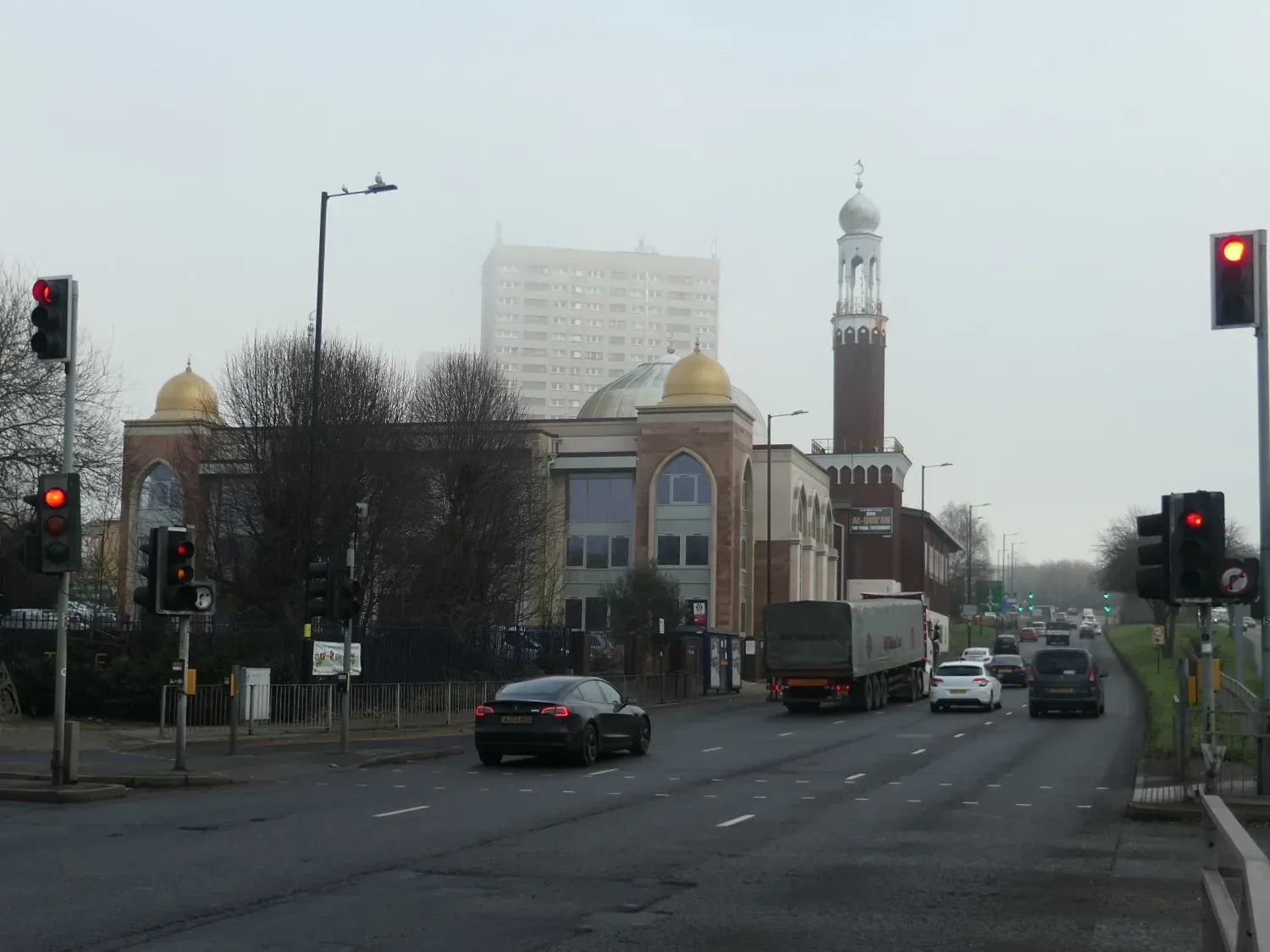
Red light cameras are set to return to Birmingham's roads this financial year, as police and partners step up efforts to cut deaths and serious injuries in crashes, alongside a bigger network of average speed cameras.
Police and council leaders have wanted to bring back red light cameras on some of the city's most dangerous routes for some time. A new road safety report from the force confirms that "this financial year will see the re-introduction of red-light running cameras".
The report says final details have not yet been settled. "Work is on-going to establish a robust evidence base to determine how this will be operated," it says, and no locations have been confirmed. Belgrave Middleway, a known speeding hotspot, was previously identified as a top target for cameras.
What it means for drivers
Drivers caught running a red light by the cameras could face three penalty points and a £100 fine. Red light running is often seen when lights change from amber, as drivers try to get through before they turn red.
The simple message is that amber means stop, unless it is unsafe to do so, and red always means stop.
More average speed cameras too
The report also sets a priority to "significantly grow the average speed enforcement camera network and the back-office capability alongside that to match demand", building on a fall in road deaths.
Police and Crime Commissioner Simon Foster said: "To turn the tide and achieve our shared goal of halving road deaths and serious injuries by 2030, as a partnership we must maintain constant and unremitting action."
"That is why we are targeting the 'Fatal 4' offences, prioritising expanding our average speed camera network and lobbying the Government to allow us to retain road safety related fixed penalty fine revenue," he said, so that it could be reinvested "back into making our roads safer for everyone".
The 'Fatal 4'
The "Fatal 4" are the driving offences most often linked to deaths and serious injuries: speeding, drink and drug driving, not wearing a seatbelt, and using a mobile phone at the wheel.
Part of a wider push
The cameras are part of a wider drive to make Birmingham's roads safer. Earlier this month, during Road Safety Week, the force reported that road deaths were down and that reports of street racing had halved, as police doubled their action against dangerous driving.
For pedestrians and cyclists crossing at busy junctions, the return of red light cameras should mean fewer drivers taking a chance at the lights.
More in Transport
All
Latest news
Featured posts
-
Things to do
Top 10 places to visit in Birmingham
-
Food and drink
The 12 most popular food spots in Birmingham
-
Things to do
The best laser tag locations in Birmingham