

Race to replant five centuries-old baobabs rescued from export to Georgia
Five baobabs, dug up illegally and stranded in Durban since July, have reached a reserve in Timbavati, where conservationists hope to replant them before spring growth.
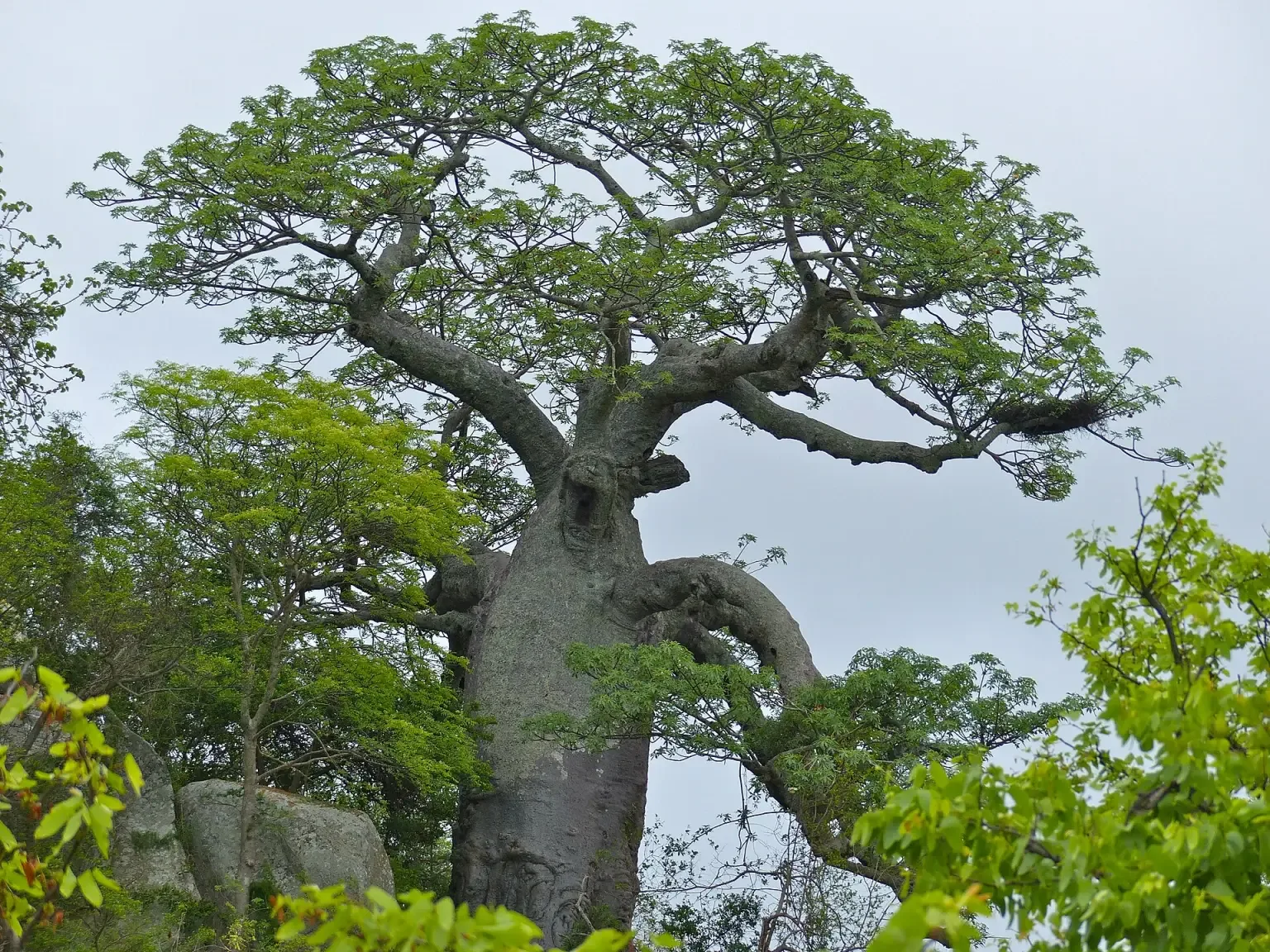
Five baobab trees, each centuries old, that were dug up in South Africa and destined for a buyer in Georgia have arrived at a nature reserve, where conservationists are racing to replant them before their spring growth begins.
The 20-tonne trees reached a reserve in Timbavati, in north-eastern South Africa, on Wednesday, where they will be replanted and held upright with cables while they recover, the Guardian reported. They had been stranded in a warehouse in Durban since July, when the authorities intercepted them on the grounds that they had been moved without the necessary permissions.
Bound for Georgia
South Africa's department of forestry, fisheries and the environment confirmed the trees had been destined for Georgia, but did not name the buyer. A criminal case has been opened against the owner of a landscaping company allegedly responsible for illegally harvesting and transporting them.
Experts say such exports are very rare. David Newton, programme office director for east and southern Africa at Traffic, an organisation that monitors the trade in wild animals and plants, said: "It is very unusual to see baobabs being used as ornamental plants … mainly because they are exceptionally difficult to dig out of the ground and transport, and then to successfully re-establish."
A race against spring
Sarah Venter, founder of the Baobab Foundation, who has led the effort to replant the trees, believes they have a good chance of surviving if they go back into the ground quickly. The southern winter, from May to October, when baobabs lose their leaves and lie dormant, is a good time to move them, but the clock is now ticking.
"As soon as spring starts [in November], the trees use their water to flush their new leaves, and that's when we need to get them into the ground as soon as possible," she said.
The rescue has been slowed by the sheer size of the trees, which weigh between 19 and 29 tonnes, measure up to 4.5 metres across and stand up to 12.5 metres tall, and have to travel on special trucks built for abnormal loads.
Baobabs have shallow roots that do not need to be planted very deeply and regrow fairly quickly, Ms Venter said. Once in the ground, the trees will be stabilised with cables and protected by electric fences to keep elephants from damaging them.
"An ecosystem in itself"
Known as the tree of life, baobabs are protected under South African law, and a permit is needed to cut or disturb one. Bats, bush babies, grey-headed parrots and southern ground hornbills shelter in their hollows, while elephants, monkeys and warthogs feed on the fruit.
"A baobab isn't just part of an ecosystem, it is an ecosystem in itself," said Wambui Ippolito, a Kenyan landscape designer, lecturer and horticulturist. "These trees are biodiversity anchors."
The five trees are thought to be between 200 and 300 years old, which is young for a baobab. "Baobabs easily reach 1,000 years old, so they've got a few hundred years ahead of them if they survive," said Ms Venter.
More in World
All
Latest news
Featured posts
-
Things to do
Top 10 places to visit in Birmingham
-
Food and drink
The 12 most popular food spots in Birmingham
-
Things to do
The best laser tag locations in Birmingham