

NASA's Swift telescope comes home after 22 years chasing the universe's biggest explosions
Built for a two-year mission, the gamma-ray observatory re-entered the atmosphere over Indonesia on 4 November.
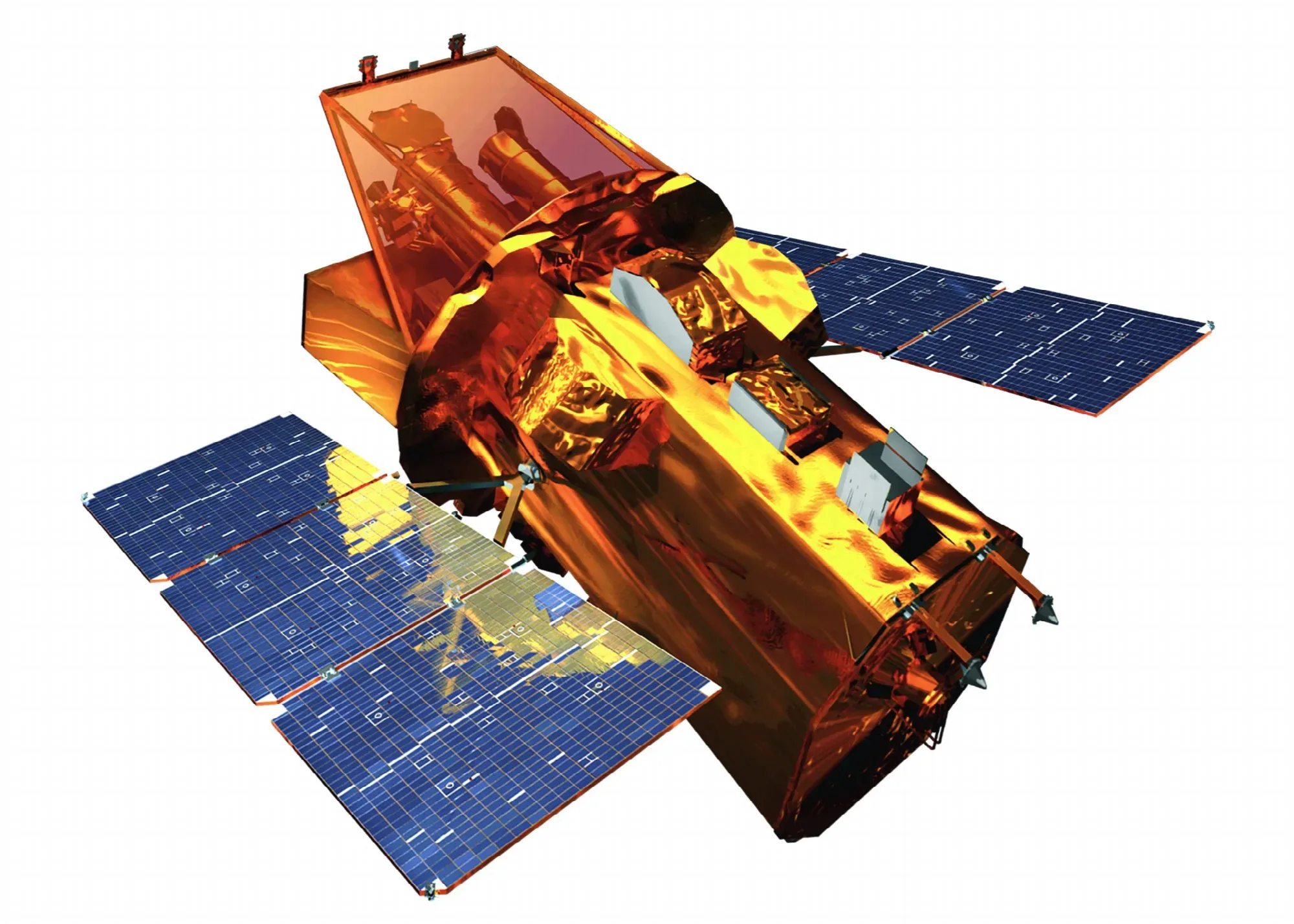
NASA's Neil Gehrels Swift Observatory, a space telescope that spent almost 22 years catching the most powerful explosions in the universe, has come to the end of its journey, re-entering Earth's atmosphere on Wednesday 4 November.
The US Space Force confirmed that Swift re-entered at 7.39am Eastern time (12.39pm in the UK) over the North Sumatra region of Indonesia. NASA expected most of the spacecraft to burn up, although some parts may have survived.
Built for two years, lasted 22
Swift was launched in 2004 to study gamma-ray bursts, enormous blasts of energy thought to come from the deaths of massive stars and the mergers of dense stellar remnants. It was designed for a two-year prime mission.
Instead, it worked for more than two decades. NASA describes Swift as "a multi-tool for exploring the universe": it could observe a wide range of light with its three telescopes, swing quickly to point at short-lived outbursts, and send alerts to other observatories so they could follow up.
Over its lifetime, Swift broadened scientists' understanding of everything from active galaxies powered by supermassive black holes and flaring stars to supernova explosions, and comets and asteroids in our own solar system.
Why it came down
All satellites in low Earth orbit feel a little drag from the thin upper atmosphere. Recent solar activity increased that drag on Swift, and it began to sink rapidly. A high-risk, fast-turnaround servicing mission to boost its orbit ended in August without an attempt being made.
Swift then went back to science, observing hundreds of targets, from the remnants of exploded stars to distant black holes and comets. On 20 October it reached an altitude of 171 miles (275km), could no longer cope with the drag, and entered safe mode. The operations team at Penn State then sent a final command that ended its operations, ready for re-entry.
A British connection
Swift was an international mission, and the UK played a significant part. Two of its three telescopes had major British involvement: the University of Leicester contributed to the X-ray Telescope, and University College London's Mullard Space Science Laboratory to the Ultraviolet and Optical Telescope. British astronomers used its data throughout its life.
A legacy in the data
NASA says Swift leaves behind "a legacy of innovation and a treasure trove of science observations". Its public archive of observations will remain available to astronomers around the world, including in the UK, for years to come.
For a spacecraft built to last two years, it was quite a run.
More in Science
All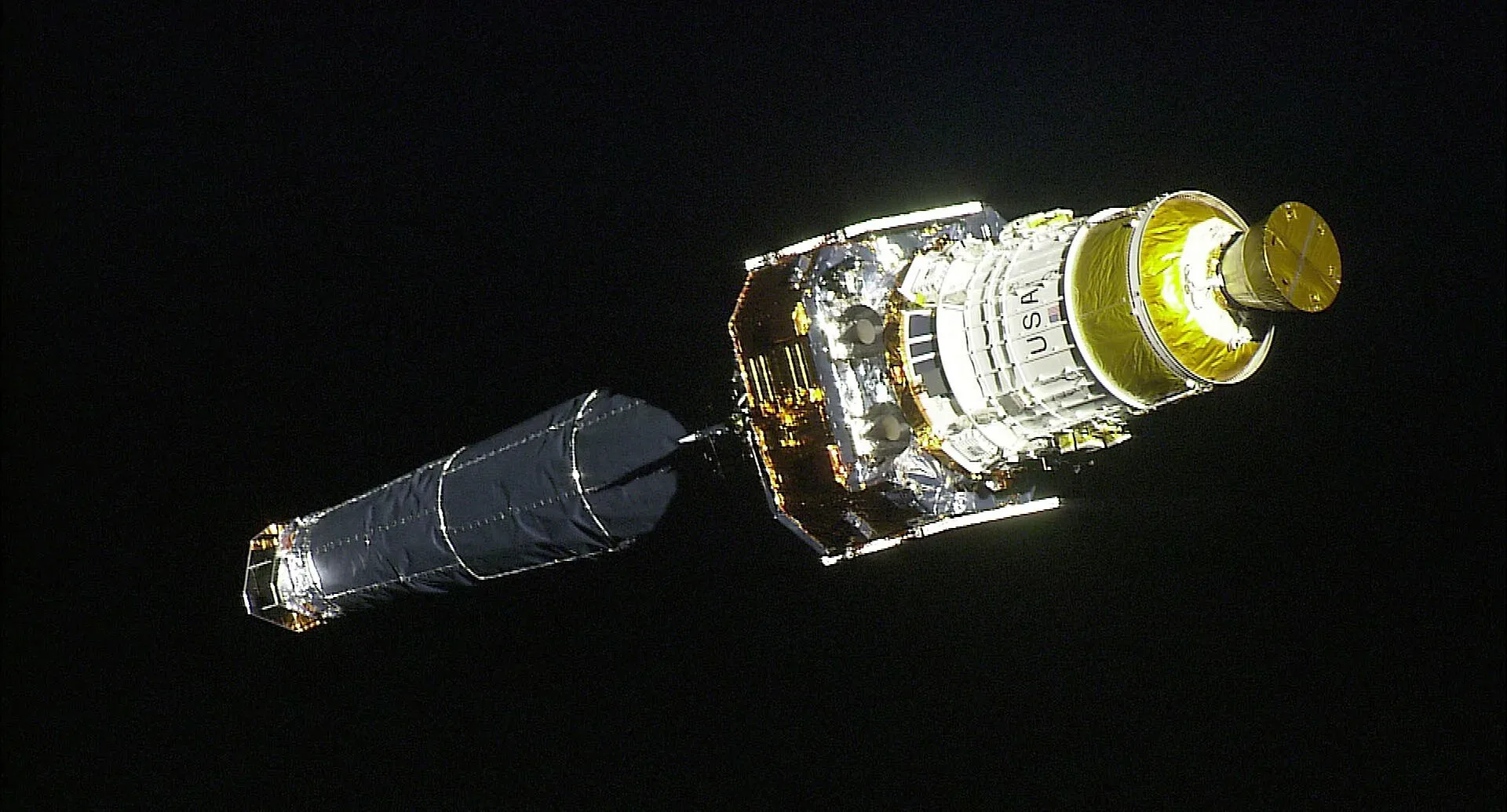
Latest news
Featured posts
-
Things to do
Top 10 places to visit in Birmingham
-
Food and drink
The 12 most popular food spots in Birmingham
-
Things to do
The best laser tag locations in Birmingham