

12,000 pieces of medieval glass saved from Coventry's bombed cathedral can now be seen on a free app
The 15th century fragments, thought to be by master glazier John Thornton, have been digitised as part of the cathedral's Building Hope project.
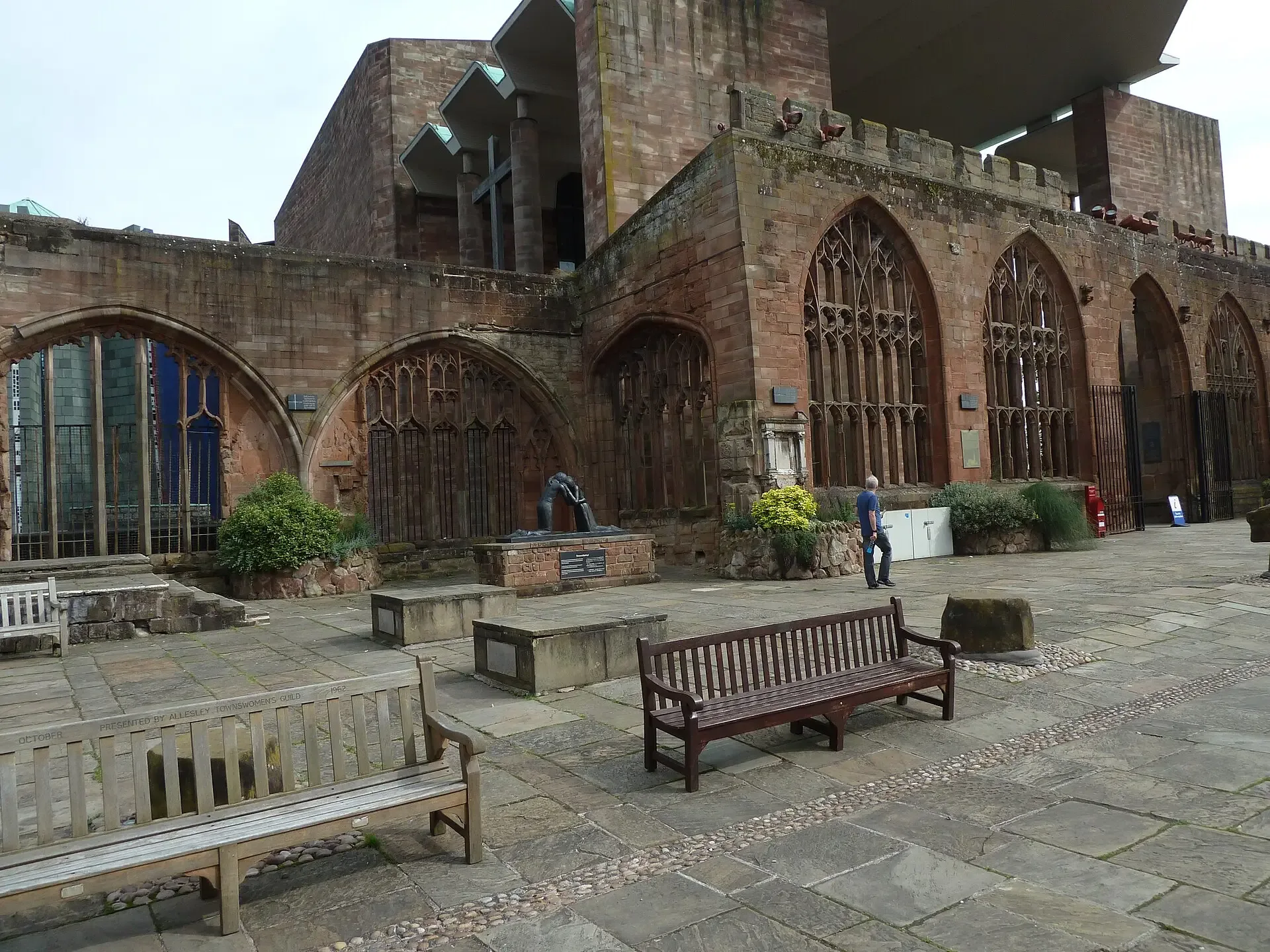
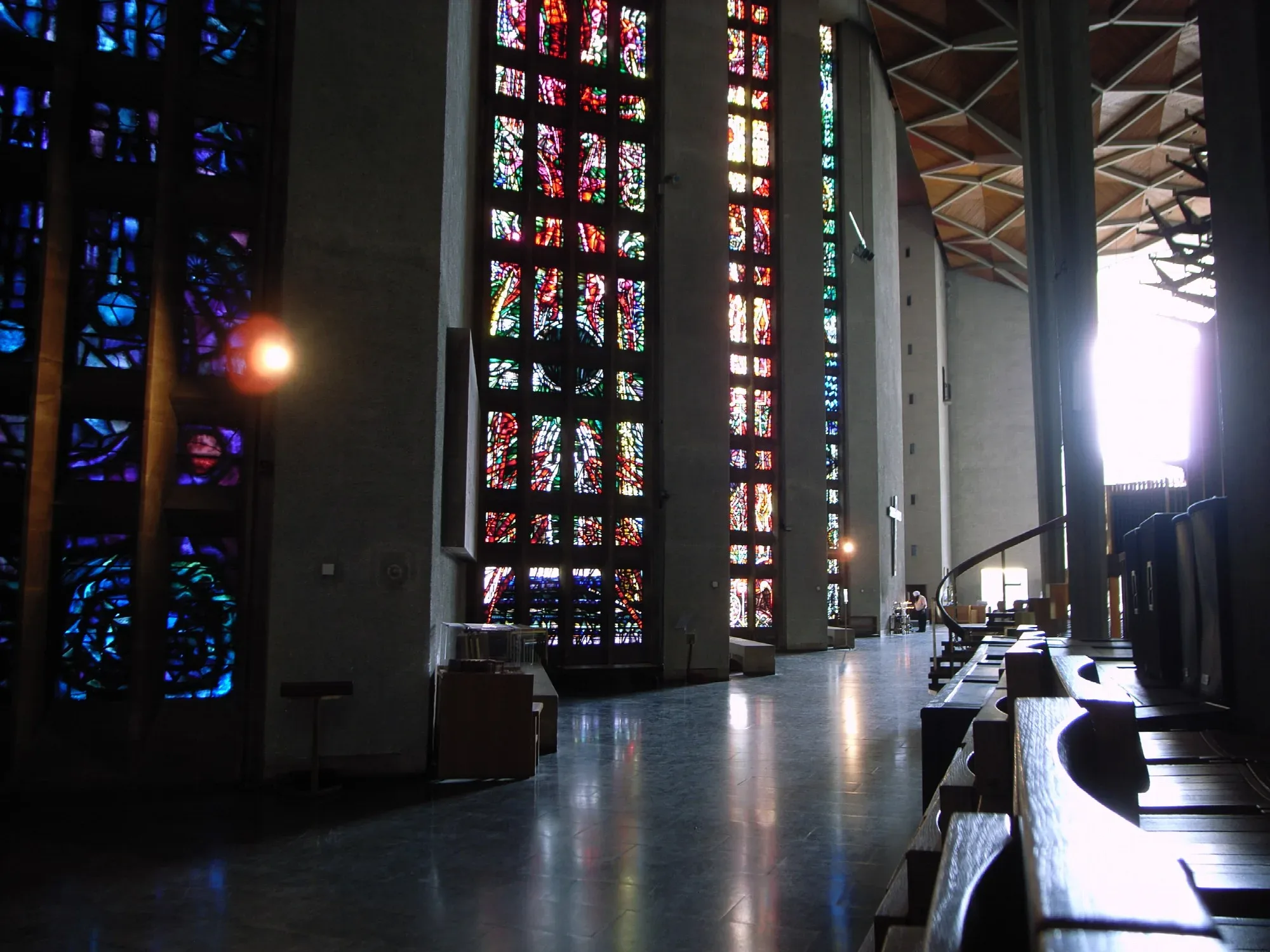
Around 12,000 fragments of rare medieval stained glass, rescued from the ruins of Coventry's cathedral after the Blitz, can now be explored by anyone with a smartphone, after the collection was digitised and published on a free app.
The glass is thought to be the work of John Thornton, one of the most important glaziers of the 15th century, and represents an internationally significant collection of medieval religious stained glass, BBC News reported on 10 November.
Saved from the ruins
The fragments came from the windows of St Michael's, Coventry's medieval cathedral, which was destroyed in the German bombing of the city in November 1940. It was the only cathedral in the UK destroyed during the Second World War, and its ruins still stand beside the modern cathedral.
After the raid, the surviving glass was collected and stored in 30 wooden crates at the rectory in Hampton Lucy, near Stratford-upon-Avon, where it stayed until 1957.
Thornton, a glass painter and glazier from Coventry, is recognised as one of the finest of his time. As well as painting windows for the cathedral in his home city, he worked on the Great East Window of York Minster.
"A glimpse into the lives of the people in the 15th century"
Reverend Canon Nitano Muller, from the cathedral, said: "It gives us a glimpse into the lives of the people in the 15th century, about 12,000 pieces of glass that we have, perhaps the largest in Britain at the moment."
The glass shows scenes of the Passion of Christ, as well as apostles and saints, ranging from tiny fragments to larger shards. The digitisation was carried out when the collection was moved into new storage cabinets, with every tray photographed and the images uploaded.
"So much of our story, of course is embedded in our building. The glass would have been a part of the first cathedral that stood there," Canon Muller said. "And it's an incredible part of who we are."
A story of resilience
The cathedral worked with the World Monuments Fund on the project, which is part of its wider Building Hope programme to preserve the old cathedral for future generations.
Emma Sweeney, project manager at the fund, said the glass was "a remarkable survivor". "The Cathedral's enduring role as a symbol of peace and reconciliation reflects WMF's belief in the role of heritage to support post-conflict recovery," she said. "Together, the ruins and the surviving glass tell a powerful story of resilience, with much still to be uncovered."
How to see it
The collection can be viewed for free on the Bloomberg Connects app. In the longer term, the cathedral hopes to open a visitor centre where the glass can be displayed for the public and studied by scholars.
"It's an untapped source of research at the minute," Canon Muller said. For anyone in Birmingham with an interest in history or art, the cathedral ruins, half an hour away by train, are well worth a visit, and the glass can now be explored from home first.
More in Arts and Culture
All
Latest news
Featured posts
-
Things to do
Top 10 places to visit in Birmingham
-
Food and drink
The 12 most popular food spots in Birmingham
-
Things to do
The best laser tag locations in Birmingham