

Meteor showers, Mars meets Jupiter and a supermoon: November's night sky
The Southern Taurids peak around Bonfire Night, the Leonids follow on 17 and 18 November, and a supermoon rises on the 24th.

Bonfire Night is not the only show in the sky this month. November brings two meteor showers, a close meeting of Mars and Jupiter and a supermoon, and the first shower peaks around tonight.
Here is NASA's guide to the month's highlights, and how to make the most of them from Birmingham.
Around 5 November: the Southern Taurids
The Southern Taurids peak around 5 November, followed by the Northern Taurids around 12 November. Both appear to come from the constellation Taurus.
Each produces only a handful of meteors an hour, around five under ideal conditions, but NASA says "an occasional bright fireball can make the wait worthwhile". The Taurids are known for slow, bright fireballs, so if you are outside for the fireworks tonight, keep an eye out for a natural one too.
15 and 16 November: Mars meets Jupiter
On the mornings of 15 and 16 November, look south-east before sunrise to see Mars and Jupiter just 1.2 degrees apart, about the width of your little finger held at arm's length. Jupiter will be the brighter of the two, with Mars a fainter, reddish point beside it.
17 and 18 November: the Leonids
The Leonids are best seen in the early hours of 17 and 18 November, after the Moon has set. Under ideal conditions the shower could produce around 15 meteors an hour, though NASA says most people will see fewer.
24 November: a supermoon
The month ends with a full supermoon on 24 November, when the full Moon is close to its nearest point to Earth and looks slightly bigger and brighter than usual. It is the first of a series of three supermoons in a row.
A light-day away
NASA also notes a remarkable milestone this month: the Voyager 1 spacecraft, launched in 1977, is reaching a distance of one light-day from Earth, meaning its signals take a whole day to reach us.
Tips for watching in Birmingham
City lights make faint meteors harder to see, so the further you can get from streetlights the better. Parks on the edge of the city, such as the Lickey Hills or Sutton Park, offer darker skies. Give your eyes 20 to 30 minutes to adjust to the dark, avoid looking at your phone, and lie back to take in as much sky as possible. You do not need a telescope: meteors are best seen with the naked eye.
Above all, wrap up warm. November nights can be cold, and the Met Office says clear spells could bring fog and a touch of frost. With a bit of luck and a clear sky, it should be well worth it.
More in Science
All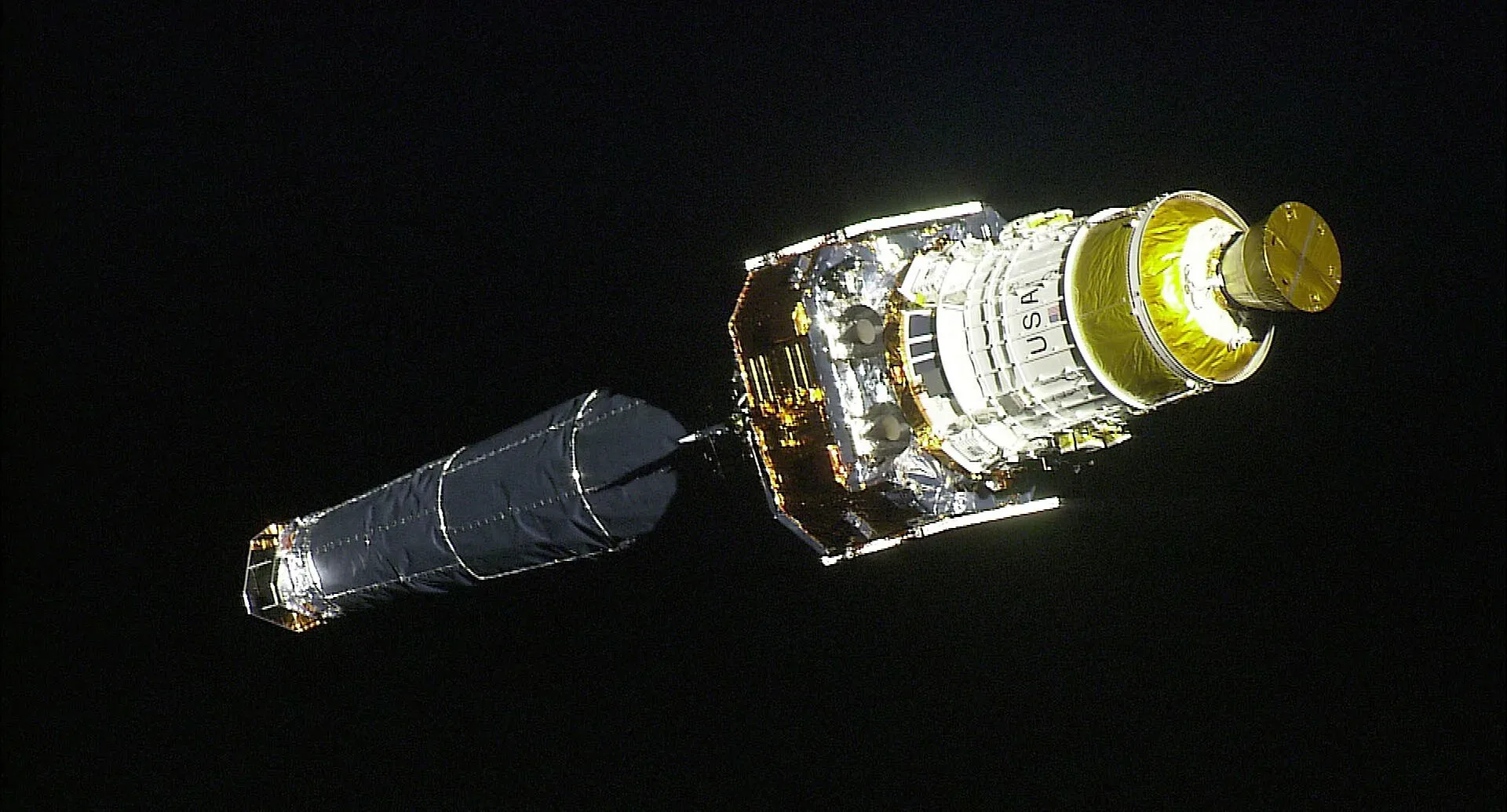
Latest news
Featured posts
-
Things to do
Top 10 places to visit in Birmingham
-
Food and drink
The 12 most popular food spots in Birmingham
-
Things to do
The best laser tag locations in Birmingham