

Long-lost Chevalier painting bought for £20 in a charity shop could fetch £20,000
Cape Schanck, Victoria, painted in the open air in 1862 and missing for 160 years, was found in a Maidenhead charity shop and goes to auction on 9 December.
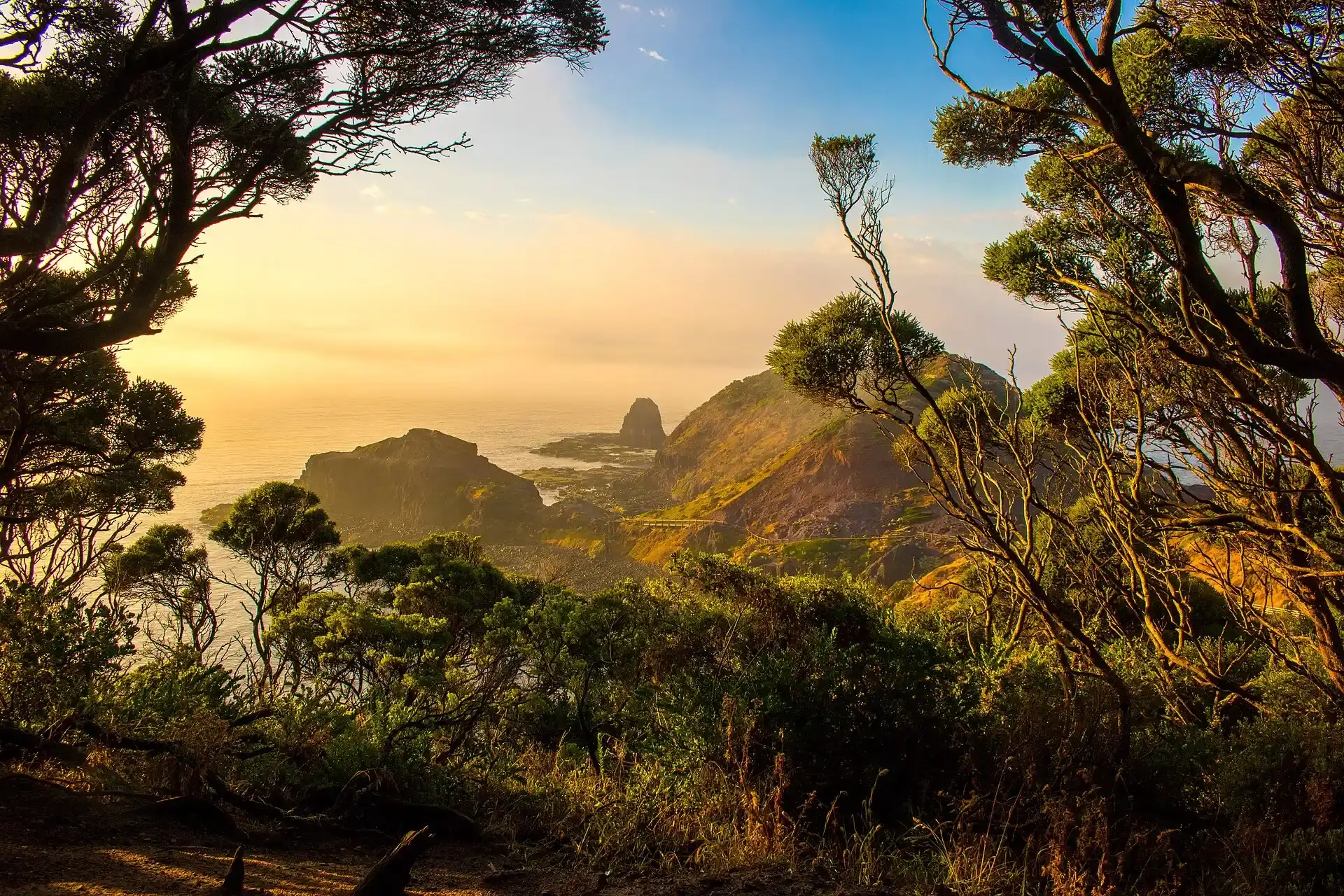
A painting bought for £20 in a charity shop has turned out to be a long-lost work by the 19th Century artist Nicholas Chevalier, missing for 160 years, and it could now fetch up to £20,000 at auction.
Cape Schanck, Victoria, an oil painting from 1862, was found in a charity shop in Maidenhead, Berkshire. The buyer liked the landscape but did not know who had painted it or what it might be worth.
"An extraordinary find"
The painting was brought to Adrian Biddell at Olympia Auctions in London, who established that it was the missing Chevalier.
"To find it now, quite unexpectedly, in a corner of the British high street, is an extraordinary find," he said. "The discovery of Cape Schanck, Victoria is hugely exciting."
Mr Biddell said Chevalier "was a remarkable visual talent, with an extraordinary ability to capture the drama, power and sheer scale of the natural world".
Painted on the spot
The picture shows the rugged coastline at the southernmost tip of Australia's Mornington Peninsula, about 60 miles south of Melbourne. Chevalier painted five views of Cape Schanck that year en plein air, meaning in the open air, directly in front of the scene. Until now only two of them were known to survive, and both are in the collection of the Art Gallery of New South Wales in Sydney.
The leading expert on the artist, Simon Gregg, confirmed that his catalogue of Chevalier's work had recorded the painting's whereabouts as "unknown".
"This was definitely painted en plein air," he said. "This was Chevalier's typical modus operandi. Most of the oil sketches have not survived, hence my delight that this one has shown up."
The auction house said the find "resolves a longstanding gap in the documented history of Chevalier's work".
Who was Nicholas Chevalier?
Chevalier, a Russian-Swiss artist who lived from 1828 to 1902, made his name painting the landscapes of Australia and New Zealand in the mid-19th Century. He later settled in London, where he painted royal occasions for Queen Victoria, and several of those works are now in the Royal Collection.
His Australian works include The Buffalo Ranges, painted in 1864, while his New Zealand scenes include views of Cook Strait and Mount Earnslaw. The small oil sketches he made outdoors were quick studies, and as Mr Gregg says, most of them have not survived.
Going under the hammer
The painting will be sold on 9 December. The estimate of up to £20,000 would make it a return of up to a thousand times the £20 it cost in the shop.
It is a reminder that charity shops still hold surprises, and that a picture bought simply because someone liked it can sometimes turn out to have a remarkable story behind it.
More in Arts and Culture
All
Latest news
Featured posts
-
Things to do
Top 10 places to visit in Birmingham
-
Food and drink
The 12 most popular food spots in Birmingham
-
Things to do
The best laser tag locations in Birmingham