

Leonid meteor shower begins, with the fastest meteors of the year peaking on 17 November
Up to 15 meteors an hour are possible at the peak, and a moonless sky around midnight should give good views from dark spots.
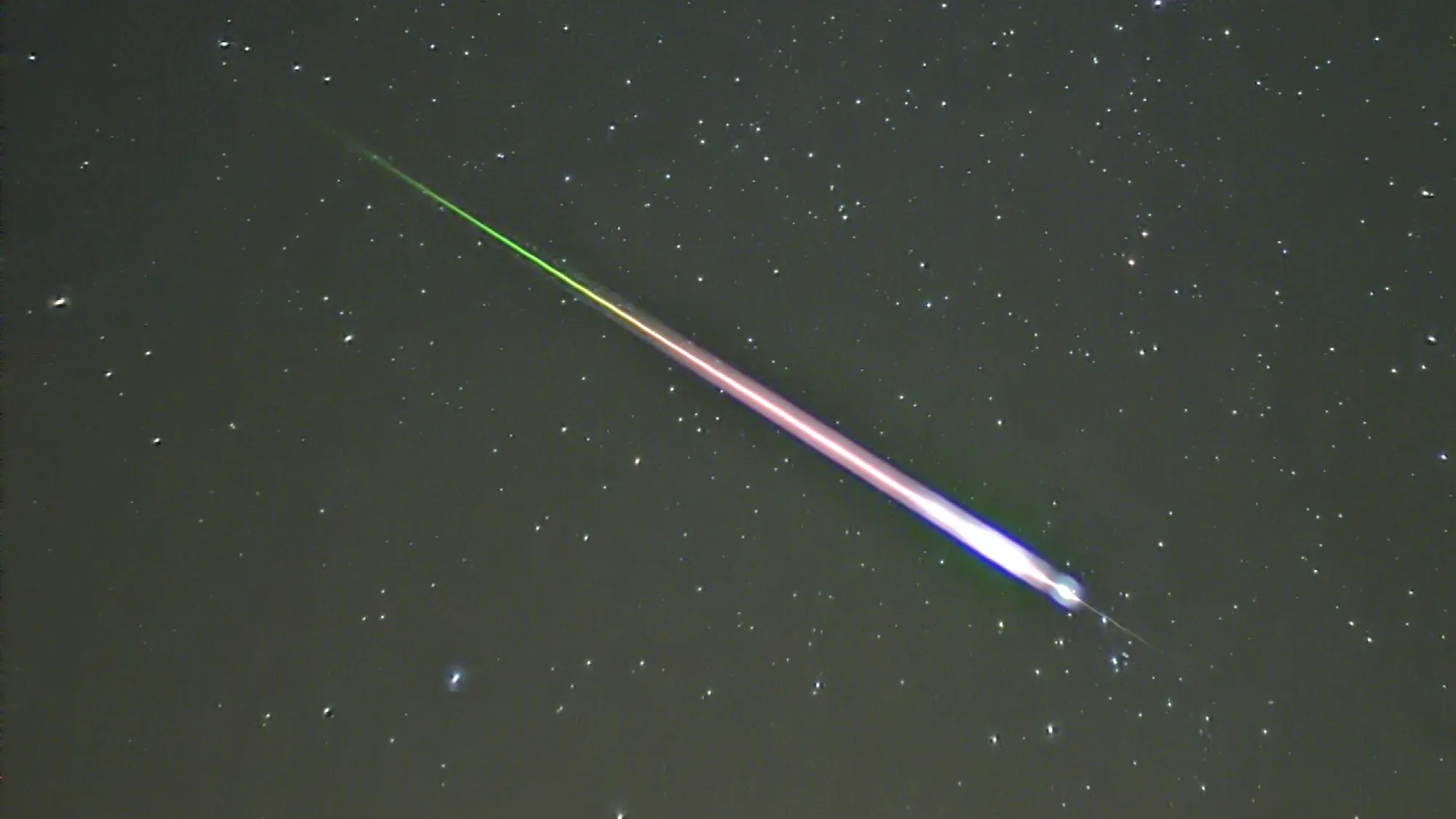
One of the year's most prolific meteor showers is under way. The Leonids, famous for producing the fastest meteors in the sky, are active from now until 30 November, with the peak on the night of 17 November, when skywatchers could see 10 to 15 meteors an hour, BBC Weather reports.
The good news for Birmingham is that no special equipment is needed: the meteors can be seen with the naked eye, and the best viewing of the month is expected around the peak.
Dust from a comet
The Leonids are made up of dust particles shed by Comet 55P/Tempel-Tuttle, which leaves a trail of debris as it travels around the Sun. Each November, the Earth passes through that trail, and the particles burn up in the atmosphere as streaks of light.
They enter the atmosphere at up to 44 miles (71km) per second, which is why the Leonids are the fastest meteors of any shower. The brightest can leave a glowing trail that lingers for a second or two after the meteor has gone.
The shower gets its name from its radiant, the point in the sky from which the meteors appear to come. It lies around the head of the constellation Leo, so that is the best part of the sky to watch, although meteors can appear anywhere.
This weekend's chances
The weather this weekend is not ideal. Large amounts of cloud are expected, with a chance of drizzle in places, and fog could form wherever skies clear for any length of time. By Sunday night, more parts of the UK are likely to have clear spells.
Overnight temperatures will fall into single figures, with a touch of frost possible in a few places, so anyone planning to look up for a while should wrap up warmly.
Better around the peak
Patience may be rewarded. Viewing conditions look particularly good around the peak in the middle of November, because the Moon will be below the horizon around midnight, so its light will be less likely to wash out fainter meteors.
How to see them from Birmingham
Experts advise finding a safe, dark place away from street lights, with a wide view of the sky. In and around Birmingham, that might mean a large park, the Lickey Hills, Sutton Park or the edge of the countryside beyond the city, rather than a back garden in the glare of street lights.
Give your eyes 20 to 30 minutes to adjust to the dark, and avoid looking at your phone screen, which resets your night vision. Lie back on a blanket or reclining chair and take in as much of the sky as you can. Binoculars and telescopes are not needed, and can make it harder to see meteors, which move fast across a wide area of sky.
Leo rises in the east late in the evening and is highest in the hours after midnight, which is usually the best time to look. And if the clouds win this weekend, there are still more than three weeks of the shower to go.
More in Science
All
Latest news
Featured posts
-
Things to do
Top 10 places to visit in Birmingham
-
Food and drink
The 12 most popular food spots in Birmingham
-
Things to do
The best laser tag locations in Birmingham