

Lebanon shows how to put mental health care at the heart of a crisis response, says UN deputy chief
Amina Mohammed praised mental health screening in Beirut clinics and a free suicide prevention hotline, as a Wellcome-backed UN plan starts in Lebanon and Chad.
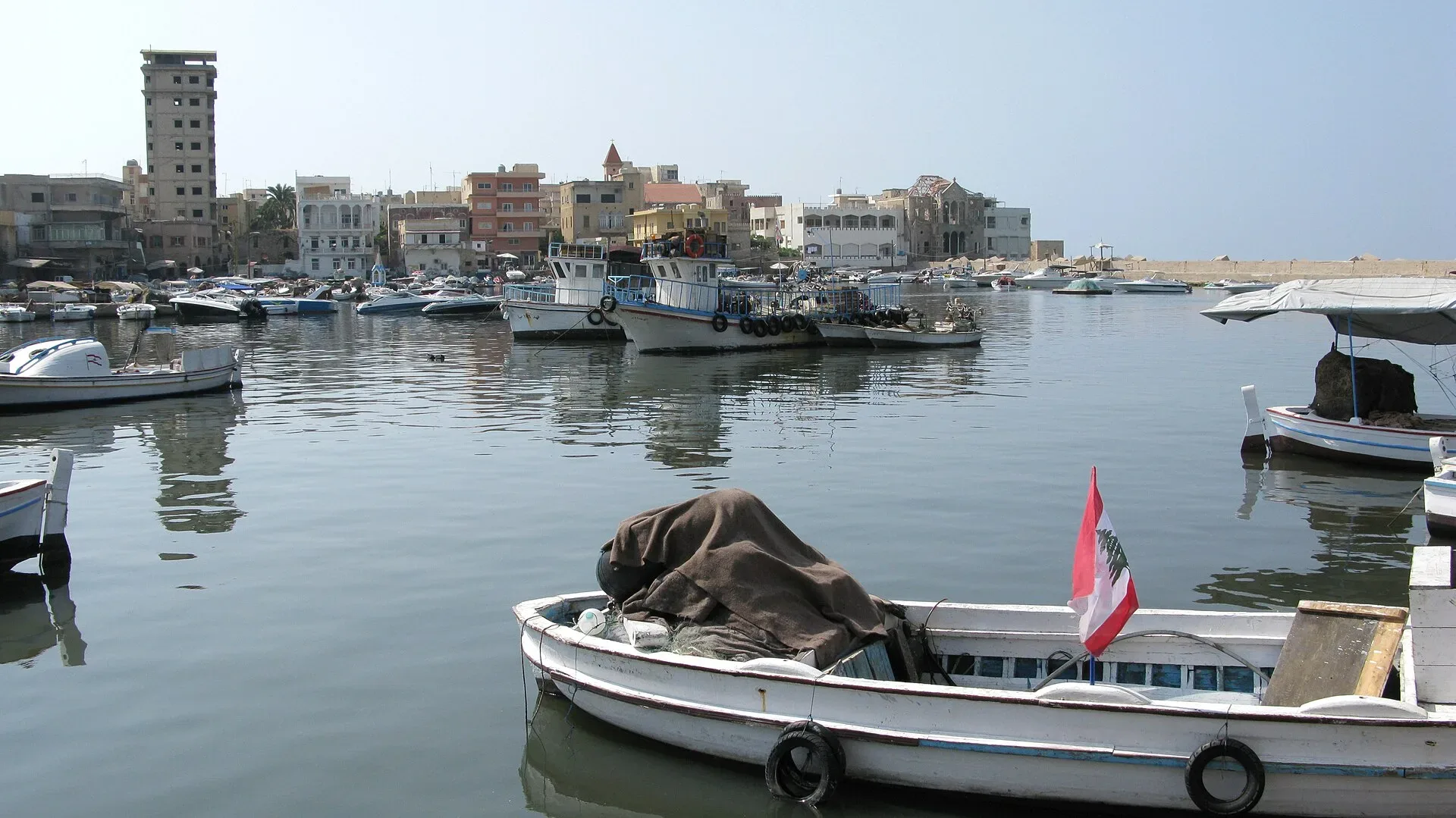
Lebanon has built mental health care into its everyday health service despite years of conflict and instability, and its approach offers lessons for crisis-hit countries around the world, the UN Deputy Secretary-General, Amina Mohammed, has said after a visit to the country.
Mental health support must be a core part of any humanitarian response, she said, UN News reported.
"What I heard in Lebanon is a powerful reminder that the impact of conflict does not end with the physical destruction we can see," Ms Mohammed said. "The effects on people's mental health, families and communities can endure long after."
Screening at the health centre
Lebanon faces mass displacement and acute food shortages as Israeli strikes continue, particularly in the south. Yet it has increasingly brought mental health support into its public healthcare system. Its National Mental Health Programme has a strategy to make mental health and psychosocial support an integral part of health services.
At the primary health centre in Chiyah, in Beirut, routine health checks now include mental health screening and support. Lebanon has also made its national suicide prevention and emotional support hotline, Lifeline 1564, free to call.
"Lebanon clearly has the expertise, integrated systems and proven models; what it urgently needs is more investment to bring mental health well-being services to more people and communities and ensure its long-term sustainability," Ms Mohammed said.
Care that does not stop
In the southern city of Tyre, she met mental health professionals and patients, and heard how local teams keep care going despite difficult conditions. "I was deeply moved and inspired by their courage, especially women, and how they lean into each other's kindness to build strength," she said.
In Naqoura, also in the south, she thanked staff of UNIFIL, the UN peacekeeping mission in Lebanon, for their contributions and sacrifices as the mission's mandate comes to an end.
A global gap, and a Wellcome-backed plan
In 2024 more than 300 million people around the world needed humanitarian help, including an estimated 66 million living with adverse mental health conditions, yet services remain badly underfunded.
To help close the gap, the UN has launched the Greentree Acceleration Plan, with $13.2 million in initial funding from the London-based health charity Wellcome, the same charity funding this week's British study of the social media ban's effect on young people. The plan is being rolled out first in Lebanon and Chad, to strengthen locally led mental health services, widen access to proven treatments and support humanitarian workers' own wellbeing.
Annemarie Hou, Executive Director of the UN Office for Partnerships, which runs the plan, said: "People affected by crisis need more than survival. They need the support and dignity that allow them to recover, reconnect and rebuild their lives."
More in World
All

Latest news
Featured posts
-
Things to do
Top 10 places to visit in Birmingham
-
Food and drink
The 12 most popular food spots in Birmingham
-
Things to do
The best laser tag locations in Birmingham