

First 3,000 LED street lights installed in £10m Birmingham scheme
Just over 3,000 new LED lights are in, the start of a council scheme to upgrade a further 17,690 and make journeys after dark feel safer.
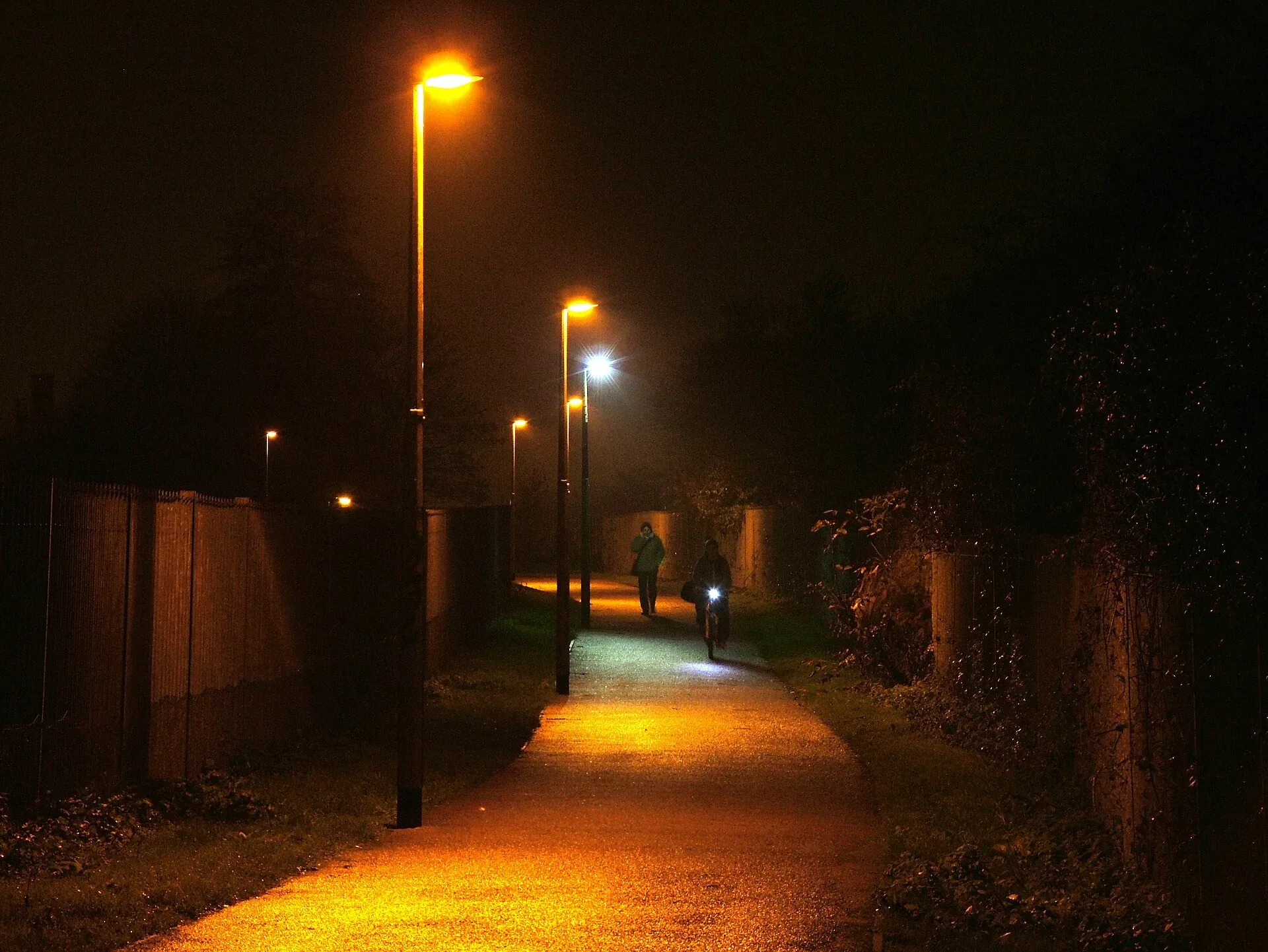
The first batch of new LED street lights from a £10m city council scheme is now shining on Birmingham's roads, with just over 3,000 installed so far in a programme aimed at cutting energy bills and carbon emissions and making journeys after dark feel safer.
Birmingham City Council said the scheme will replace lighting on key traffic routes and on estate roads and footpaths, which typically make up most of the start and end of people's journeys.
Half the city still to switch
Around half of the city's 100,000 streetlights are still non-LED. The scheme will continue the change, upgrading a further 17,690 lights and concentrating first on the roads with the highest energy consumption and carbon emissions.
As well as reducing emissions and improving the night-time environment, LED lights last longer than the old-style lamps they replace, which the council said means lower maintenance costs, a welcome saving for an authority that has had to watch every pound in recent years.
"Make journeys feel safer"
Councillor Rob Grant, cabinet member for transport, said the benefits go beyond the electricity bill.
"Continuing to replace old-style lights with LEDs is really important for the climate, energy consumption and costs, but it can encourage people to leave their cars at home and make journeys feel safer, when people are travelling when it is still dark," he said.
"Improving lighting in the first and last mile of a journey can mean a greater uptake of walking and cycling and use of public transport. Well-lit environments enhance the perception of personal safety and comfort, particularly during early mornings and evenings when many commuters travel."
The timing is apt. With the clocks gone back and sunrise not until well after 7am, thousands of people across the city are walking to bus stops, stations and school gates in the dark each morning, and heading home in it each evening.
Part of a wider highways plan
The lighting upgrade was approved by the council's cabinet on 8 September, as part of a new approach to looking after Birmingham's roads and pavements that puts the emphasis on preventing damage before it happens rather than patching it afterwards.
That plan followed the Department for Transport's decision to discontinue the private finance initiative that had funded the city's highways maintenance. The council agreed a two-year contract extension with Kier to keep the network running while the new approach is put in place, covering everything from pothole repairs and winter gritting to drainage, tree work and street lighting across a network that includes 94,000 lighting columns.
Old orange sodium lamps are steadily disappearing from British streets, and the switch to white LED light is one of the simplest ways for councils to cut both running costs and emissions at the same time.
For residents, the change should be visible street by street over the months ahead, as the remaining non-LED lights on the busiest and most energy-hungry routes are swapped out.
More in Council and Politics
All
Council and Politics
Government to launch independent inquiry into Birmingham's exempt housing sector
Latest news
Featured posts
-
Things to do
Top 10 places to visit in Birmingham
-
Food and drink
The 12 most popular food spots in Birmingham
-
Things to do
The best laser tag locations in Birmingham