

Three city centre 'phone box' hubs with free calls, charging and a defibrillator planned for Birmingham
JCDecaux wants to put the units on Corporation Street, Bull Street and in Brindleyplace, with free landline calls, Wi-Fi and an emergency button.
Birmingham city centre could get three modern "phone boxes" offering free calls, free Wi-Fi, phone charging, a defibrillator and an emergency call button, under plans submitted to Birmingham City Council.
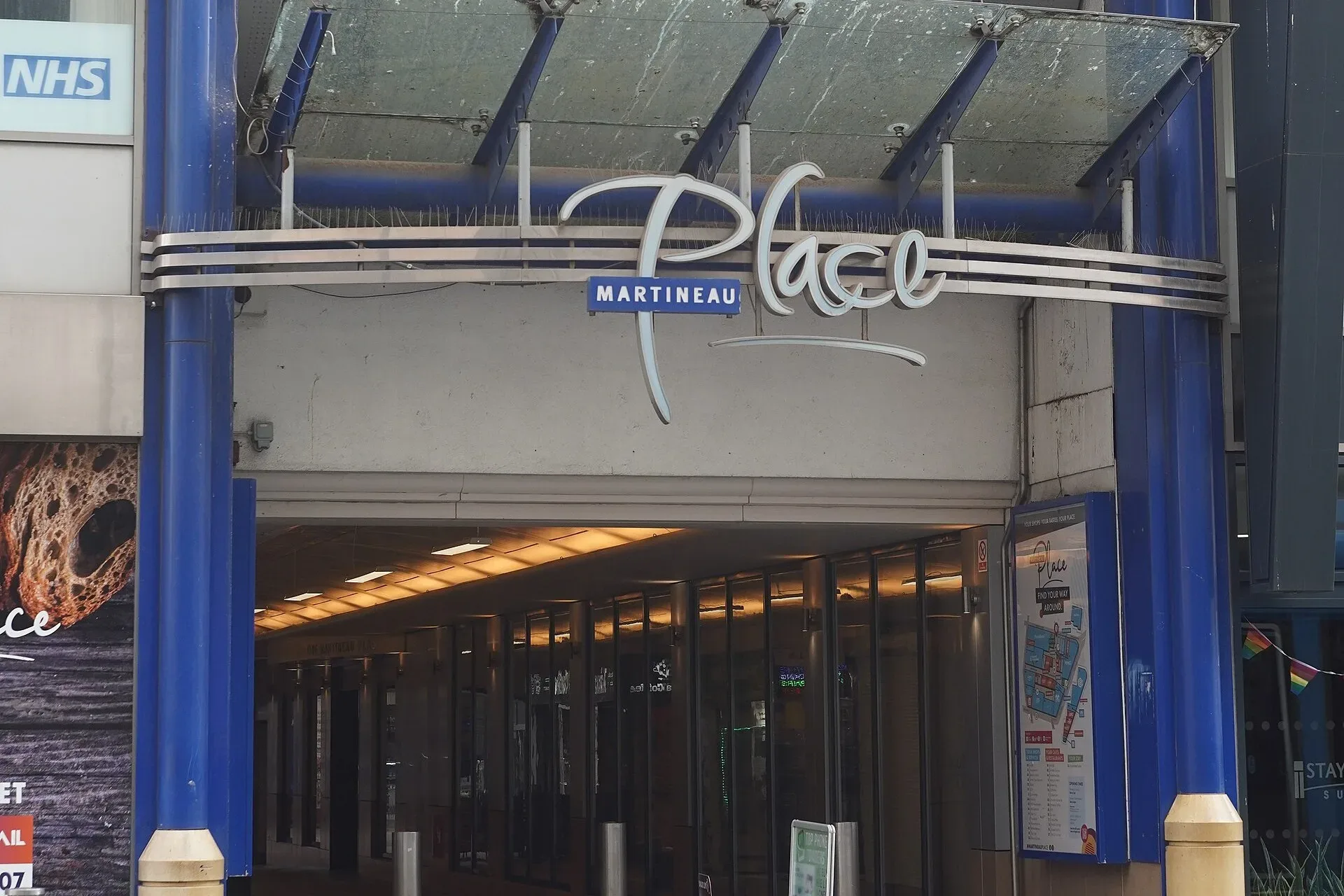
The communication hubs, proposed by the advertising company JCDecaux UK, would stand on the pavement on Corporation Street outside the former House of Fraser, on Bull Street near the entrance to Martineau Place, and outside 10 Brindleyplace. Each unit would be 1.67 metres tall and would also carry maps and directions and an advertising screen.
Reinventing the phone box
JCDecaux says the old-style phone box no longer works as a single-purpose piece of street furniture now that almost everyone carries a mobile.
"For this form of public service to survive and remain relevant today it therefore needs to offer a range of services and functions and offer real benefits to the communities and people that live, work, and visit our town centres," the company said in its application.
"The Hub unit is designed to be a freely accessible service that includes Wi-Fi, phone calls, wayfinding, device charging, emergency service call button, defibrillator and other functions combined into a single piece of furniture."
What you could and could not call
Free calls would be limited to landlines, reverse-charge calls to landlines, the emergency services and charities. Calls to mobile numbers would not be free, which the company says should reduce the chance of the phones being used for crime.
The company says it will work with the police and apply tighter rules to hubs in problem areas, where only emergency helplines would be free and phone charging would be limited to a short top-up. The system would use AI to spot unusual call patterns, and repeated calls from one hub to the same number, other than to emergency services or charities, would be flagged and could be temporarily blocked.
Each hub would have built-in cameras. If someone stays in the sheltered phone side for more than ten minutes, a message would appear on screen to say recording is starting. Footage linked to a crime could be shared with the police on lawful request and would normally be kept for 31 days.
Messages from charities and police too
The advertising screens would show commercial adverts alongside community messages, such as appeals from charities and crime prevention advice from the police, changing every ten seconds. The screens would be switched off between 11.59pm and 6am.
What happens next
The plans have been submitted to the council and a decision will be made at a later date. For people whose phone has died in town, or who need a defibrillator in a hurry, the hubs could offer real help. The council will weigh that up against the advertising screens and the questions about cameras and misuse when it decides.
More in Council and Politics
All
Council and Politics
Government to launch independent inquiry into Birmingham's exempt housing sector
Latest news
Featured posts
-
Things to do
Top 10 places to visit in Birmingham
-
Food and drink
The 12 most popular food spots in Birmingham
-
Things to do
The best laser tag locations in Birmingham