
Europe's ice-watching satellite CRISTAL spreads its solar wings
The polar ice and snow mission passed its first solar panel deployment test and heads for a year of trials before a launch in 2027-28.
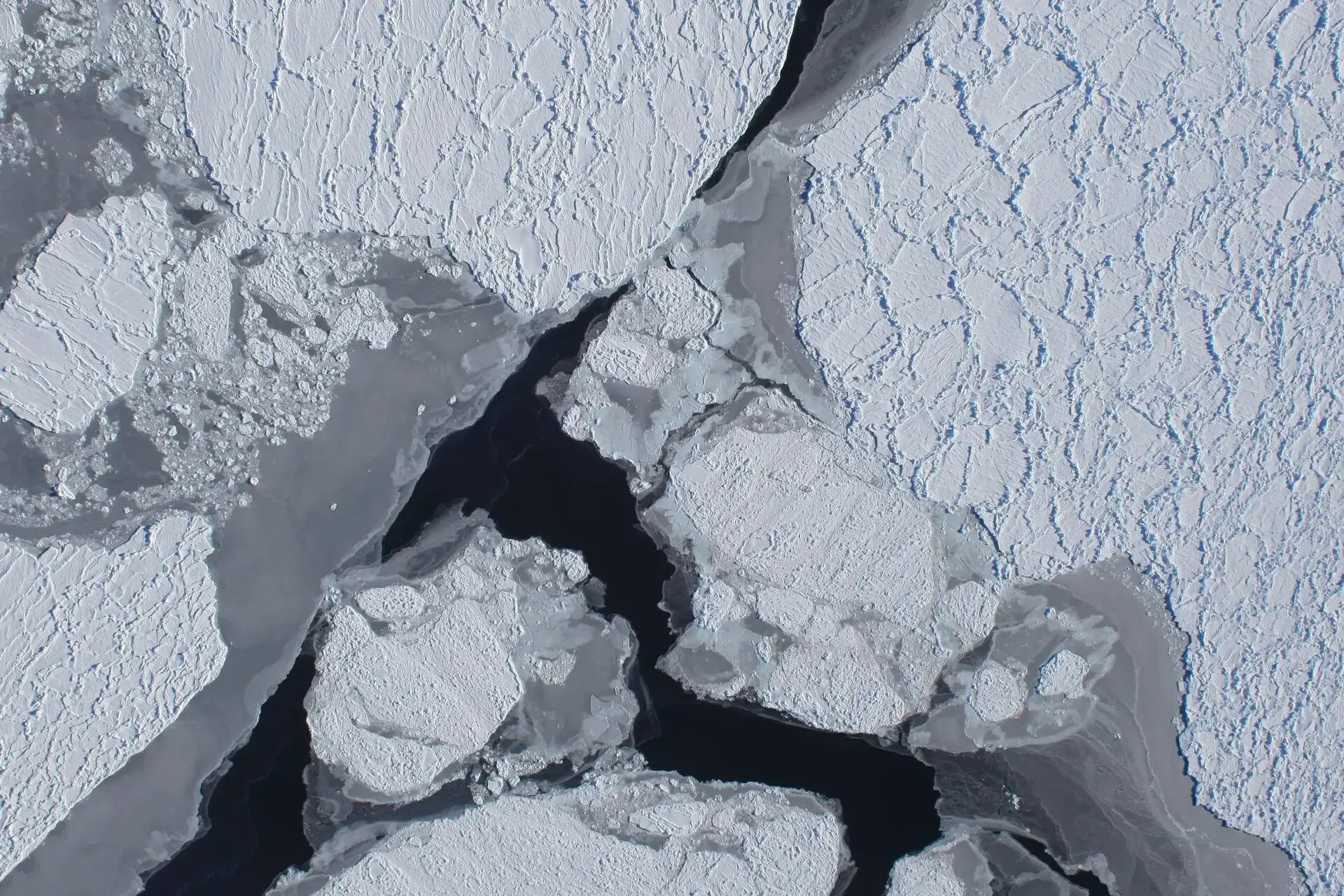
Europe's next satellite for watching the world's ice has spread its solar wings for the first time, passing a key test as it moves from assembly into the tough trials that will prove it is ready for space.
CRISTAL, short for the Copernicus Polar Ice and Snow Topography Altimeter, will measure how the thickness of sea ice, the depth of snow lying on it, and the height of the great ice sheets are changing. The European Space Agency is targeting a launch between late 2027 and early 2028.
A successful first unfolding
Engineers at Airbus in Friedrichshafen, Germany, finished assembling the satellite in September. They then began putting its systems through their paces, and the highlight was the first deployment of its solar panels. The test checks that the mechanisms and software work together so the panels unfold properly once the satellite is in orbit.
The team, working with the launch provider AVIO, also checked that CRISTAL fits on its launch adapter, the part that holds a satellite on its rocket, and that the release mechanism works so it can separate cleanly. Alongside the hands-on tests, a formal review looked at whether the satellite's equipment and instruments were ready for the next stage.
Kristof Gantois, ESA's CRISTAL project manager, said: "Everything is progressing very well and the satellite passed these tests with flying colours, for which I would like to thank everyone involved. This marks an important step towards preparation for the next phase of testing."
What comes next
The satellite will now move to ESA's establishment in the Netherlands, where, Mr Gantois said, "it will spend most of next year going through stringent environmental tests to ensure that it will withstand liftoff and its life in the harsh environment of space."
CRISTAL is set to be the first of the new Copernicus Sentinel Expansion missions to reach orbit. It carries the first dual-frequency radar altimeter, an instrument that bounces radar pulses off the surface to measure its height very precisely, along with a microwave radiometer.
Why ice matters
ESA describes ice as "arguably the most vulnerable part the Earth system". By measuring it precisely, the mission will help scientists understand climate processes and their impacts.
CRISTAL will continue a long record of measurements from earlier missions, including ESA's CryoSat, so scientists can compare like with like over decades. A second satellite, CRISTAL-B, is planned to launch towards the end of the first one's working life, keeping the record going for at least the next two decades.
As well as helping scientists understand climate change, the mission's data will support shipping in polar waters and the monitoring of coastal and inland waters and ocean heights.
More in Science
All
Latest news
Featured posts
-
Things to do
Top 10 places to visit in Birmingham
-
Food and drink
The 12 most popular food spots in Birmingham
-
Things to do
The best laser tag locations in Birmingham