

Burnham in Brussels for UK-EU summit aimed at cheaper food trade and a youth scheme
The Prime Minister wants a deal to cut food trade costs and red tape for manufacturers, and a youth mobility scheme for up to 100,000 young people a year is expected.
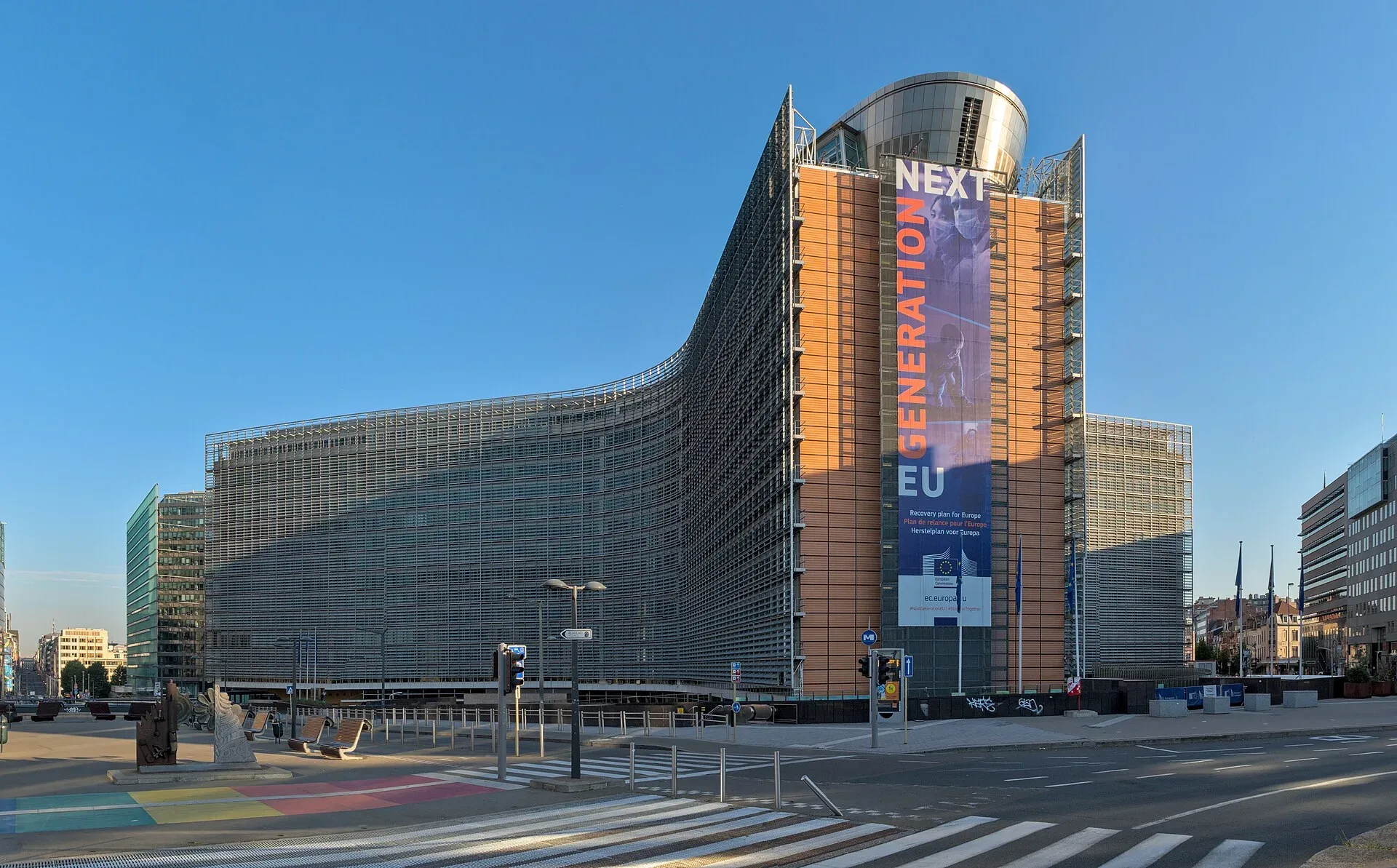
Prime Minister Andy Burnham is in Brussels today for a UK-EU summit at which he aims to seal a deal to make food and drink cheaper and quicker to trade, cut red tape for manufacturers and give young people back the chance to live, work and study in Europe.
The government says closer co-operation with the EU is expected to add billions of pounds to the UK economy. For Birmingham's manufacturers, food businesses and young people, the details agreed today could make a real difference.
Four priorities
Downing Street set out the Prime Minister's priorities for the summit, which follows months of intensive negotiations:
Cutting costs and easing pressure on prices, by making it quicker, cheaper and simpler for food and drink to move between Britain and the EU and helping keep prices down in the shops.
Cutting red tape and backing British industry, by removing barriers to trade for British manufacturers and protecting jobs in the country's industrial heartlands.
Restoring opportunities for young people to live, work, study and travel in Europe, and bringing young Europeans to the UK.
Working with neighbouring countries to take on the smuggling gangs behind dangerous Channel crossings.
"Does it make life better?"
Mr Burnham said: "The test for this Summit is simple: does it make life better for people in Britain? That is what I will deliver in Brussels today - cutting costs, keeping prices down in the supermarkets and creating opportunities for young people."
"Britain and Europe share values, interests and a global neighbourhood. In a more dangerous world, we are stronger together. A closer partnership with Europe is good for working people, good for Britain and good for Europe."
European Union relations minister Hamish Falconer said: "From binning excessive paperwork holding back our exporters, to creating new opportunities for our young people to learn, thrive and succeed, our work today will make a difference to businesses, farmers, families and households across the UK."
Youth scheme expected
The BBC understands that a youth mobility scheme is set to be agreed, allowing up to 100,000 young people from the EU to travel, work and study in the UK each year, with the same number of young Britons able to go the other way. Downing Street has not commented on the details. The UK already has similar schemes with 13 countries outside the EU, including Australia, Canada and India.
The government argues a food trade agreement could add £5bn to the economy and cut food prices, the BBC reported.
The trade-offs
There are catches. A food deal could mean the UK following some EU rules on products, such as gene-edited crops or labelling, and the Conservatives have warned that companies which do not trade with the EU could still find themselves bound by its rules. The government has said it would bring legislation to Parliament next week if a deal is reached.
For exporters and shoppers alike, the hope is that cheaper, simpler trade will show up where it counts: on the shelves and in order books.
More in Economy
All

Latest news
Featured posts
-
Things to do
Top 10 places to visit in Birmingham
-
Food and drink
The 12 most popular food spots in Birmingham
-
Things to do
The best laser tag locations in Birmingham