

Birmingham's Health and Life Sciences Quarter launched at Parliament with minister's backing
The square mile around the university and the QE hospital brought in £1bn of research awards over five years, and is now seeking partners.
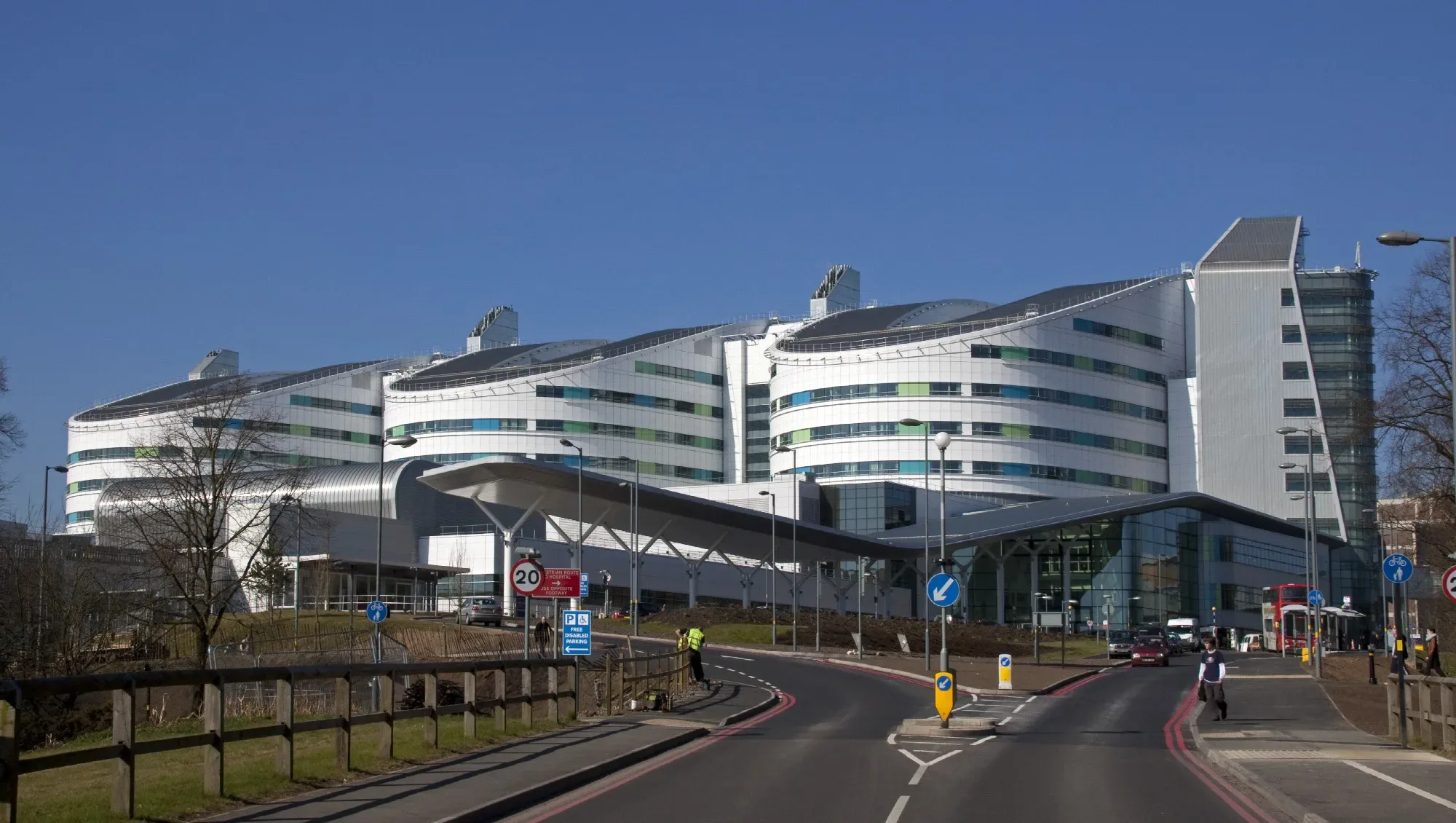
Birmingham has made its pitch to be one of the country's leading centres for medical research and life sciences. The city's Health and Life Sciences Quarter was formally launched at an event in the Houses of Parliament this week, with the Minister for Health Innovation, James Frith, praising it as a powerful example of research, clinical expertise and commercial ambition coming together, the University of Birmingham said.
The event, led by the university and hosted by Al Carns, MP for Birmingham Selly Oak, brought together people from the NHS, research institutes, industry, investors and Parliament.
A square mile of discovery
The Quarter is centred on a square mile to the south of the city centre. It takes in the University of Birmingham, the Queen Elizabeth Hospital Birmingham, Birmingham Women's Hospital, the BioHub and the Birmingham Health Innovation Campus, home to the university's Precision Health Technologies Accelerator.
Slightly further afield, the Birmingham Dental Hospital and the Royal Orthopaedic Hospital complete the picture, along with companies such as The Binding Site and Nonacus, both of which started at the University of Birmingham and stayed in the city as they grew.
Because everything is so close together, the university says the whole research journey can happen in one place, from early discovery science to clinical trials and studies that turn findings into treatments.
"This isn't a promise of what's to come"
Professor Neil Hanley, Pro-Vice-Chancellor and Head of the College of Medicine and Health, said health and life sciences in the city had brought in £1 billion in research awards over a five-year cycle. But he argued the real value lay in "proximity and the connections made across the ecosystem".
"This isn't a promise of what's to come," he said. "We already have the capability, we have the outstanding facilities, we have the people, the coming together of academics, clinicians and industry start-ups. Birmingham is already achieving incredible things: world-first trials, one-of-a-kind studies, and getting new treatments to patients before anywhere else in the world."
Research that reflects the real world
The university points to Birmingham's population as one of its biggest strengths. It is one of the youngest and most diverse cities in Europe, with access to five million people nearby, which means research findings are more likely to hold true for patients around the world.
Al Carns said: "With over 100 languages spoken across the city, Birmingham is home to the youngest, most diverse and most stable population in the UK. That combination matters enormously for health and life sciences. New treatments and technologies need to work for everyone, and too often they are tested on groups that don't reflect the people who will ultimately use them."
"In Birmingham, researchers and companies can test and trial in a microcosm of the world, with communities who stay put long enough to be part of studies over many years," he added.
Open for business
The university also highlighted the city's central location, its transport links, and lab rents that it says are considerably lower than in other life sciences hubs, along with a lower cost of living for researchers.
Professor Hanley closed the event by inviting guests, potential industry partners and investors to come and see the Quarter for themselves. "Birmingham is open for business," he said.
More in Science
All
Latest news
Featured posts
-
Things to do
Top 10 places to visit in Birmingham
-
Food and drink
The 12 most popular food spots in Birmingham
-
Things to do
The best laser tag locations in Birmingham