

BBC boss tells Sir Lenny Henry its leaders must look at 'who's not in the room'
Director-General Matt Brittin spoke to Sir Lenny for Birmingham City University's Representology, as the Centre sets out six asks for the next BBC Charter.
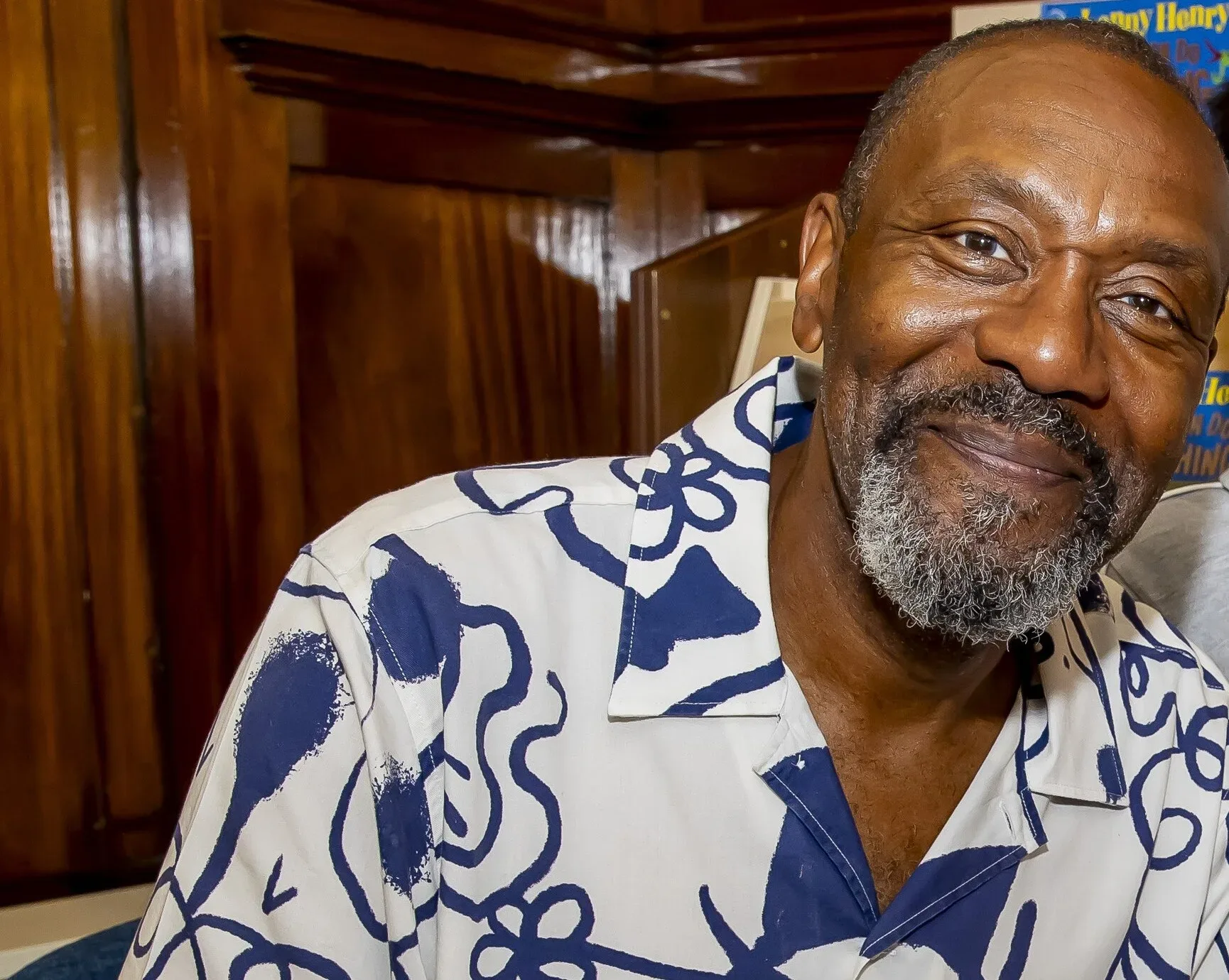
The BBC's Director-General, Matt Brittin, has told Sir Lenny Henry that the Corporation's leaders must pay more attention to who is missing from positions of influence, in an interview published by Birmingham City University's Sir Lenny Henry Centre for Media Diversity.
The conversation appears in Representology Edition 10, the Centre's journal, and on the launch episode of the new Representology podcast. It comes as the BBC and the government negotiate the next Royal Charter, which sets the Corporation's mission and duties. The current Charter expires on 31 December 2027.
"Who's not in the room"
"You're looking for who's in the room and you're looking for who's not in the room," Mr Brittin said. "And I think that's something I want to ensure that the team that leads the BBC, whatever backgrounds they come from, are paying more attention to, because it's part of our duty."
He said a BBC review completed shortly before he joined had shown "huge progress" in on-screen representation, but acknowledged continuing challenges around working-class backgrounds, representation behind the scenes and access to leadership. Asked why people from diverse backgrounds struggle to progress, he said: "It can depend on patronage, it can depend on who you know, it can depend on luck and chance and so on, and I think sometimes that can bias against people from underrepresented groups."
"I'm a 58-year-old white man who was lucky enough to go to university, and you've got to decide: I'm going to be part of trying to address this, or not," he added.
Sir Lenny, the Dudley-born comedian and actor, described the extra barriers people of colour face in getting their ideas heard. "If you're black or brown or whatever, you go into these big organisations and the first thing you have to do is translate whatever you're talking about, so that the person on the other end of the desk understands what you're pitching," he said. He also asked how the BBC could be "for everyone, including people who don't feel it's yet theirs".
Audiences "gone missing"
Mr Brittin accepted that some audiences had drifted away. "In some cases, those audiences have kind of gone missing for us. So we need to go where they are and engage them with content that is made for them," he said.
The BBC's own figures show the challenge. In 2025/26 it reached 85% of White audiences each week, against 61% of minority ethnic audiences, and the share of minority ethnic audiences who say the BBC reflects people like them fell from 48% to 39%.
Six asks from Birmingham
The Centre wants the next Charter to test whether the BBC's diversity duties are actually being met, not just require it to publish data. Its six asks are: test outcomes, not just publication; give every diversity duty measurable criteria; report progress against a baseline; make weekly audience reach by ethnicity part of how the BBC is judged; measure representation where commissioning and editorial decisions are made; and appoint a board-level lead for diversity.
Jaldeep Katwala, the Centre's director, said: "Matt Brittin has been candid, and we welcome that." He added: "The next Charter is an opportunity to turn commitments into measurable accountability."
More in Arts and Culture
All

Latest news
Featured posts
-
Things to do
Top 10 places to visit in Birmingham
-
Food and drink
The 12 most popular food spots in Birmingham
-
Things to do
The best laser tag locations in Birmingham