

300,000 young people to help study the social media ban's effect on mental health, with Birmingham researchers
Ten Wellcome-funded projects, including one at the University of Birmingham, will track how under-16s respond when the ban starts in spring 2027.
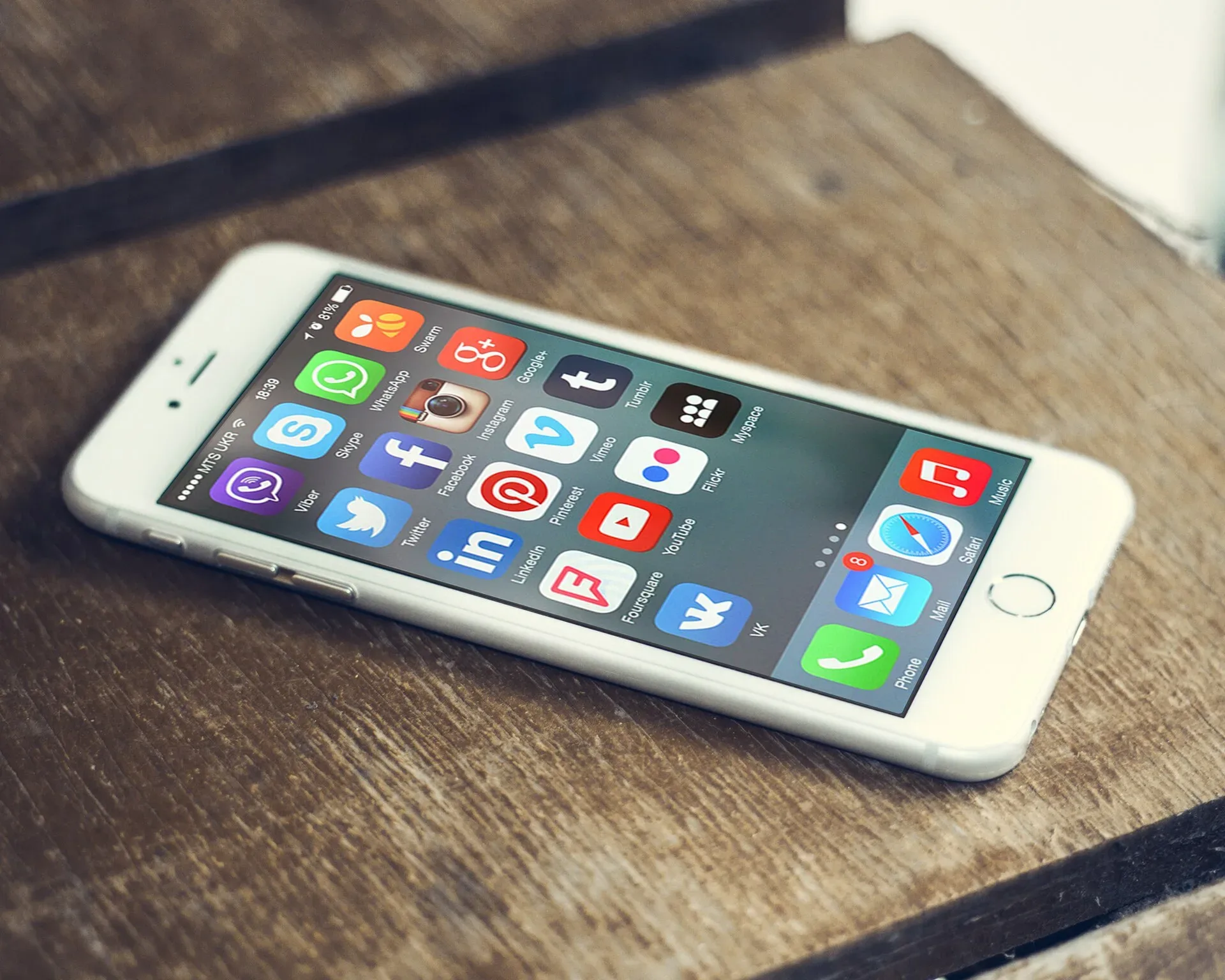
More than 300,000 young people across Britain are to take part in the largest study yet of how the coming social media ban for under-16s affects mental health, with the University of Birmingham among the research teams.
Ten projects have been commissioned across England, Wales and Scotland, funded by the health charity Wellcome. They will look at whether young people spend less time on their phones once the ban starts in spring 2027, what they do instead of scrolling, and whether they find ways around the restrictions, the BBC reported.
Wearables, diaries and surveys
Researchers will use wearable technology, smartphones, digital diaries and surveys to see how young people respond to the ban, both physically and mentally. Some early results are expected before the ban begins, and the findings will help shape online safety policy in the UK and abroad.
The ban follows a similar model to Australia's, stopping children using platforms such as Instagram, TikTok, Snapchat, Facebook and YouTube.
Wellcome has said the teams will measure young people's mental health before the changes come in, so the effect can be judged afterwards, and will follow them up for at least a year. Young people are being involved in designing the studies.
"Not a simple binary question"
Dr Camilla Iannone, research lead at Wellcome, called it a once-in-a-generation chance to study at scale how social media and its restriction affect youth mental health.
"We really don't think that this is a simple binary question of whether social media is good or bad, or whether restrictions work or don't work," she said. "Instead, the teams will study whether changing young people's digital environment leads to meaningful changes in their mental health and wellbeing."
A wide range of young people
Participants are being recruited to reflect a diverse range of young people, including different genders and sexual orientations. Young people with existing mental health conditions such as anxiety and depression will be included, as will young people who are neurodivergent.
Alongside Birmingham, research groups have been set up at Cardiff University, the University of Oxford, King's College London, the University of Edinburgh, the University of Manchester, the London School of Hygiene and Tropical Medicine and University College London.
Learning from Australia
Australia introduced its ban last December, and it has yet to produce clear results. Supporters say it protects young people from harmful content, while critics argue it is too harsh, and there have been reports of Australian teenagers getting round it. The UK government has promised tougher blocks.
Wellcome says nearly half of all mental health problems emerge by the age of 18, which is why the charity wants better evidence on what helps. For families in Birmingham weighing up when to hand over a first phone, the answers from this research could be some of the most useful yet.
More in National
All


Latest news
Featured posts
-
Things to do
Top 10 places to visit in Birmingham
-
Food and drink
The 12 most popular food spots in Birmingham
-
Things to do
The best laser tag locations in Birmingham