

Victorian workman who filled his home with William Morris-style designs to get a blue plaque
David Parr painted Morris patterns for wealthy clients by day and his own Cambridge terrace by candlelight. He is thought to be the first art-workman to get a plaque.
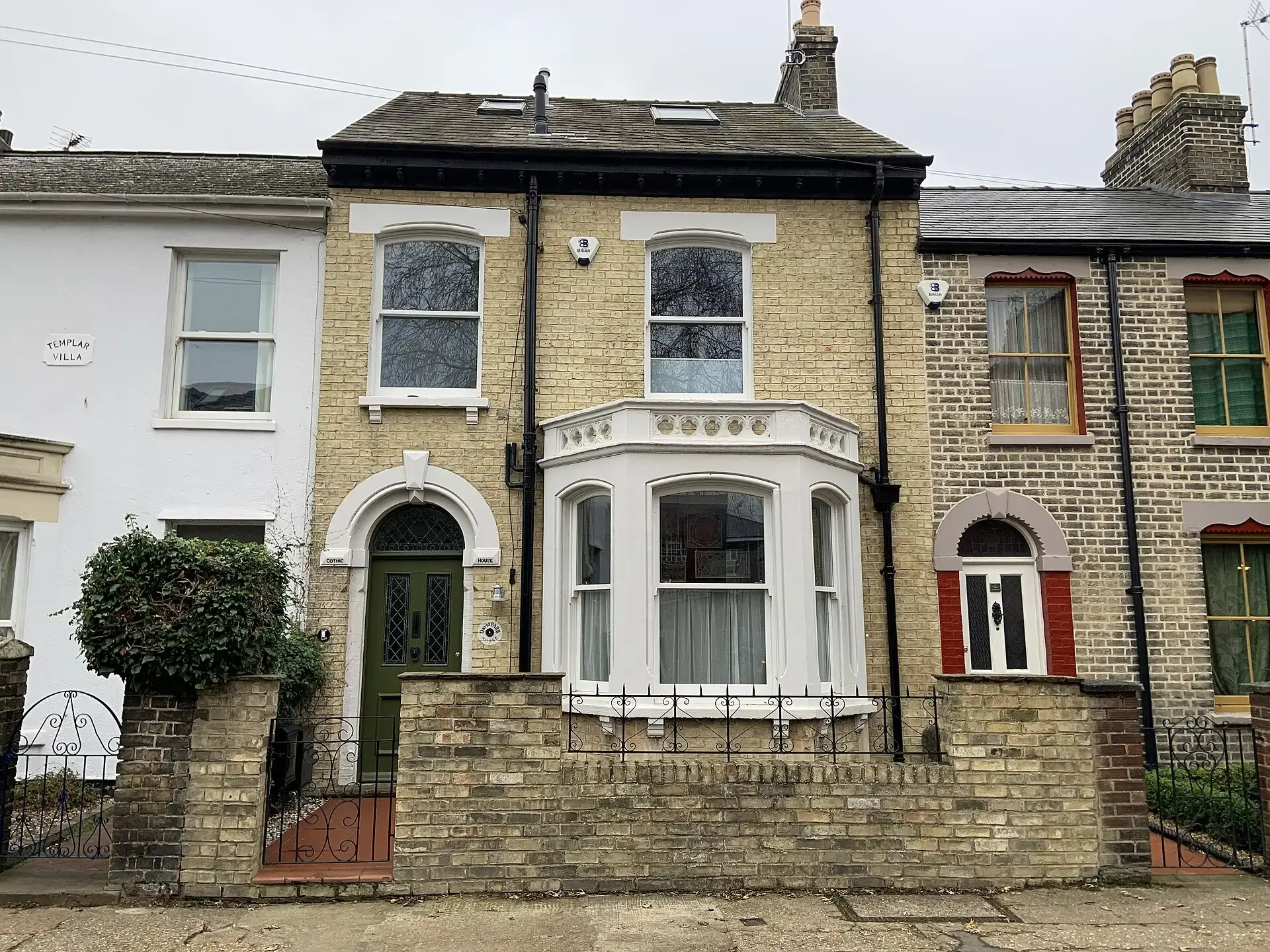
A Victorian decorator who spent his days painting William Morris designs on the walls of mansions and colleges, and his nights covering his own small terrace house in patterns of his own, is to be honoured with a blue plaque, thought to be the first ever for a working-class Victorian "art-workman".
David Parr's home on Gwydir Street in Cambridge, now known as the David Parr House, lay hidden behind an ordinary front door for more than 80 years after his death in 1927. The plaque will be unveiled on 8 February 2027, the anniversary of the day in 1886 when he signed the mortgage on the house.
Forty years by candlelight
Parr worked for FR Leach & Sons, a Cambridge decorative arts company, bringing to life the designs of the great figures of the Arts and Crafts movement, most notably Morris and the architect George Bodley. In his free time, often working by candlelight, he spent 40 years filling his walls and ceilings with his own designs, inspired by the patterns his wealthy clients wanted for their far grander homes.
Yet while Morris became a household name, the skilled craftsmen who painted his designs went largely unnoticed. In the records of Parr's working life, his name appears only as initials on a wage list, if at all.
"The Victorians used the term 'art-workman' for the skilled painters, carvers and craftsmen who turned designers' ideas into finished work, usually as employees of a decorating firm," said Annabelle Campbell, director of the David Parr House & Gallery charity. "Their work demanded great accuracy and artistry, yet they sat at the bottom of a hierarchy of client, designer and firm, and were rarely named."
Found by chance
The house was preserved by Parr's granddaughter, Elsie, throughout her life, and was discovered by accident in 2009 when the social historian Tamsin Wimhurst knocked on the door of the 93-year-old and found herself standing in a living room of century-old hand-painted walls. After Elsie's death, the charity bought the house, and it opened to the public in 2019.
"The plaque recognises the importance of the art-workman within the successful Victorian decorative arts economy," Ms Campbell said. "It also recognises the vision and aspiration of a working-class family man."
"Who is commemorated is changing"
Many of Cambridge's blue plaques honour famous academics such as Bertrand Russell and John Maynard Keynes. Ms Campbell said the new plaque would highlight the working-class heritage of the city's Mill Road area. "Lots of these houses were occupied by highly skilled working-class Victorian artisans," she said. "Who is commemorated with a blue plaque is changing."
The charity is crowdfunding £6,000 for a ceramic plaque made by local artist David Stonehouse, along with a short film about its making and an exhibition.
The story will strike a chord in Birmingham, where the Arts and Crafts movement has deep roots. Edward Burne-Jones, Morris's lifelong friend and collaborator, was born in the city, and Birmingham Museum and Art Gallery holds one of the most important collections of his work.
More in National
All


Latest news
Featured posts
-
Things to do
Top 10 places to visit in Birmingham
-
Food and drink
The 12 most popular food spots in Birmingham
-
Things to do
The best laser tag locations in Birmingham