

SpaceX catches Starship's upper stage in its launch tower for the first time after 14 orbits of Earth
The booster was lost, but the upper stage returned to the tower's arms after a 22-hour flight, a step towards a reusable rocket for NASA's Moon landings.
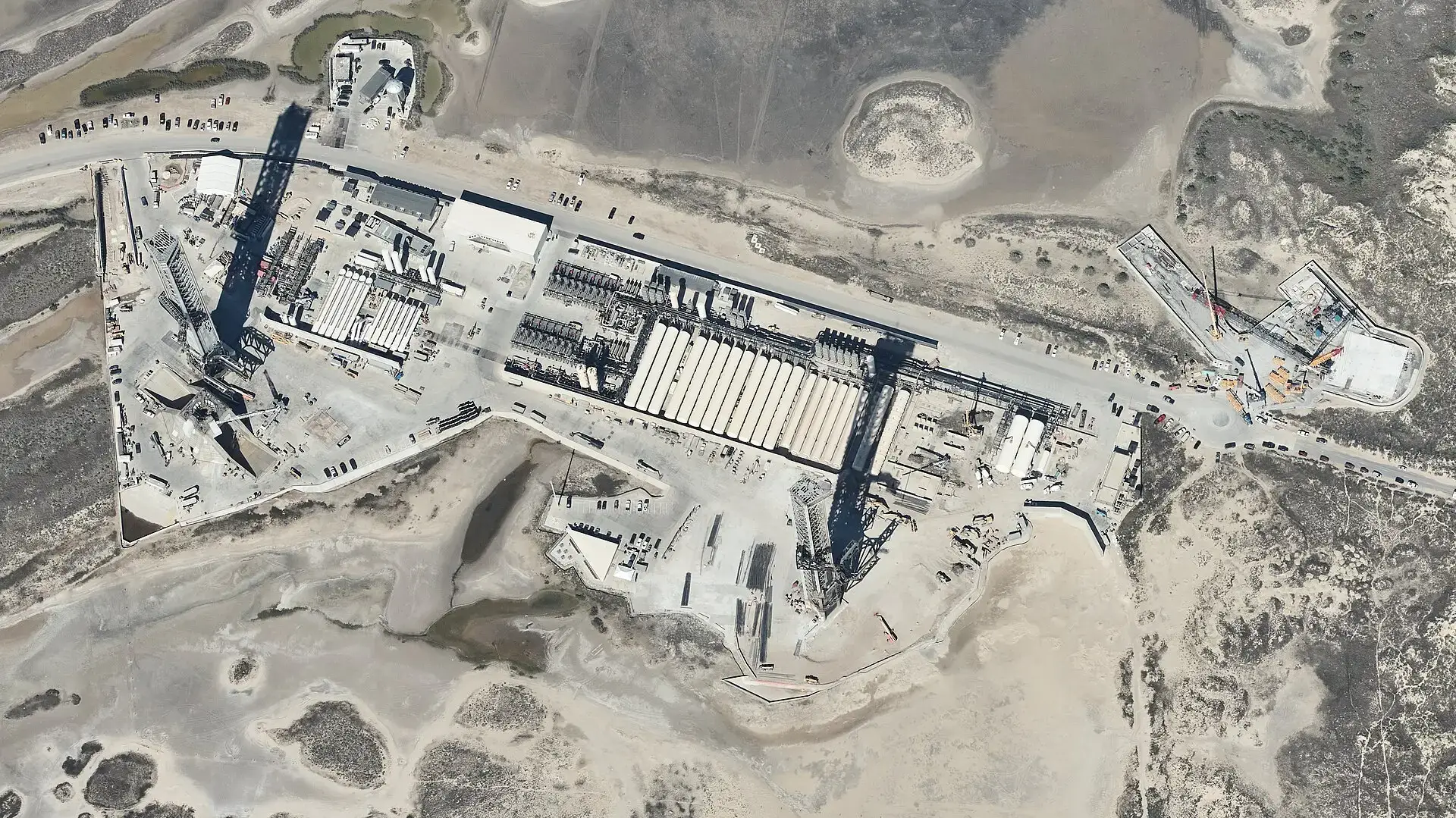
SpaceX has caught the upper stage of its giant Starship rocket with the arms of its launch tower for the first time, a major step towards a spacecraft that can be flown again and again, and one that NASA is relying on to help return astronauts to the Moon.
The 171ft (52-metre) upper stage, also called Starship, descended into the grip of the tower's mechanical arms at the company's Texas launch site on Saturday, ending a 22-hour mission in which it orbited Earth 14 times, the Guardian reported.
A double catch that became a single one
Starship's 15th test flight had been planned as a historic double catch, with both parts of the rocket returning intact to the launch site rather than being lost at sea as on some earlier flights. The rocket is made of two stages: a lower booster called Super Heavy, whose Raptor engines power the climb to orbit, and the upper stage.
That ambition was dashed on Friday, when the booster diverted a few minutes after take-off and exploded in the Gulf of Mexico. Its guidance, navigation and control system called off the catch. "It was doing what it was supposed to do. Basically, it detected that the booster was not in the place it was supposed to be to proceed with a catch," SpaceX spokesperson Dan Huot said. Chief executive Elon Musk said the booster was also "slightly low on fuel".
Even so, the flight was a clear success for the upper stage. It was the first time SpaceX had caught it, and only the second time Starship had reached orbit. During the mission it also deployed 26 of the company's latest Starlink V3 satellites.
Why it matters for the Moon
NASA has contracted SpaceX, along with Jeff Bezos's Blue Origin, to help land astronauts back on the Moon, with the agency's target date of 2028 drawing closer. NASA administrator Jared Isaacman praised the 15th flight on X. "Making more believers by the day," he wrote. "One step closer to [the moon]."
Making rockets rapidly reusable, so they can land and take off again much like aircraft, has been promoted by Mr Musk as the way to bring down the enormous cost of space travel. Catching a stage in the tower's arms means it returns to the launch site intact rather than being recovered from the ocean.
Weekly launches the goal
Mr Musk has said SpaceX plans to increase Starship test flights to a weekly, and then twice-weekly, rhythm. Beyond the Moon, he has also set out plans to carry people to Mars.
There is still work to do: the booster has to come home reliably too before both stages can be reused as planned. But for the upper stage, Saturday's catch after almost a day in orbit is a first for the programme.
More in Science
All
Latest news
-
16 Nov
New direct Birmingham to Crewe trains start on 13 December, the first step to a Manchester Airport link
-
16 Nov
Apple launches study of 200,000 people to test how useful AI answers to health questions really are
-
16 Nov
Asian Business Chamber's Diwali celebration at St Andrew's explores innovation, from cybersecurity to football
Featured posts
-
Things to do
Top 10 places to visit in Birmingham
-
Food and drink
The 12 most popular food spots in Birmingham
-
Things to do
The best laser tag locations in Birmingham