

Severn Trent reservoir helps the willow tit, the UK's fastest declining resident bird
Numbers have fallen 96% since 1967, but around ten pairs nest at Tittesworth, where staff are creating dead wood and nest boxes.
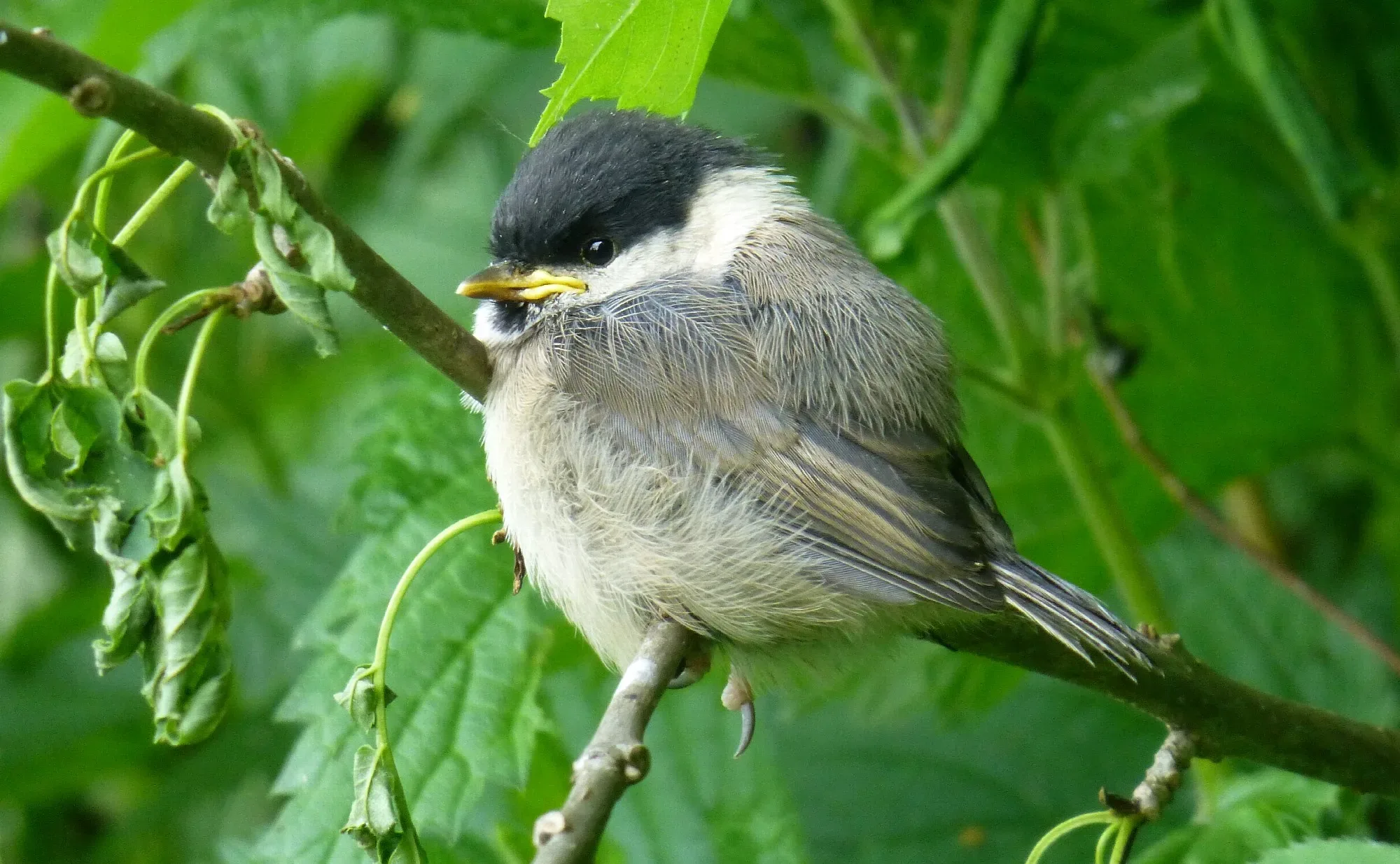
One of Britain's rarest woodland birds is getting a helping hand from Severn Trent, the water company that supplies Birmingham. At Tittesworth Reservoir near Leek in Staffordshire, staff have been reshaping the wet woodland to give the willow tit, the UK's fastest declining resident bird, a better chance of survival, the BBC reports.
Around ten of the country's remaining breeding pairs are believed to nest in the reservoir grounds.
A 96% decline
The willow tit was once a common sight in British woodlands. According to Severn Trent, numbers fell by about 96% between 1967 and 2023, leaving only around 3,400 breeding pairs in the whole country.
The decline has been blamed mainly on urbanisation and the loss of wet woodland, the damp, scrubby habitat the bird depends on. It has disappeared from most of southern England, but pockets remain in the middle of the country, as well as in Wales and Scotland. That makes sites in the Midlands, including Tittesworth, especially important for its future.
Dead wood and new nest boxes
The willow tit is unusual among tits because it excavates its own nest hole, usually in soft, rotting wood. So staff at the reservoir have been improving the wet woodland, creating more dead wood for the birds to nest in, and installing specially designed nesting boxes.
Graham Osborn, biodiversity and ecology lead at Severn Trent, said: "We inherit this land from future generations so it's really important we give it back in a better condition. To know the work we're putting in now is going to improve the habitat for them, and future generations of willow tit, is a fantastic achievement."
Julian Woolford, chief executive of Staffordshire Wildlife Trust, told BBC Midlands Today: "To have proper management plans in place at Tittesworth for the willow tit is fantastic."
The UK's largest site of its kind
The work is part of a wider effort to boost biodiversity across the reservoir. In July, Tittesworth was awarded The Wildlife Trusts' Biodiversity Benchmark accreditation, making the 145-hectare (358-acre) site the largest of its kind in the UK to receive the recognition.
As well as willow tits, Mr Osborn said the site is home to many mammals, including bats, badgers, hedgehogs and polecats.
How to tell a willow tit
The willow tit is a small brown-grey bird with a black cap and a pale cheek, and it is notoriously hard to tell apart from its close relative, the marsh tit. Birdwatchers usually rely on its call, a distinctive nasal, buzzing "tchay-tchay-tchay", and on its matt black cap and pale wing panel.
What it means for Birmingham
Water companies own large areas of land around their reservoirs, and how they manage it makes a real difference to wildlife. Severn Trent's work at Tittesworth shows what can be done when that land is treated as a home for nature as well as a source of water.
Closer to home, Birmingham's own wet woodlands, scrub and canal corridors are worth protecting for the same reasons. Anyone who thinks they have seen or heard a willow tit can submit their record to their local wildlife trust or bird club, helping to build a picture of where the species still survives.
More in Environment
All
Latest news
Featured posts
-
Things to do
Top 10 places to visit in Birmingham
-
Food and drink
The 12 most popular food spots in Birmingham
-
Things to do
The best laser tag locations in Birmingham