

Glimmer of hope for Britain's hazel dormice as numbers rise almost 10% in five years
A landmark report finds dormice are recovering after decades of decline, possibly helped by warmer summers, though numbers remain 59% below 2000.
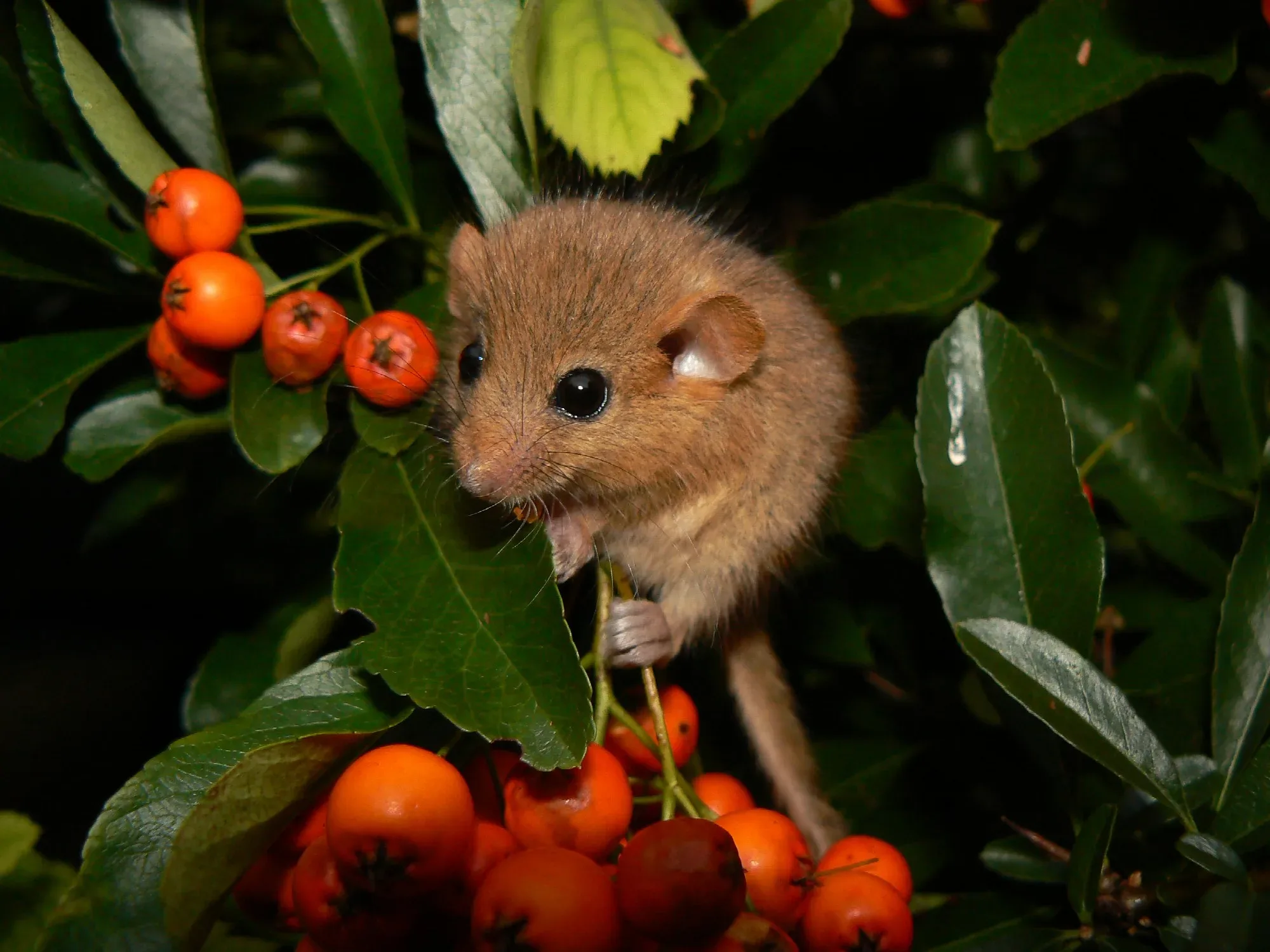
Britain's hazel dormouse, one of the country's best-loved and most threatened mammals, may be starting to recover. A landmark report published on 9 November found that the national population rose by almost 10% between 2020 and 2025, the first sustained sign of improvement after decades of decline.
The State of Britain's Dormice 2026 report, from the wildlife charity People's Trust for Endangered Species (PTES), is the most up-to-date picture of the species. It draws on the National Dormouse Monitoring Programme, which the charity describes as the longest-running small mammal monitoring programme of its kind in the world, tracking sites in England and Wales since 1998.
A welcome upturn, from a low base
The good news comes with an important caveat. Since 2000, dormouse numbers have fallen by 59%, an average decline of 3.5% a year. Even after the recent rise, the population remains critically low, and researchers stress that there is considerable uncertainty around the five-year estimate.
Ian White, Dormouse and Training Officer at PTES, said: "Our findings offer grounds for cautious optimism for dormice, and although the recent upturn is welcome good news, we mustn't lose sight of the bigger picture: populations remain almost 60% lower than they were in 2000."
He added that "creating more wooded, species-rich habitat is critical, as is reconnecting the woodlands, scrub and hedgerows that dormice rely on, to give the species the best possible chance of long-term, sustained recovery."
Why warmer summers may be helping
The recent rise coincides with warmer, drier springs and summers in central England, with spring 2025 exceptionally warm and dry. The report suggests the weather may have produced more fruit and flowers, giving dormice more food and helping them breed.
Dormice are famous sleepers. They hibernate from around October to May, and even in spring and summer they slip into short spells of deep sleep, called torpor, when it is cold and wet or food is scarce. A new study by ecologist Dr Charlotte Armitage, using the programme's data, found that warmer, drier summers could mean dormice enter torpor less often, leaving them more energy for raising young. At monitoring sites where torpor was more common, fewer adults and litters were recorded.
The authors are careful not to overstate it. Prolonged droughts could cut food supplies before hibernation, and unusually mild or wet winters could threaten survival while the animals sleep. Dr Armitage told BBC News: "This is good news, but we can't be complacent."
Three decades of conservation
PTES says more than 1,200 dormice have been released into 27 woodlands in 14 counties since 1993, restoring populations in six English counties where the species had been lost. The charity also plants hedgerows to link woods together, trains land managers and is drawing up a National Dormouse Conservation Strategy.
Nida Al-Fulaij, chief executive of PTES, said: "The recent population increase offers hope that three decades of conservation efforts are beginning to make a difference." But she warned that dormice "are far from out of danger" and that a much greater national effort would be needed to build on the progress.
What it means closer to home
With their caramel fur, big black eyes and fluffy tails, hazel dormice are a flagship species for healthy woods and hedgerows. They have been lost from 20 English counties since Victorian times and are now largely confined to southern England and parts of Wales. The lessons of the report, that connected hedgerows and well-managed woodland make the difference, apply just as much to the green corridors, parks and country edges around Birmingham, where hedgerows support a host of other wildlife.
More in Environment
All
Latest news
Featured posts
-
Things to do
Top 10 places to visit in Birmingham
-
Food and drink
The 12 most popular food spots in Birmingham
-
Things to do
The best laser tag locations in Birmingham