

Richard Parker signs Homes England deal to speed up homes and regeneration
The regional mayor signed a Place Delivery Agreement in Birmingham, with a joint delivery unit and the Birmingham and North Solihull Gateway among four growth corridors.
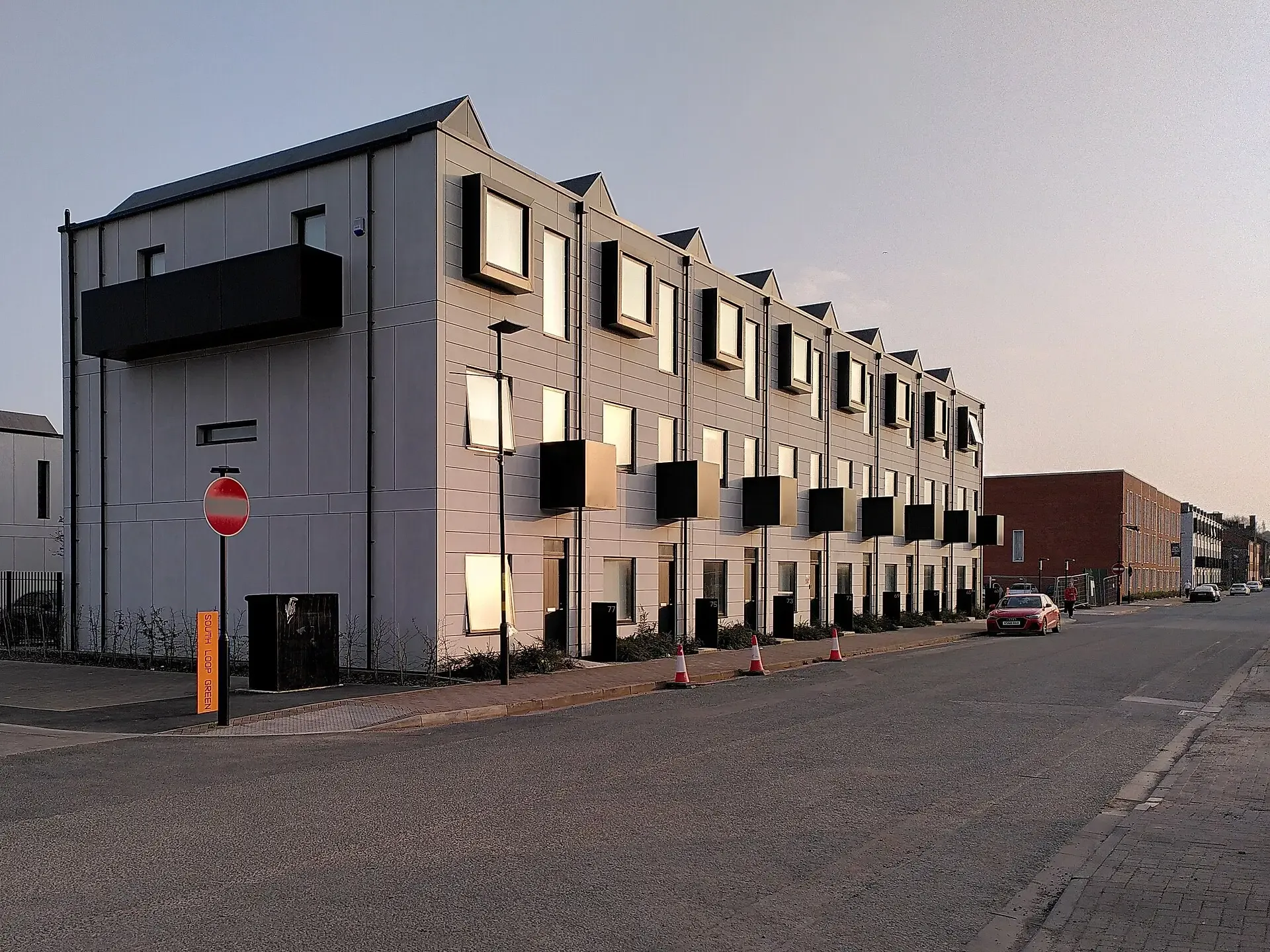
The regional mayor, Richard Parker, has signed a new agreement with Homes England and the National Housing Bank that is designed to speed up house building and regeneration, with the Birmingham and North Solihull Gateway named as one of four growth corridors it will focus on.
The Place Delivery Agreement was signed in Birmingham on Thursday 19 November at Homes England Live, a national event attended by hundreds of housing and regeneration experts, Place Midlands reported.
One plan, one pipeline
The combined authority is part of the first wave of the agreements, which give mayors a stronger role in shaping housing delivery, regeneration and growth. Each one commits the authority, Homes England and the National Housing Bank to a locally led plan with a shared pipeline of priority schemes, the government said.
A dedicated joint delivery unit will bring the three organisations together, co-ordinating access to investment, land assembly and regeneration tools, and sharing staff and expertise, including by working in the same offices where possible.
As well as Birmingham and North Solihull, the agreement will focus on the Coventry Growth Arc, the Black Country Growth Corridor and the Wolverhampton-Walsall Growth Cluster. Similar agreements have been published for South Yorkshire, the East Midlands, the North East, the West of England and the Liverpool City Region.
"In one strike of a pen"
Mr Parker said the deal would speed up decisions and bring the organisations into line with each other.
"It's a level of formal collaboration that didn't exist before," he said. "This agreement, I think, in one strike of a pen aligns those issues and some of those differences."
"We have to be in a position to make decisions in real time on our side of the fence, reflecting the way investors work. The agreement will help us knit that together, it gives a shared purpose, a shared focus and I would say we share the jeopardy of not delivering and I think that's really important."
In a statement released by the government, he said the agreement would "breathe new life into derelict sites, generate thousands of new jobs and create vibrant places that people can build their lives around and be proud to call home".
"We need to be braver"
Speaking on a panel at Millennium Point, Mr Parker also challenged the combined authority itself to move faster.
"I've been clear - we need to be braver, we need to be more agile and we need to get our resources and funding out more quickly than we have done," he said, warning that if regeneration did not make a difference in the poorest communities, trust in democracy would suffer.
Amy Rees, chief executive of Homes England, said the agreements "signal a new chapter of co-delivery firmly rooted in local priorities and backed by national expertise, investment and resources".
What it means for Birmingham
For the city, the practical test will be whether stalled and derelict sites in the Birmingham and North Solihull corridor start moving more quickly. The promise is fewer hand-offs between organisations and faster decisions.
More in Housing and Property
All
Housing and Property
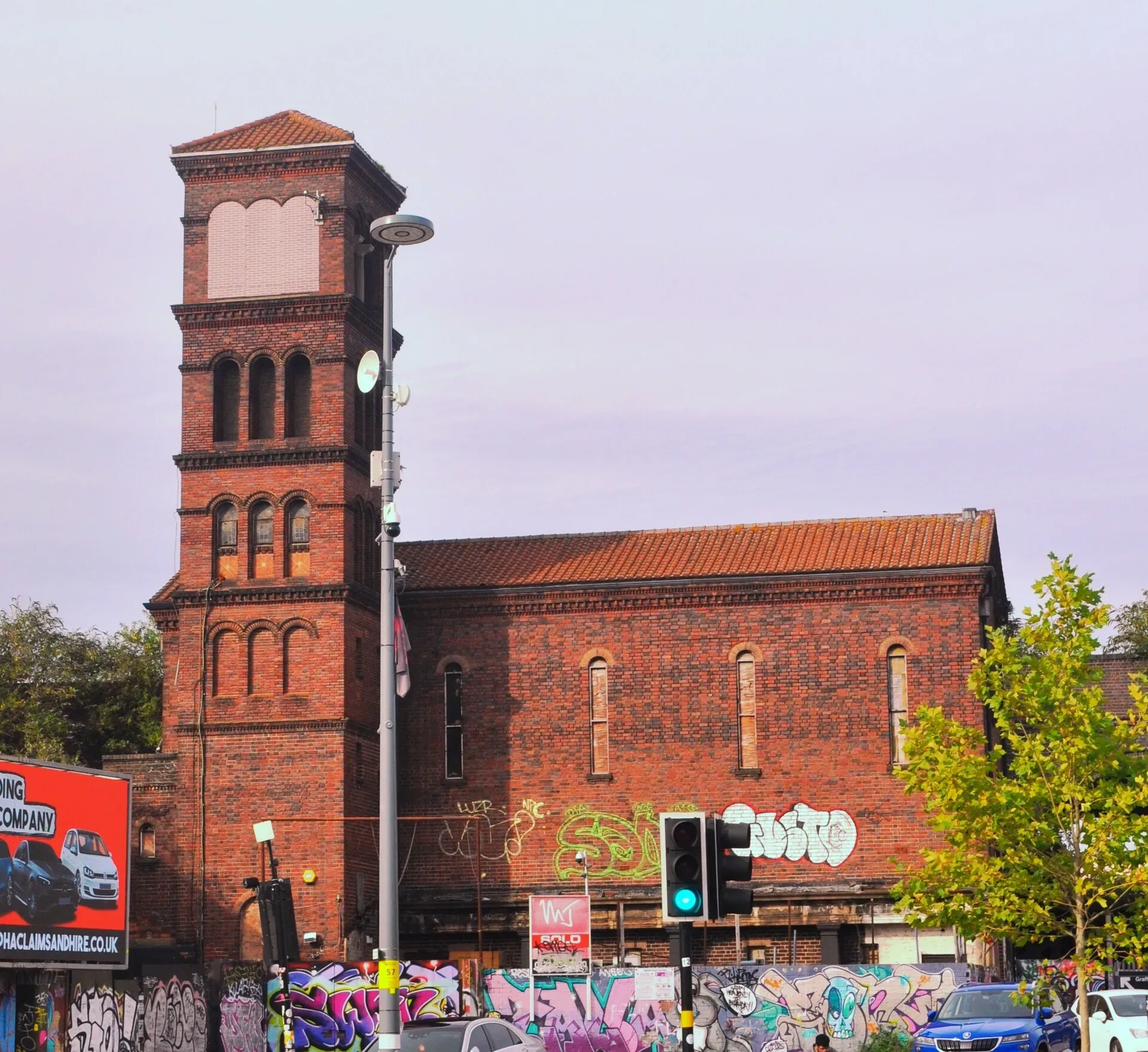
Fire-hit Digbeth chapel could become a 45-room hotel with an Italian-style piazza
Latest news
Featured posts
-
Things to do
Top 10 places to visit in Birmingham
-
Food and drink
The 12 most popular food spots in Birmingham
-
Things to do
The best laser tag locations in Birmingham