

Police to track drones by their digital 'number plates' in £2m trial to stop disruption at events
The London trial will help officers spot illegal drones from further away, while helping medical delivery drones share the skies safely.
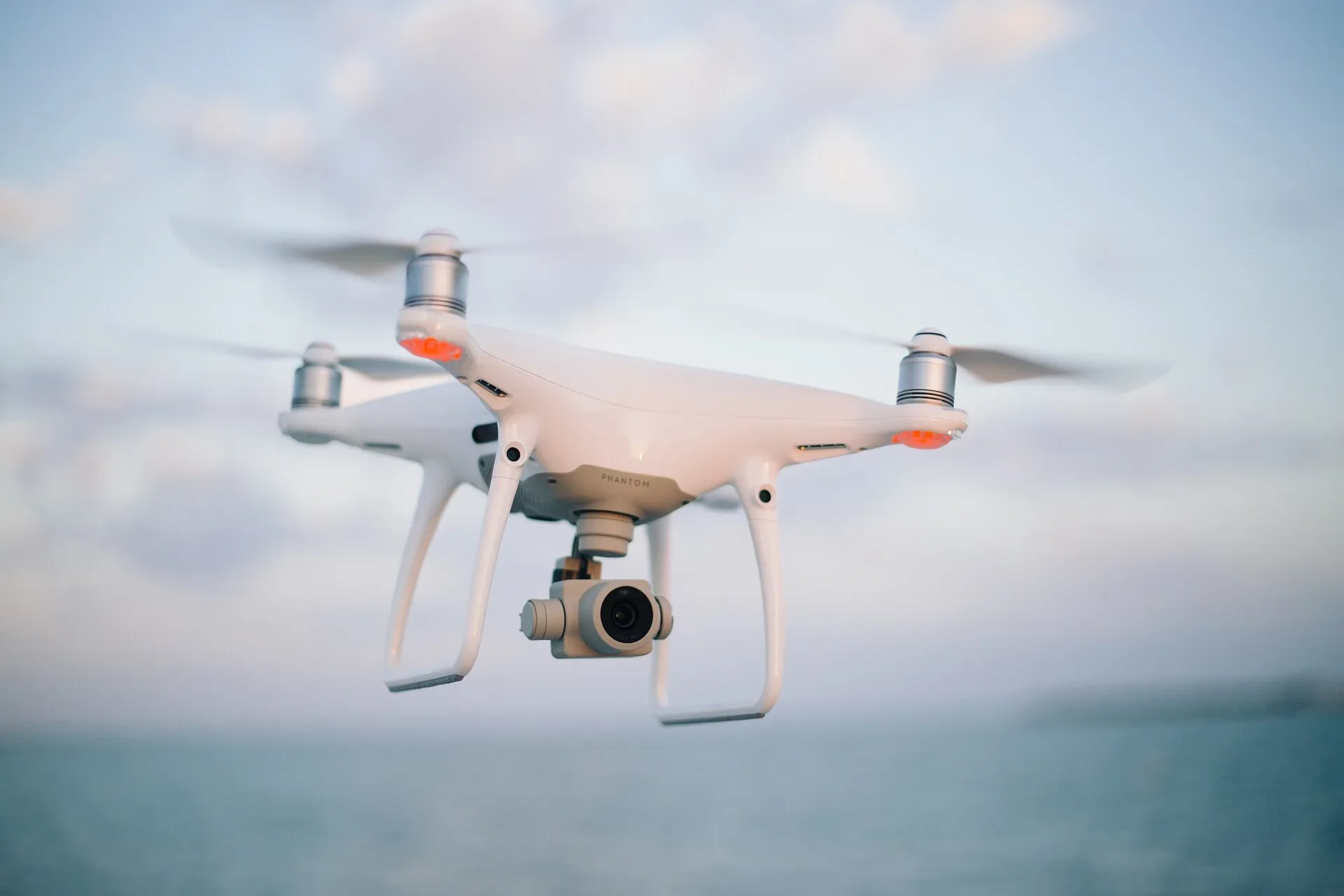
Police are to be given new technology to track drones by their digital "number plates" from much further away, in a nearly £2 million government-backed trial aimed at stopping illegal drones disrupting concerts, football matches and airports.
Drones already broadcast a digital ID showing who they are and where they are, but it can usually only be picked up close by. The London-based trial will equip police with equipment that detects these signals more accurately and from greater distances, giving officers a clearer picture of drone activity across the capital.
Why it is needed
The government says there is growing concern about drones being flown illegally around major events, including disruption at an Arsenal match last month and more than 10 drone seizures around Oasis concerts last year. In October, an aircraft encountered an illegal drone near Heathrow.
Transport Secretary Heidi Alexander said: "Dangerous and nuisance drones can have a real impact by showing up and disrupting major events - not only spoiling the fun but creating a security risk. That's why we're putting new technology in police hands to track the 'number plates of the sky' and crack down on illegal use."
Making room for useful drones
The trial is also designed to help legitimate drones share increasingly busy skies safely, opening the way for more medical deliveries and shopping services. The Department for Transport is providing £1.2 million, with a further £500,000 from the Regulatory Innovation Office for new equipment and infrastructure.
The government estimates that the drone industry could contribute up to £103 billion to the UK economy over the next 25 years, from urgent medical deliveries to retail and inspecting infrastructure.
Louisa Smith, chief operating officer of Apian, which runs NHS drone services, said: "Our NHS drone services are already helping clinicians provide vital care through faster deliveries and quicker test results. Giving the police better tools to identify drones and distinguish authorised operations from potentially illegal activity will help build confidence in the safe and responsible use of drones."
Apian's ambition is to connect hospitals and laboratories across London, delivering pathology samples, medicines, blood and transplant organs wherever they are needed.
Next steps
The government is also developing cloud-based drone tracking software to help end disruption caused by drones around airports and railways.
Why it matters beyond London
Birmingham hosts major concerts and football matches every week, and its airport is one of the busiest in the country. If the trial works, the same technology could help keep events and airports elsewhere safe from nuisance drones, while giving useful services the confidence to grow.
More in Technology
All


Latest news
Featured posts
-
Things to do
Top 10 places to visit in Birmingham
-
Food and drink
The 12 most popular food spots in Birmingham
-
Things to do
The best laser tag locations in Birmingham