

Plans submitted for Birmingham's first Maggie's cancer support centre at the QE
Howells' design for a Maggie's centre on the site of Metchley Roman fort could support up to 20,000 people affected by cancer each year.
Plans for Birmingham's first Maggie's cancer support centre, in the grounds of the Queen Elizabeth Hospital, have been submitted to the city council, with a design that could welcome up to 20,000 people affected by cancer every year.
The Birmingham architects Howells drew up the proposals on behalf of Maggie's, the charity that offers free practical, emotional and social support to people with cancer and their families from 30 locations across the UK, Place Midlands reported.
A calm space beside the hospital
The design sets out a "welcoming, non-clinical environment", a deliberate contrast with the busy wards next door. Howells says the building aims to create a "calm, uplifting and deeply connected relationship with nature", giving visitors spaces that offer dignity, privacy, comfort and moments of reflection.
The Queen Elizabeth Hospital is home to one of the largest cancer centres in England, diagnosing more than 8,000 cancers a year.
Earlier this year Maggie's announced a partnership with The Sir Peter Rigby Charitable Trust to establish the region's first Maggie's centres, in Birmingham and Coventry. Plans for the Coventry centre, at University Hospital, were approved in 2024, and work there is due to begin shortly.
Built on a Roman fort
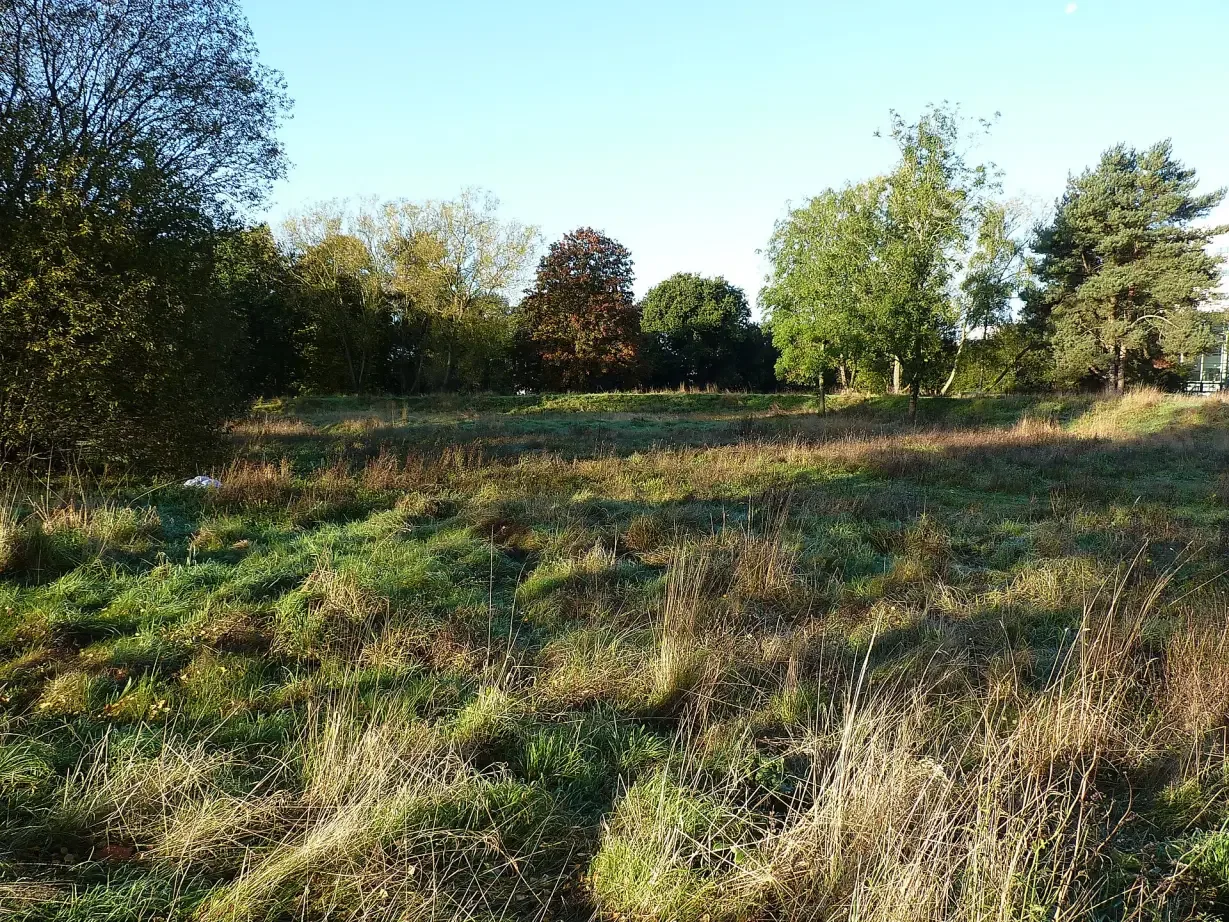
The chosen plot sits on the site of Metchley Roman fort, which dates back to AD 48 and is protected as a scheduled monument. Howells says the design takes its inspiration from the site's Roman history and archaeology, following heritage assessment work by AJ Archaeology and early discussions with Historic England.
To protect the remains, the new centre will reuse the foundations of the 1970s building already on the site, avoiding any disturbance to the monument below.
"How important this facility will be"
Glenn Howells, a partner at the practice, said: "We are honoured to be asked to design Birmingham's new Maggie's centre in our home city where we know how important this facility will be for the thousands of people diagnosed with cancer every year."
"We are hugely grateful to Sir Peter Rigby who is enabling this building to progress as swiftly as possible thanks to his generosity and support."
He thanked the teams at the Queen Elizabeth Hospital and the University of Birmingham, as well as Historic England, for making the site possible.
"The design is intended to make the most of this green and prominent site, by offering visitors connections to nature and terrific views of the undulating fort remains through mature trees," the practice said. It is working closely with Sophie Walker on the landscape, which it hopes will be an uplifting part of every visit throughout the year.
What happens next
Subject to planning permission, work could start as early as next year. The application can be viewed on Birmingham City Council's planning portal under reference 2026/06601/PA.
For the thousands of people in Birmingham who hear the words "you have cancer" each year, and for the families beside them, a place to sit, talk and catch their breath a few steps from the hospital could make a real difference.
More in Health
All

Latest news
Featured posts
-
Things to do
Top 10 places to visit in Birmingham
-
Food and drink
The 12 most popular food spots in Birmingham
-
Things to do
The best laser tag locations in Birmingham