

People with diabetes should control their own device data, says charter co-led by the University of Birmingham
The Diabetes Data Rights Charter sets five principles for the round-the-clock data from glucose monitors and insulin pumps, from access to meaningful consent.
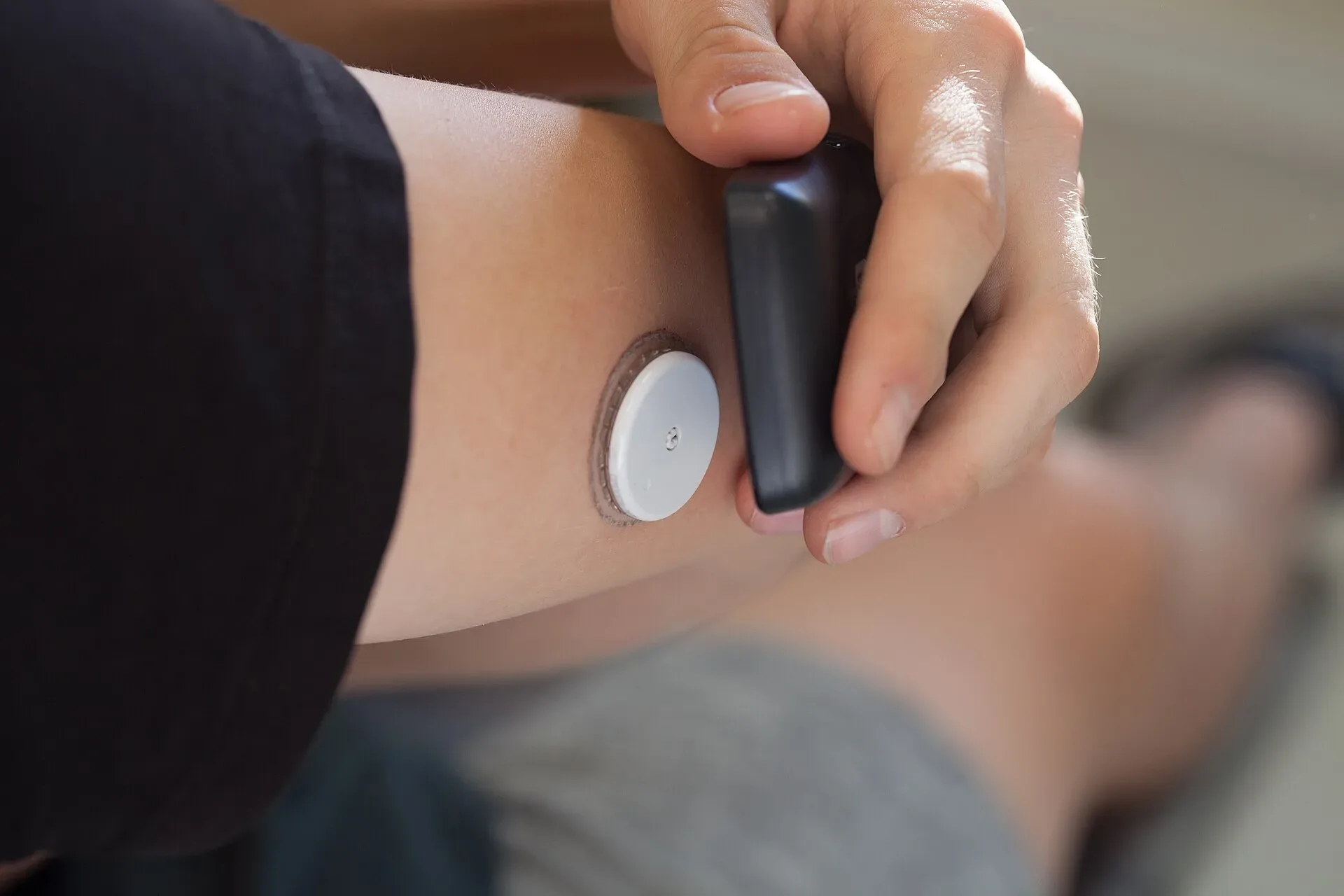
People with diabetes should be able to see, download and control the round-the-clock health data produced by their glucose monitors and insulin pumps, according to a new international charter co-led by the University of Birmingham.
The Diabetes Data Rights Charter was developed over 18 months by people living with diabetes, clinicians, researchers and patient advocates. It sets out five principles for how device makers and others should handle the data, and aims to become a new benchmark for best practice across the diabetes technology industry.
Devices that changed lives, and data people cannot reach
Continuous glucose monitors (CGMs), insulin pumps and automated insulin delivery systems generate vast amounts of highly personal health data, but people with diabetes often have limited access to it, or little say over how it is collected, shared and used.
Project co-leader Muireann Quigley, Professor of Law, Medicine, and Technology at the University of Birmingham, said: "Across the world, people with diabetes have had their quality of life improved by smart medical devices, such as continuous glucose monitors and automated insulin pumps, to help them manage their diabetes. However, as with most kinds of modern technology, questions around access to and control of the data gathered by these devices and their manufacturers remain fraught."
"This Charter aims to establish a new benchmark for best practice across the diabetes technology sector, allowing people with diabetes to have better transparency and control when it comes to their data."
Five principles
The charter is built around five principles, each with accompanying rights:
Data access: real-time data, available safely and securely, when and where people choose, in a format they can use.
Privacy and security: data stored and transferred privately and securely.
Benefits and interests: the needs of those most affected come first.
Choice and control: meaningful consent over what is shared, with whom and why.
Accountability and transparency: openness about how data are collected, stored and used.
It also raises concerns about "bundled" or "coerced" consent, where users must agree to wide data-sharing to keep key features of a device working, and calls for more openness about how the data is used to develop products and algorithms.
"I have rights over the health data generated by my body"
Tim Street, who lives with type 1 diabetes and writes about diabetes technology on his blog, Diabettech, said: "CGMs and apps have dramatically improved my life with type 1 diabetes, but I've lost the ability to look back at the granular data. Access to my data in the format I want, not only how a manufacturer decides I should get it, is one of the many reasons why this Charter is important to me."
Co-lead Dr Shane O'Donnell, a Research Fellow at University College Dublin who also lives with diabetes, said people "care intimately about the data they rely on to make life-or-death decisions every single day."
The charter's principles fit with existing data laws, including UK and EU GDPR, but go further, setting out best practice for everyone entrusted with this data. It adds to Birmingham's growing record in diabetes care: last week, the first UK patient was given a drug to delay type 1 diabetes at the Queen Elizabeth Hospital Birmingham.
More in Health
All

Latest news
Featured posts
-
Things to do
Top 10 places to visit in Birmingham
-
Food and drink
The 12 most popular food spots in Birmingham
-
Things to do
The best laser tag locations in Birmingham