

'Nobel Prize of Gastronomy' goes to Mexican farmer saving the floating farms where wild axolotls live
Lucio Usobiaga wins the 2026 Basque Culinary World Prize for Arca Tierra, which helps 50 families farm Mexico City's ancient chinampas and supplies 60 restaurants.
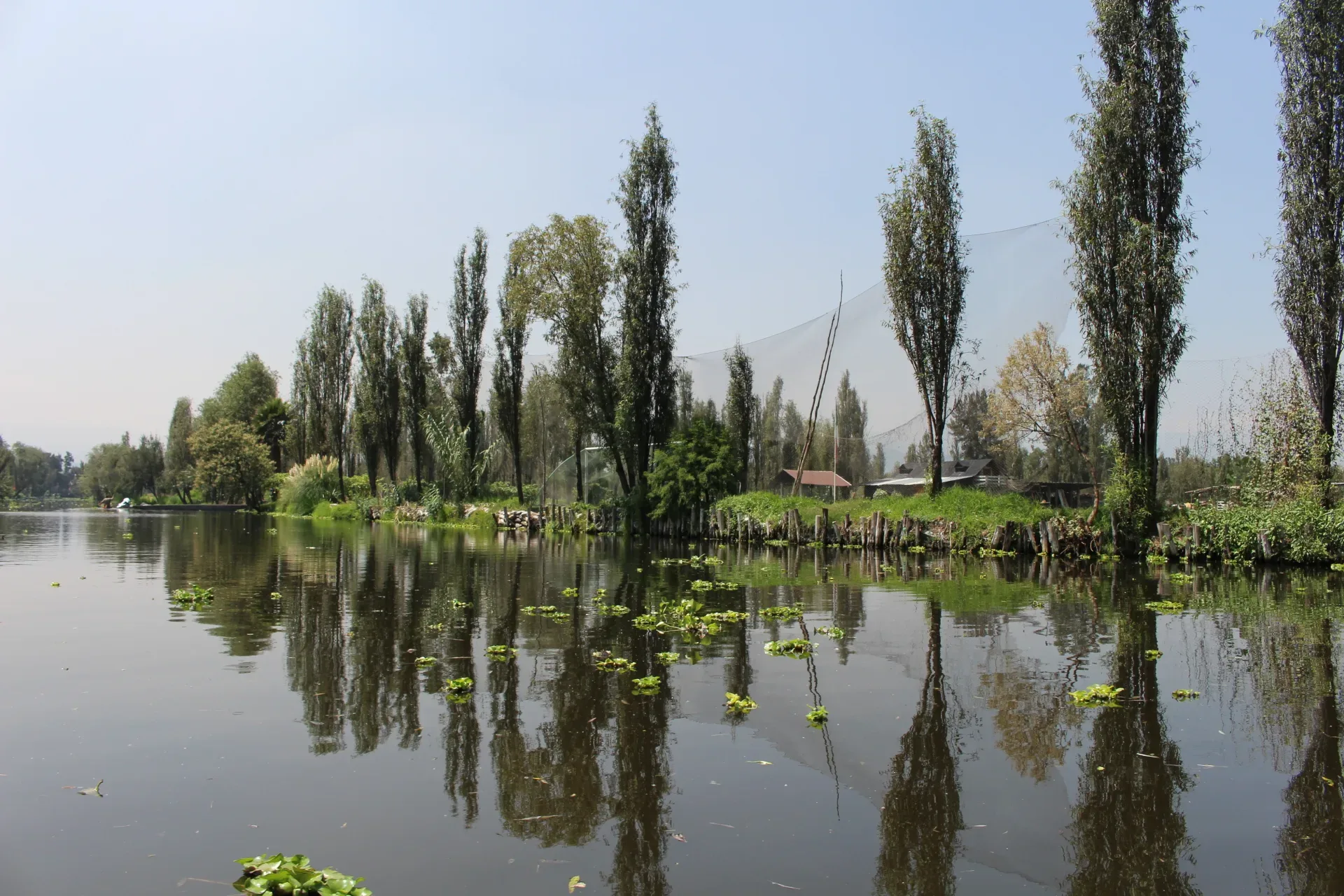
A Mexican farmer and food campaigner who helps save Mexico City's ancient floating farms, and with them the last wild home of the axolotl, has won the 2026 Basque Culinary World Prize, often called the "Nobel Prize of Gastronomy".
Lucio Usobiaga won for Arca Tierra, a network of farmers and the culinary community that helps preserve the city's traditional chinampa system of farming, Mongabay reported. The prize, created in 2016 by the government of Spain's Basque region and the Basque Culinary Center, awards 100,000 euros to a project chosen by the winner.
Farming on islands in a lake
The chinampas are an ancient, pre-Aztec system of small artificial islands of farmland built in the wetlands of Xochimilco, in the south of Mexico City. Traditional farmers known as chinamperos still grow flowers, maize, beans and vegetables on them.
Arca Tierra farms 6 hectares, about 15 acres, of chinampas and works with 50 farming families across Xochimilco, Puebla, Hidalgo and the state of Mexico. Their farms supply around 60 restaurants in Mexico City with fresh produce.
The soil, rich in organic matter from lake sediments, gives the food a special flavour. "I can tell, like from the first bite, when I'm eating a beet from the chinampas," Mr Usobiaga told Food & Wine magazine.
"Chinampero resistance is strong"
He told Mongabay that the chinampero farmers have lived and worked there for thousands of years, and that their work has mostly gone unseen.
"Mexico City's future is tied to the chinampas because of the water they filter back to the aquifer, the carbon they sequester, the biodiversity they hold, and the culture they sustain," he said. "Chinampas are being lost to urbanization and abandonment. Chinampero resistance is strong, but they need help in many ways."
He hopes the prize will draw young people to the work. "I am sure international recognition is helping to encourage young people to know the chinampas and some to work there. After all, it is a powerful place of great beauty and cultural importance."
A refuge for the axolotl
The chinampas are the last remaining habitat of the wild axolotl, the Mexican salamander famous for its smiling face. "Our basic premise is that the chinampero farmer is the guardian and custodian of the chinampas. That includes its canals and the animals that live there," Mr Usobiaga said.
"We have helped develop biofilters that leave out predators and clean the water so that the axolotl can live in there. Also, the kind of agriculture we promote does not use toxic chemicals, to the contrary, traditional farming and agroecology help restore ecosystemic services."
He suggests people can help by buying produce grown by chinamperos, visiting the chinampas, and paying farmers for the services their land provides to nature.
More in Awards and Honours
All


Latest news
Featured posts
-
Things to do
Top 10 places to visit in Birmingham
-
Food and drink
The 12 most popular food spots in Birmingham
-
Things to do
The best laser tag locations in Birmingham