
New Respect Orders come into force to tackle antisocial behaviour
Courts can now ban persistent offenders from town centres, impose curfews and order treatment, with up to two years in jail for breaches.
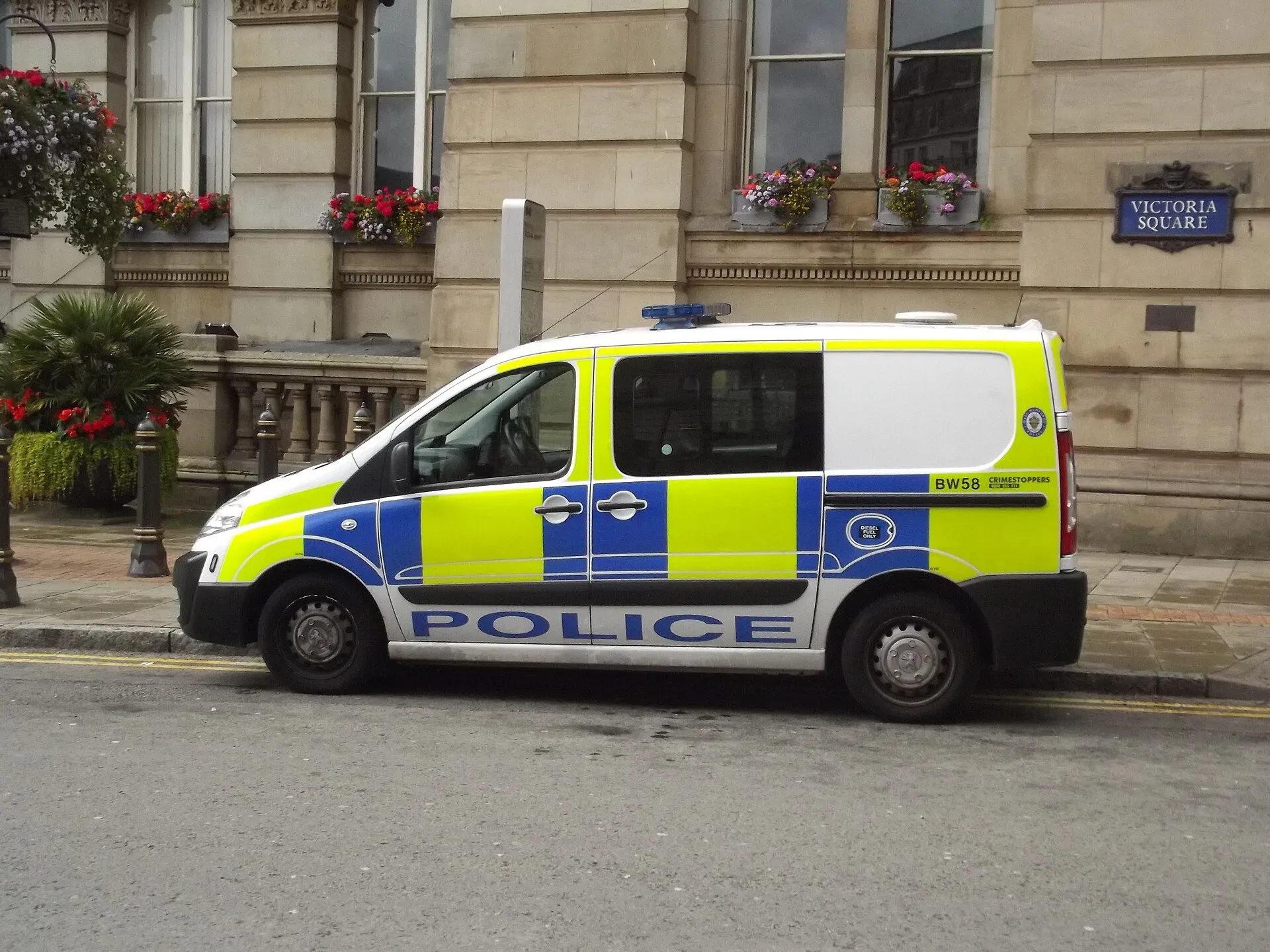
New Respect Orders came into force across England and Wales today, giving police, councils and housing associations stronger powers to deal with adults who repeatedly blight their neighbourhoods with antisocial behaviour.
The orders were introduced by the Home Secretary, Shabana Mahmood, the MP for Birmingham Ladywood, who said: "Unchecked, antisocial behaviour blights our communities. But it is not inevitable and I won't accept it."
What a Respect Order can do
Courts can use the orders to ban offenders from town centres, or stop them drinking in public hotspots such as high streets and parks. They can also impose unlimited fines and tough community punishments, including curfews and hours of volunteering.
Crucially, courts can also order offenders to tackle the causes of their behaviour, from drug or alcohol treatment to anger management courses, rather than simply returning them to the streets to start the cycle again. That is a key difference from the old ASBOs.
Breaking a Respect Order is a criminal offence. Police can arrest anyone who ignores the conditions, and those who flout an order could face up to two years in prison. Orders will be logged on the Police National Computer, so officers dealing with someone can check whether one is in place.
Who can apply
As well as police and councils, a wide range of organisations can apply for an order, including housing associations and transport networks. To receive one, a person must have caused, or threatened to cause, harassment, alarm or distress, a broad description designed to capture a wide range of behaviour. The orders replace civil injunctions for adults.
They apply only to people aged 18 and over. The government says it does not want to give children criminal records unnecessarily, and under-18s can still be given a youth injunction instead.
Part of a wider toolkit
The orders sit alongside other new measures. Police no longer have to issue a warning before seizing vehicles linked to antisocial behaviour, which will help tackle noisy car meets. Dispersal powers have been extended from 48 to 72 hours, and fines for breaching community protection measures have gone up from £100 to £500.
The government also says it has put 3,800 more neighbourhood police and support officers into communities, and every force now has a lead officer for antisocial behaviour, with police expected to answer neighbourhood queries within 72 hours.
"Those who make life a misery"
Ms Mahmood said: "For too long, we have lacked the powers we need to deal with this problem properly. From today, that changes: authorities will be able to take tough action against these offenders." She added: "Those who make life a misery for others will now face the consequences of their actions."
Neighbourhood Watch welcomed the change. Its chief executive, John Hayward-Cripps, said: "If used effectively, they have the potential to provide agencies with stronger tools to tackle repeat offending and help restore confidence in local communities."
For residents in Birmingham living with persistent nuisance on their streets, the test will be how often the new orders are used, and how quickly.
More in Crime and Safety
All


Latest news
Featured posts
-
Things to do
Top 10 places to visit in Birmingham
-
Food and drink
The 12 most popular food spots in Birmingham
-
Things to do
The best laser tag locations in Birmingham