
Domestic abuse specialists now in police 999 control room seven days a week
The force has expanded Raneem's Law so specialist advisers work alongside call handlers every day of the week.
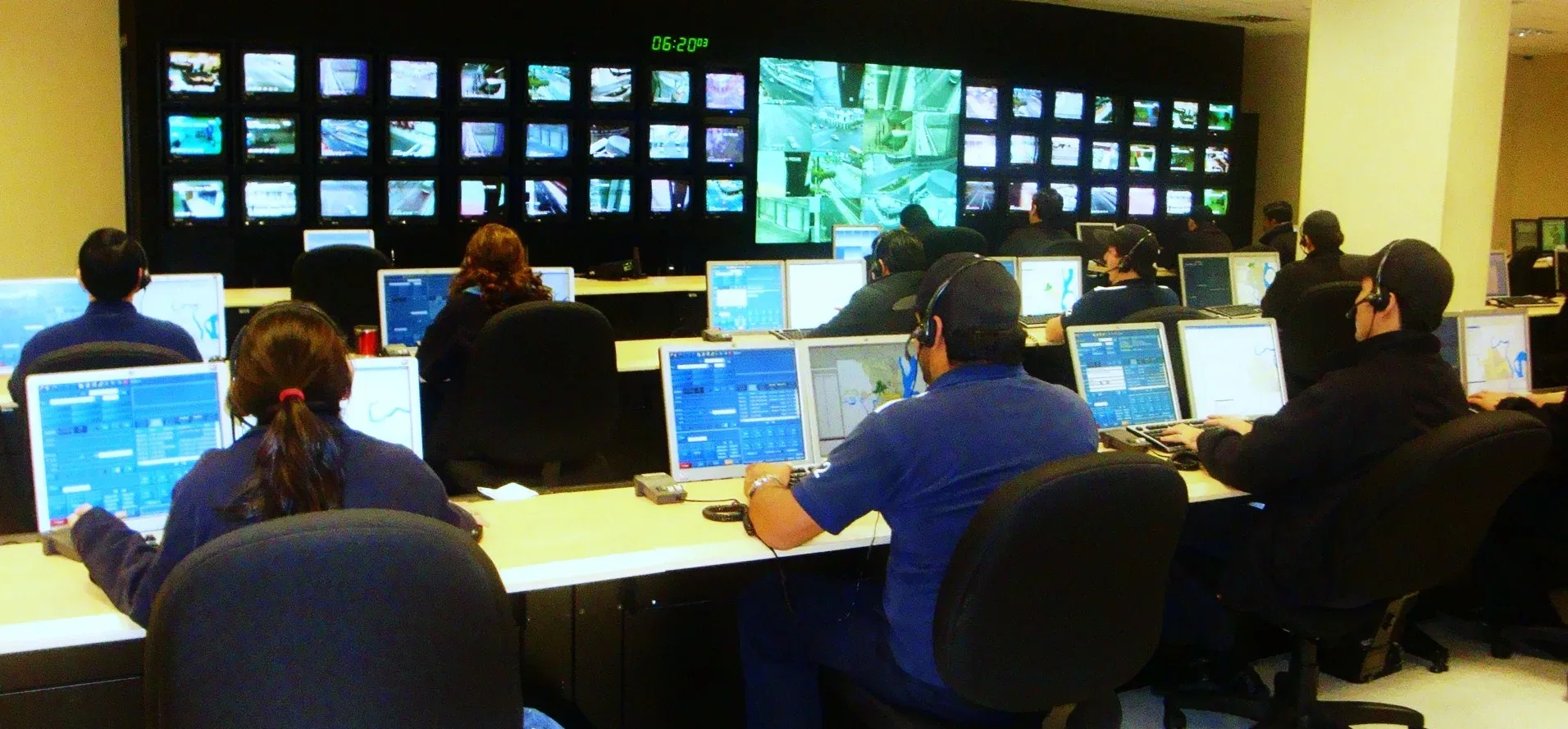
Specialist domestic abuse advisers are now working alongside Birmingham police's 999 call handlers seven days a week, after the force expanded its Raneem's Law service.
Raneem's Law places independent domestic abuse specialists in police control rooms, so that people calling for help get expert support and their risk is properly assessed from the very first call. In its first phase, the service ran from Monday to Thursday. It now covers every day of the week, including late shifts.
"Seven days a week"
The expansion was discussed at an accountability and governance board meeting of the police and crime commissioner, where Victims Advocate Natalie Queiroz asked how it had been embedded in the force's work.
Chief Superintendent Tony Hawkins said: "The expansion in phase one was on Monday to Thursdays. We're now on to seven days a week so days and late cover."
He was honest about the challenges. Charities providing the specialists usually work on contracts from Monday to Friday, 8am to 4pm, which makes evening and weekend cover harder to staff.
"We're working with those charities to ensure we've got that but we're using our own staff that have been through the SafeLives programme to make sure we've got that cover and we're delivering that service," he said.
"I'm really happy we're seeing that. We listen to calls, look at the gradings ensuring we've got that risk appropriately."
Learning from every call
Where staff find a call's risk was not graded correctly, feedback goes back to the individual call handlers and their supervisors, so that trends can be spotted. The manager of the force's vulnerability desk also speaks to every new group of call handlers during their training about the importance of the work.
Named after Raneem Oudeh
Raneem's Law was introduced in memory of Raneem Oudeh and her mother, Khaola Saleem, who were murdered by Raneem's ex-partner in Solihull in 2018. It aims to transform the emergency response to domestic abuse by putting specialist advisers directly alongside police call handlers, improving risk assessments and speeding up early help.
During an initial pilot from March 2025 to March 2026, specialists from Birmingham and Solihull Women's Aid and Coventry Haven Women's Aid reviewed almost 5,000 domestic abuse-related calls to the force.
Getting help
Anyone in immediate danger should call 999. If you cannot speak, call 999 and press 55 when prompted. Birmingham and Solihull Women's Aid and the National Domestic Abuse Helpline, on 0808 2000 247, offer free, confidential support around the clock.
More in Crime and Safety
All

Latest news
Featured posts
-
Things to do
Top 10 places to visit in Birmingham
-
Food and drink
The 12 most popular food spots in Birmingham
-
Things to do
The best laser tag locations in Birmingham