

New regional water councils to give communities a say over sewage, floods and drought
Eight councils will bring local leaders, customers and businesses together to shape billions of pounds of water investment.
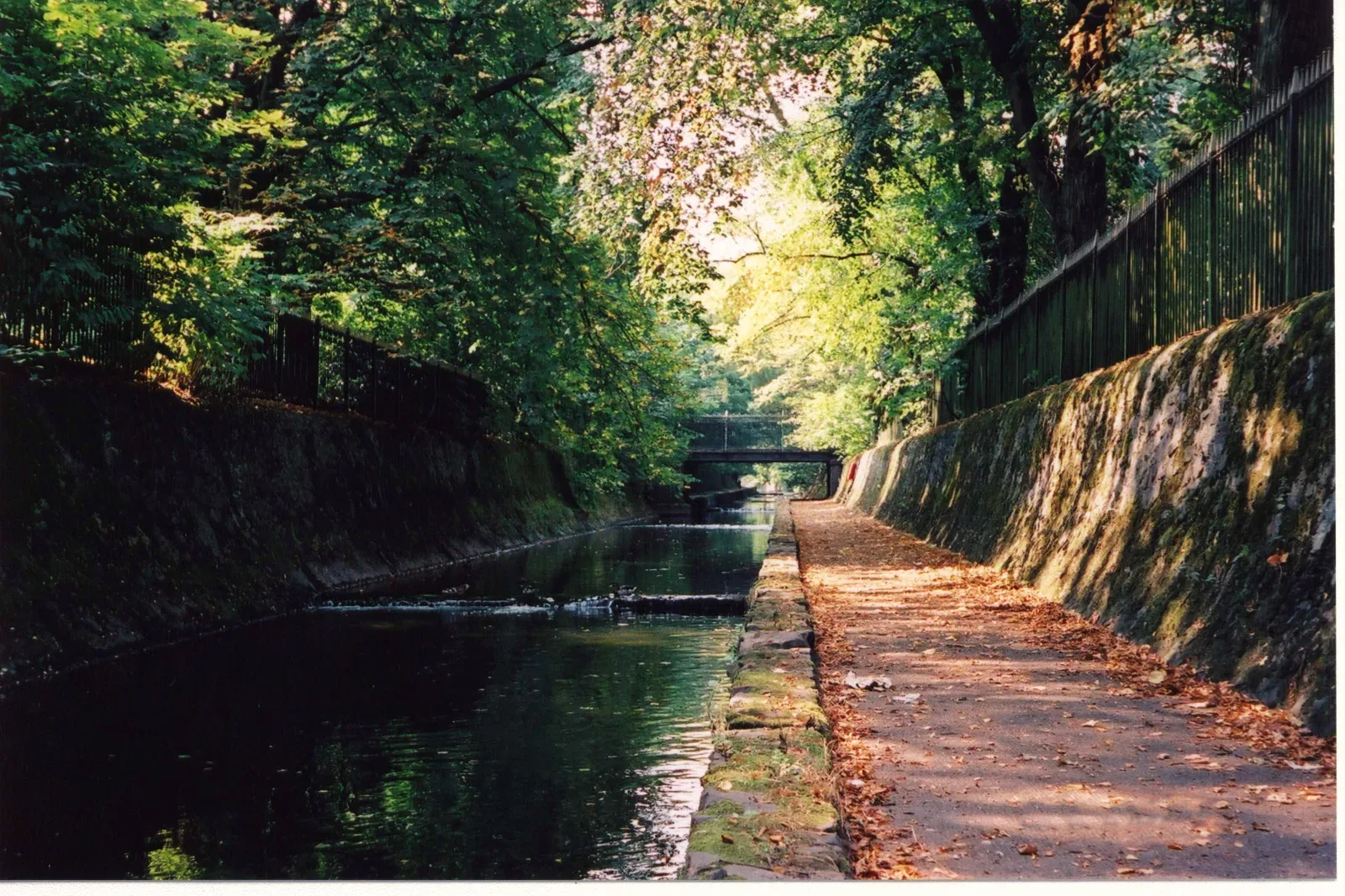
People in Birmingham could soon have more say over how billions of pounds is spent on the water system, from cleaning up rivers to preventing floods, under government plans for eight new regional water councils across England.
The councils will bring local leaders, customers and businesses together to set the priorities for their region, helping to shape investment in water and flood infrastructure. Mayors will also get new powers through a strengthened Water Bill to hold water companies to account.
Local voices on sewage, floods and drought
At the moment, decisions about the water system are taken nationally, even though different places face very different problems. The government points to Lake Windermere, where sewage discharges have damaged tourism, and Cambridge, where drought and water shortages have held back growth.
The new councils will give communities a stronger voice on priorities including sewage and water quality, flooding, drought and future water supplies. Local leaders have been asked to submit proposals on how they want to run them by the end of the year. Each council will then draw up a plan setting out the biggest pressures on its region's water system and the investment needed to tackle them.
"A real say"
The Prime Minister, Andy Burnham, said: "I know how desperate people are for change when it comes to water. I share their frustration at seeing sewage and pollution blight our rivers, lakes, and seas, while decisions about their local areas are taken miles away."
"So for the first time, local people will have a real say over what they need from their water company, whether that is cleaning up polluted rivers, building new reservoirs or protecting homes from floods."
Environment Secretary Dame Angela Eagle said: "I am determined to put the public at the heart of decision-making - shaping what their bills will be spent on, so they can see real differences happening in their communities."
Nature groups welcome it, with a condition
Richard Benwell, chief executive of Wildlife and Countryside Link, said: "Regional control of water investment could be a victory for people and nature." But he added that the new councils "must have the powers and funding to deliver".
Mark Lloyd, chief executive of The Rivers Trust, said it was "encouraging to see the government recognise" the need for a region-wide approach.
Birmingham's rivers
Birmingham's own rivers, including the Rea, the Tame and the Cole, run through parks and neighbourhoods across the city, and local groups have long campaigned to make them cleaner and better cared for. The city is also no stranger to flash flooding after heavy downpours.
The details of how the region's council will work, and who will sit on it, are still to be decided. Further details on the government's plans for the water industry will be set out in a 10-year plan later this year.
More in Environment
All

Latest news
Featured posts
-
Things to do
Top 10 places to visit in Birmingham
-
Food and drink
The 12 most popular food spots in Birmingham
-
Things to do
The best laser tag locations in Birmingham