

New HIV diagnoses fall again, with the first drop in years among Black African men and women
UK diagnoses fell 9% in 2025 and record numbers are using PrEP, but four in ten people in England are still diagnosed late.
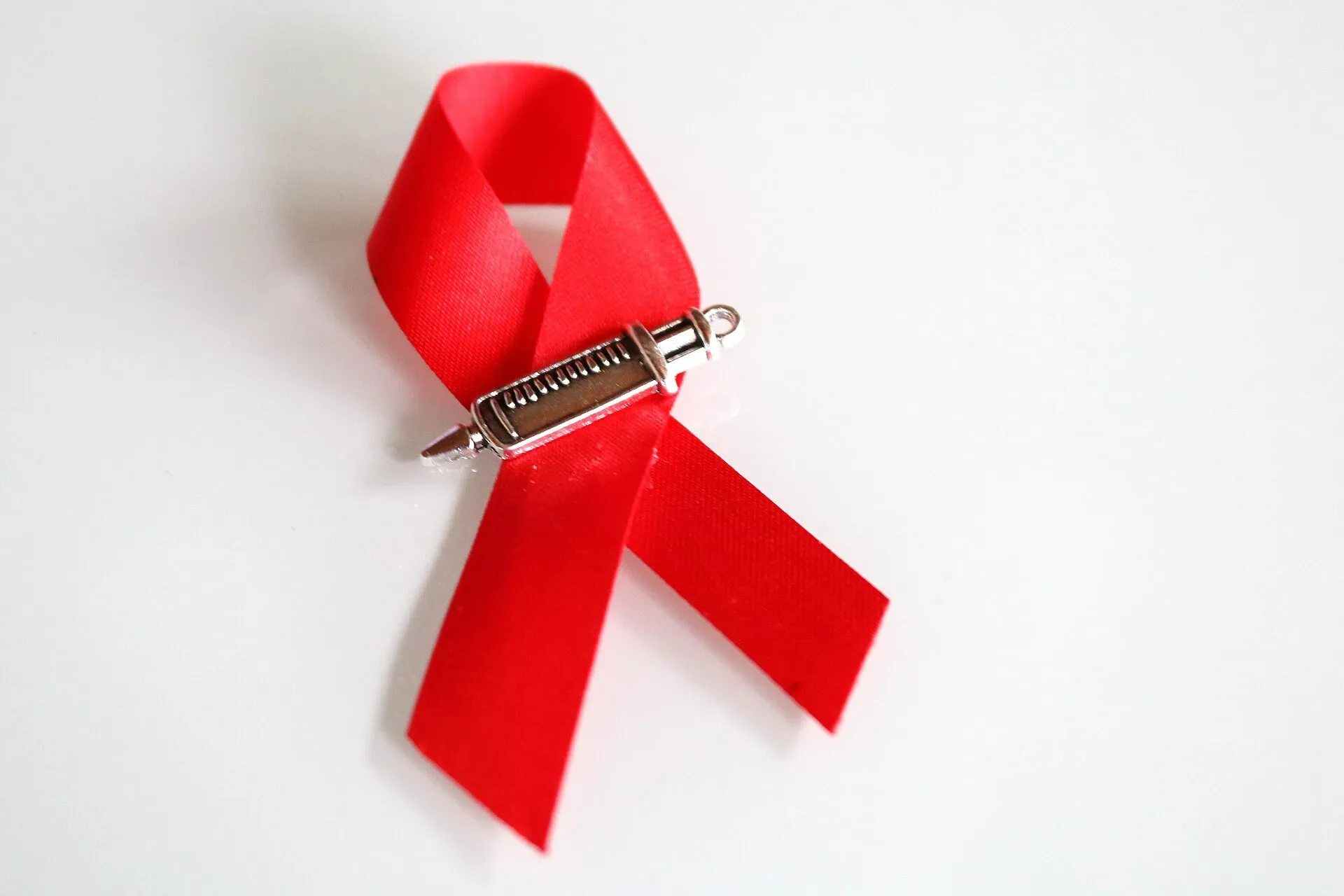
New HIV diagnoses in the UK have fallen again, with the first drop in several years among Black African heterosexual men and women, according to the latest figures from the UK Health Security Agency (UKHSA).
New diagnoses fell by 9% across the UK, from 3,117 in 2024 to 2,823 in 2025. In England they fell by 7%, from 2,789 to 2,604. The figures come days before World AIDS Day on 1 December, and show further progress towards the national goal of ending new HIV transmissions by 2030.
Narrowing inequalities
Diagnoses among Black African heterosexual men fell by 23%, from 274 to 210, and among Black African heterosexual women by 18%, from 434 to 358, even though more people in those groups were tested than the year before. UKHSA calls these "promising signs that inequalities are narrowing".
Diagnoses fell more steeply among women overall, by 12%, than among men, by 4%. Among White gay and bisexual men they fell by 11%.
Treatment remains very successful: 99% of adults receiving HIV care in England are on treatment, and deaths from all causes among people with HIV fell by 6%, from 702 to 660.
More testing, more PrEP
More people are being tested at sexual health services, 1,346,107 in 2025, and 120,159 received pre-exposure prophylaxis, or PrEP, the medication that protects against HIV. Opt-out testing for bloodborne viruses in emergency departments, which began in 2022, now accounts for 16% of all new HIV diagnoses, up from 6%.
Dr Tamara Djuretic, head of the HIV section at UKHSA, said: "It's excellent to see new HIV diagnoses continuing to decrease overall, particularly among Black African heterosexual men and women for the first time in several years."
"HIV tests and prevention medication, PrEP, are free and confidential through the NHS and local sexual health services, so please do get tested regularly if you're sexually active. If you do test positive, HIV treatment is highly effective, and you can expect to live a long, healthy life."
Health minister Baroness Merron said: "Today's HIV figures show real progress and lives are being changed for the better. More people are getting tested, fewer are being diagnosed, and record numbers are accessing PrEP - a medication that protects against HIV."
The challenges that remain
The figures are not all good news. Diagnoses rose by 13% among gay and bisexual men from ethnic minority backgrounds, from 286 to 322. And 43% of people diagnosed in England were diagnosed late, unchanged from the year before, rising to 54% among heterosexual men. Late diagnosis can have serious consequences for a person's health.
PrEP use is also uneven: uptake among eligible gay and bisexual men is 82%, but only 29% for Black African heterosexual women and 18% for Black African heterosexual men.
Richard Angell, chief executive of Terrence Higgins Trust, said: "Ending new HIV cases in the UK by 2030 is still within reach, but to achieve our shared goal the pace of progress must increase. These figures show that when government takes bold action, lives are changed."
Getting tested in Birmingham
The 2030 target in the HIV Action Plan is fewer than 550 new diagnoses a year. As UKHSA points out, HIV tests and PrEP are free and confidential through the NHS and local sexual health services, including those in Birmingham, so anyone who wants to know their status can find out quickly and privately.
More in Health
All

Latest news
Featured posts
-
Things to do
Top 10 places to visit in Birmingham
-
Food and drink
The 12 most popular food spots in Birmingham
-
Things to do
The best laser tag locations in Birmingham