

Peppermint oil lowered blood pressure in just 20 days, small study finds
Adults with mildly raised blood pressure saw readings fall by about 8.5 points more than a placebo group, though researchers say more work is needed.
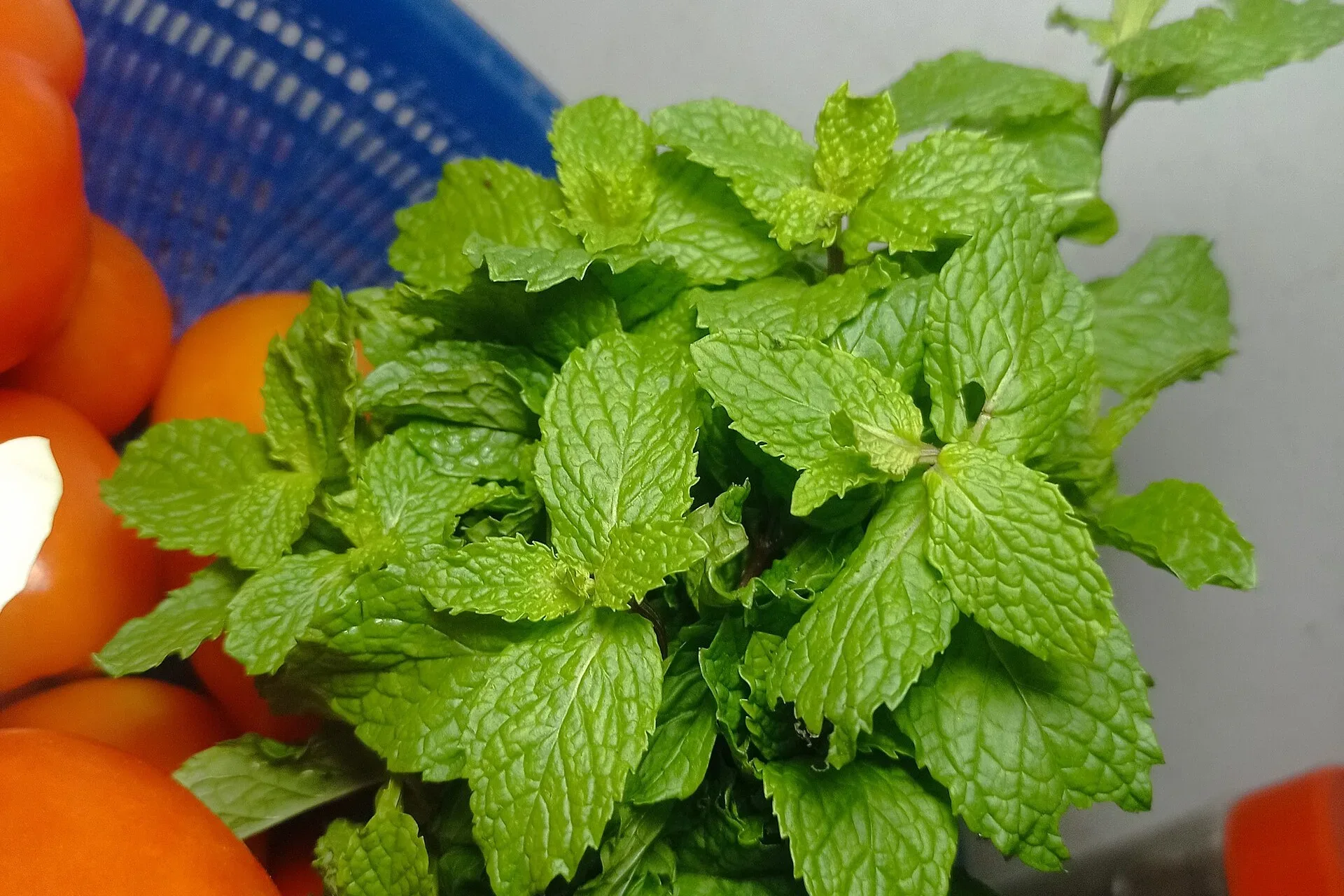
A daily dose of peppermint oil lowered blood pressure in people with mildly raised readings in just 20 days, according to a small study that researchers say points to a cheap, natural way of helping to manage the condition.
Researchers at the University of Lancashire found that participants who took small amounts of food-grade peppermint oil twice a day saw their systolic blood pressure, the top number in a reading, fall from about 130 to 122. Those given a placebo saw almost no change.
How the study worked
The randomised study, published in the journal PLOS One, involved 40 adults aged 18 to 65 with raised blood pressure or stage 1 hypertension, an early stage of high blood pressure.
Half took 100 microlitres of peppermint oil a day, a tenth of a millilitre, split into two doses diluted in water. The other half took a peppermint-flavoured placebo with none of the active compounds. After adjusting for their starting levels, the peppermint group's systolic readings were an average of 8.5 mmHg lower than the placebo group's.
Why it might work
Peppermint contains menthol, which gives it its cooling feel, and flavonoids, plant compounds with antioxidant properties. It also has anti-inflammatory properties and may help blood vessels relax and widen, letting blood flow more easily and reducing pressure on artery walls. The researchers say the exact mechanisms still need more investigation.
"A huge amount of money to treat"
Lead author Dr Jonnie Sinclair, Reader in Sport and Health Sciences, said: "High blood pressure is one of the biggest causes of heart disease and death worldwide, and it costs a huge amount of money to treat. Although medicines are commonly used to treat it, it's not always clear how well they work in the long-term, and they can cause unwanted side effects."
Persistently high systolic blood pressure can damage blood vessels over time and raise the risk of heart attacks, strokes and heart failure.
A note of caution
This was a small, short study, and the researchers say more work is needed. It does not mean that people should stop taking prescribed blood pressure medication or start dosing themselves with peppermint oil. The study used small, carefully measured amounts of food-grade oil.
Anyone worried about their blood pressure can get it checked for free at many pharmacies or at a GP surgery, and adults aged 40 to 74 in England can ask for a free NHS Health Check. Knowing your numbers is the first step towards bringing them down.
More in Health
All

Latest news
Featured posts
-
Things to do
Top 10 places to visit in Birmingham
-
Food and drink
The 12 most popular food spots in Birmingham
-
Things to do
The best laser tag locations in Birmingham