

Aston-led study finds six-day membrane treatment brings lasting relief from severe dry eye
A 'windowed' amniotic membrane cut symptoms by 36% for three months, and far fewer patients gave up on it because they could still see clearly.
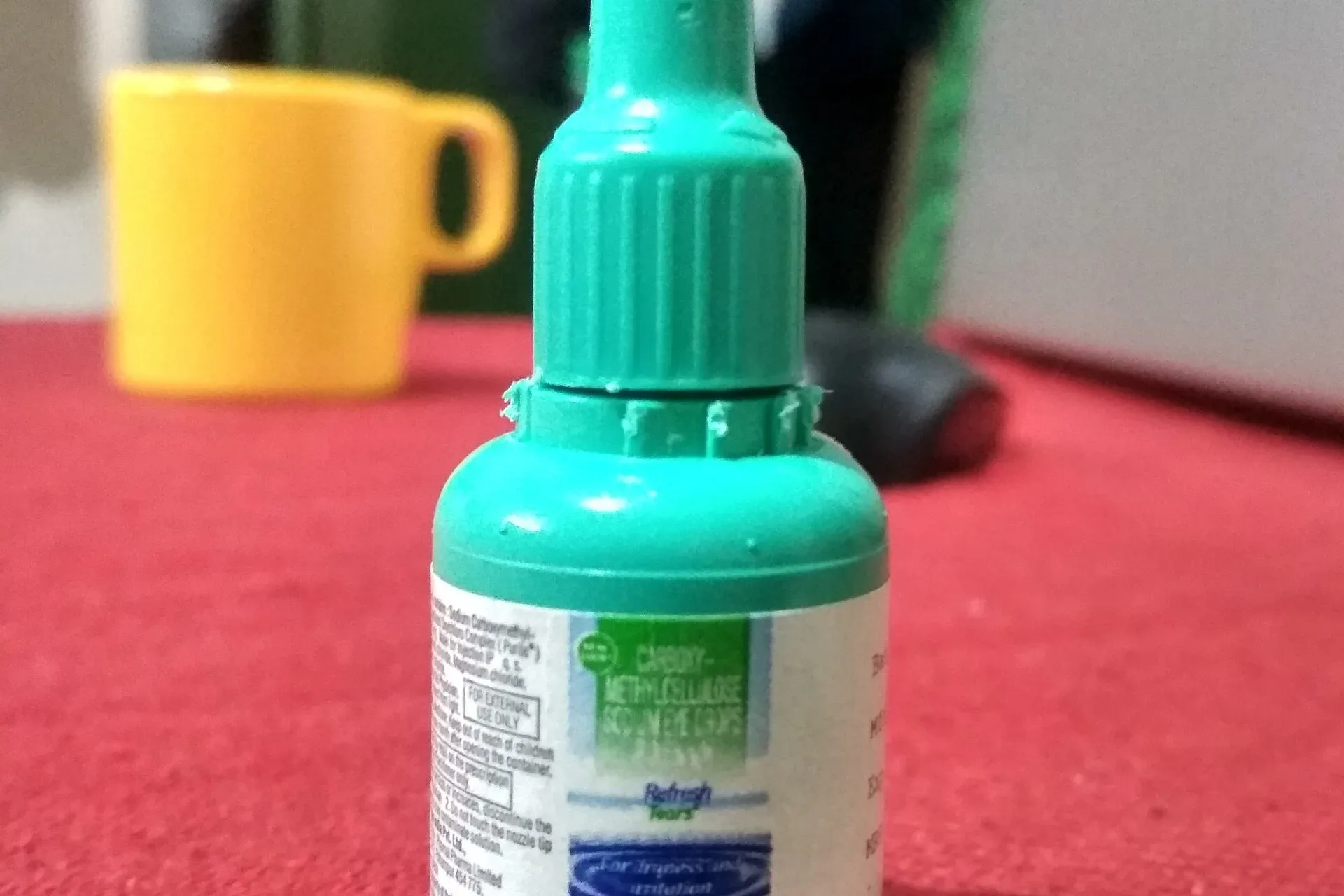
A single six-day treatment for stubborn dry eye disease has given patients lasting relief, in a study led by Aston University in Birmingham, raising hopes for the millions of people whose gritty, sore eyes do not respond to ordinary drops.
Dry eye disease affects around a third of adults. The eyes either do not make enough tears or make poor-quality tears that do not keep the surface of the eye properly lubricated, causing gritty, itchy or stinging eyes, watering, redness, sensitivity to light and temporary blurred vision.
A patch under a contact lens
The treatment uses a dehydrated amniotic membrane placed under a bandage contact lens, where it acts as a biological patch. The membrane slowly releases natural growth factors and proteins that reduce inflammation, help nerves regenerate and help the surface of the cornea regrow healthy tissue. The contact lens holds the membrane in place and protects the eye from the friction of blinking.
Traditional membranes can blur vision while they are worn, which means many patients give up on them. The study tested a new "windowed" membrane, with a clear central area so that patients can still see properly during treatment.
The results
The study, led by Dr Sònia Travé Huarte with tissue therapy company NuVision Biotherapies, involved 33 adults with long-standing dry eye disease that had not responded to other treatments. Published in BMJ Open Ophthalmology, it found:
- a 36% reduction in symptoms up to three months after treatment;
- a 50% reduction in staining of the cornea, a sign of a healthier eye surface;
- a 62% increase in corneal nerve density at one month, suggesting early nerve regrowth;
- only 5% of patients stopped the windowed treatment, compared with 39% for a traditional membrane.
The study is also the first to provide photographic evidence of the membrane staying in place on the eye, challenging the assumption that these membranes dissolve quickly.
"Sustained symptom relief"
Dr Travé Huarte, a postdoctoral researcher and optometrist at Aston University, said: "Our findings highlight the comparable clinical advantages of the windowed design and efficacy of dehydrated amniotic membrane for dry eye disease treatment. The device provides sustained symptom relief and reduces inflammation while maintaining vision during wear, thereby improving treatment adherence."
She said the results also showed the importance of fitting the lens precisely. "Correct positioning is fundamental to therapeutic effectiveness, visual quality, and patient satisfaction," she said.
The research comes as Aston's School of Optometry marks its centenary this year.
More in Health
All

Latest news
Featured posts
-
Things to do
Top 10 places to visit in Birmingham
-
Food and drink
The 12 most popular food spots in Birmingham
-
Things to do
The best laser tag locations in Birmingham