
Mobile internet becomes affordable in the world's landlocked and island developing nations for the first time
The UN's ITU says 6.3 billion people are now online, though 2 billion remain unconnected.
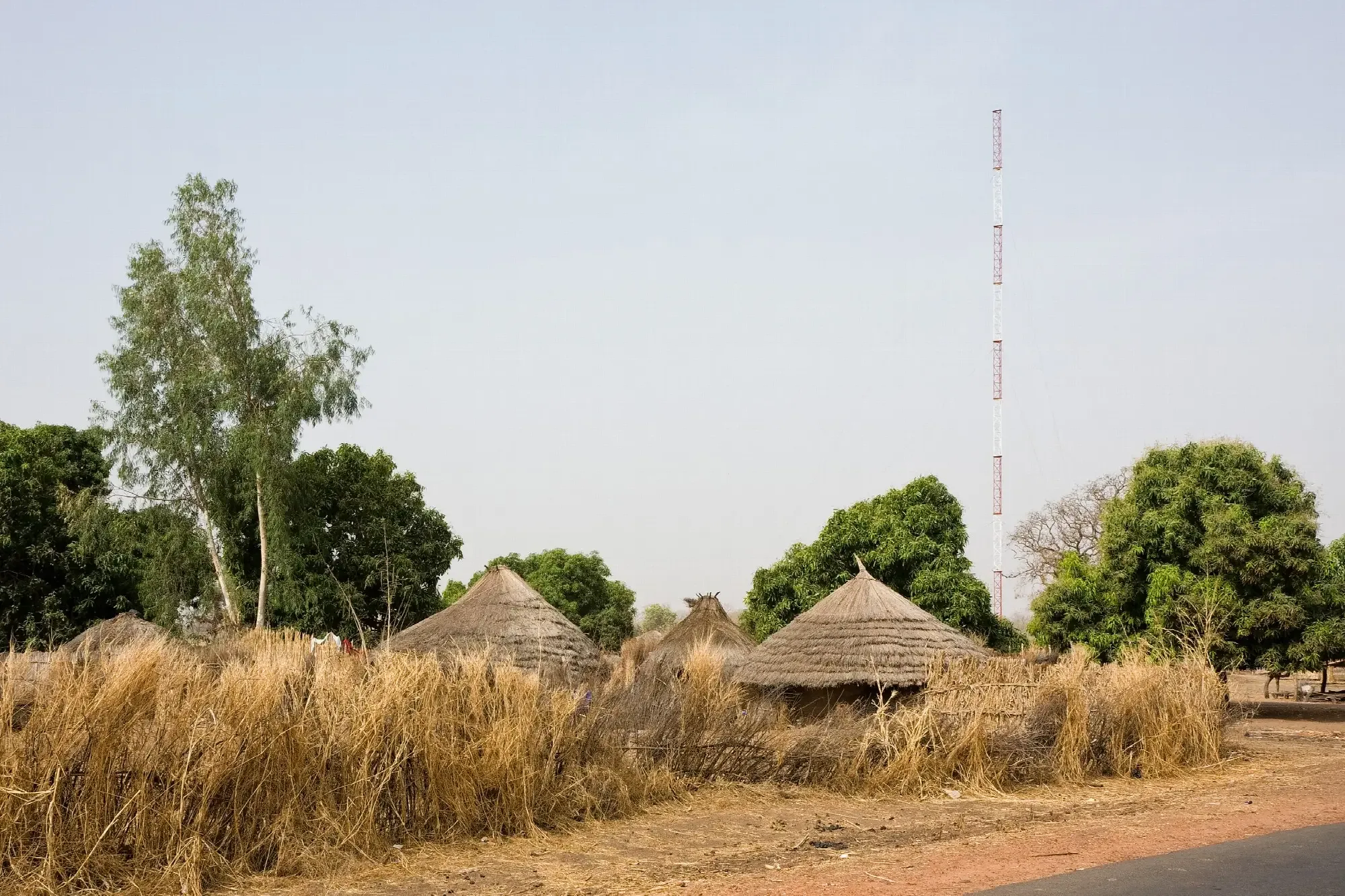
An estimated 6.3 billion people, three quarters of the world's population, are using the internet in 2026, and for the first time mobile internet has become affordable in two groups of the world's most disadvantaged countries, according to new figures from the United Nations.
The International Telecommunication Union (ITU), the UN agency for digital technology, published its annual Facts and Figures report on 3 November 2026.
An affordability first
The report says that landlocked developing countries and small island developing states have, for the first time, met a widely recognised affordability target: a basic mobile broadband plan costing less than 2% of average income.
Worldwide, the median price of a data-only mobile plan fell to 1.2% of average income, and a fixed broadband package to 2.3%.
Doreen Bogdan-Martin, the ITU's Secretary-General, said: "In the age of AI, being offline means being shut out of countless opportunities, from education to employment."
More people connected
The 6.3 billion people online this year, 76% of the world's population, compares with a revised estimate of 6.1 billion, or 74%, in 2025.
Other findings show gaps narrowing:
79% of men and 74% of women now use the internet, and the ratio of women to men online has risen to 0.94. Some 86% of 15 to 24-year-olds are online, and 82% of people in towns and cities compared with 63% in the countryside. About 84% of people aged 10 and over own a mobile phone, and 97% of the world's population live within reach of at least a 3G network.
Still work to do
The report is clear that the job is not finished. Around 2 billion people remain offline. Internet use stands at 93% in high-income countries, but just 32% in low-income countries. In the least developed countries, a basic mobile plan still costs 6.1% of average income, and three in ten economies meet neither the mobile nor the fixed broadband affordability target.
The quality of connections differs too. 5G reaches 86% of people in high-income countries but only 4% in low-income ones, and a typical mobile user in a low-income country gets through 3.4GB of data a month, around a sixth of the 20GB used in richer nations.
Cosmas Luckyson Zavazava, Director of the ITU's Telecommunication Development Bureau, said digital skills must go hand in hand with access: "Without digital skills and meaningful connectivity, the benefits of technologies risk remaining out of reach for many, reinforcing existing digital divides."
Ms Bogdan-Martin added: "Now more than ever, we need to expand connectivity and make it meaningful for everyone, everywhere."
Why it matters here
Birmingham is one of the most international cities in the UK, and many families here keep in touch with relatives across Africa, South Asia and the Caribbean through video calls and messaging apps. Cheaper, wider mobile internet in those regions makes those everyday connections easier, and opens doors to education, work and banking for millions.
More in World
All

Latest news
Featured posts
-
Things to do
Top 10 places to visit in Birmingham
-
Food and drink
The 12 most popular food spots in Birmingham
-
Things to do
The best laser tag locations in Birmingham