

Naga leaders travel to Oxford to bring home 39 ancestors taken in the colonial era
The Pitt Rivers Museum's largest return of human remains follows six years of talks, with a communal burial planned in Kohima.
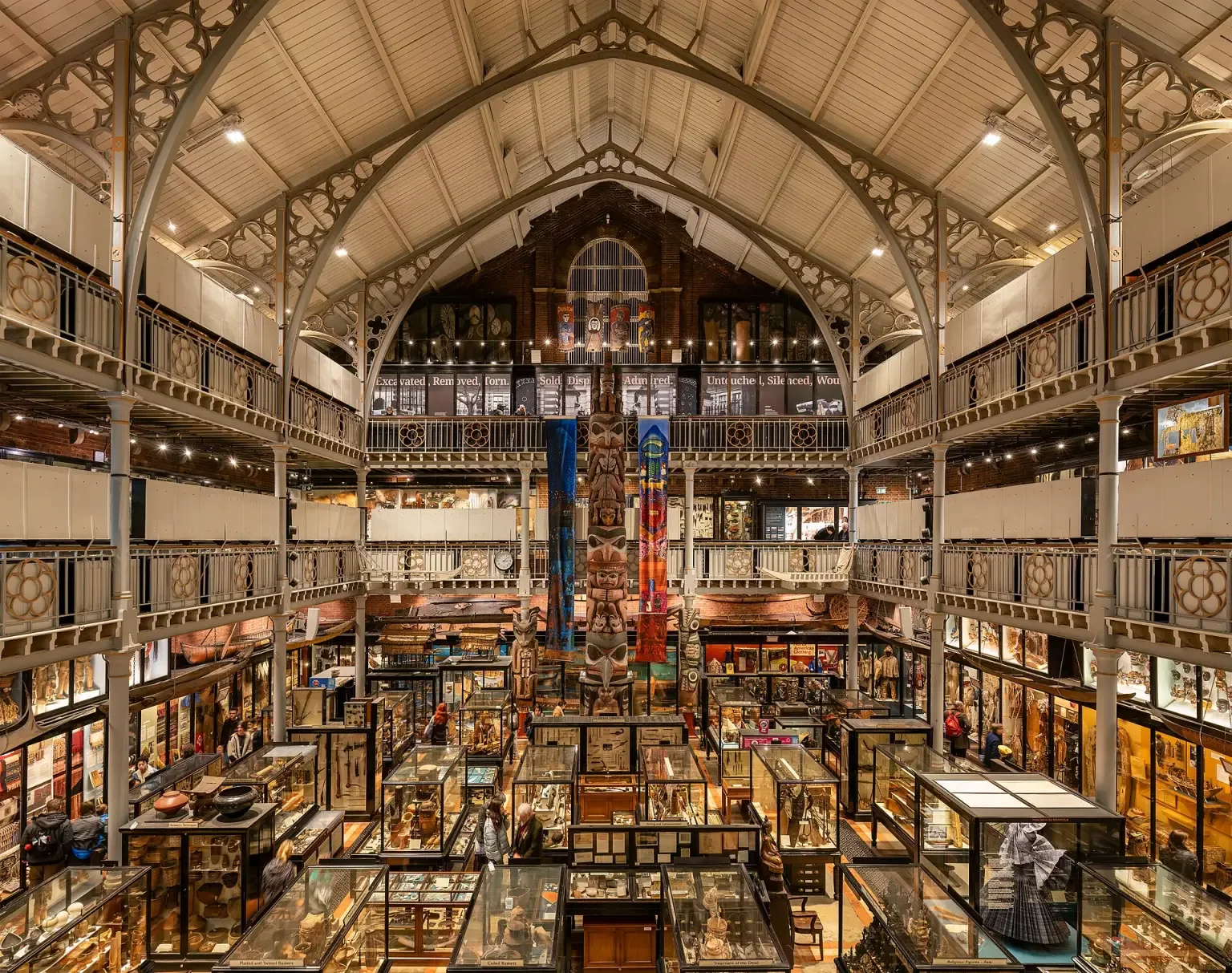
A delegation of Naga tribal leaders has travelled from north-east India to Oxford to bring home the remains of 39 ancestors that were taken during the colonial period and kept for generations at the University of Oxford's Pitt Rivers Museum.
The delegation, led by leaders of the Naga Tribe Hohos, left Nagaland for the UK on 6 November to complete the formal procedures for what the Forum for Naga Reconciliation (FNR) calls the "timely, safe and dignified return" of the remains. It is the museum's largest repatriation of human remains to date.
"We are welcoming our ancestors home"
"This is a moment of profound historical, cultural and human significance for the Naga people," the FNR said in a statement as the delegation set off.
"This is not simply bringing back human remains. We are welcoming our ancestors' home. Those who were once taken away, and whose stories remained largely untold, will finally return to the land of their birth and to the embrace of their people," the forum said.
Once the formalities in Oxford are complete, a public homecoming "grounded in respect, reconciliation and the restoration of human dignity" will be held in Nagaland.
Six years of talks
The remains were taken during the colonial period. The current effort to return them began in 2020, when the Pitt Rivers Museum's director, Professor Laura Van Broekhoven, approached the FNR about repatriation. The forum then set up a group called Recover, Restore and Decolonise, bringing together Naga academics, researchers, elders, tribal leaders and communities.
A Naga delegation visited the museum in June 2025 to see the remains, and in 2026 the University of Oxford's governing council formally agreed to return 39 sets of remains. One further set was not approved, because the university said there was not enough evidence to establish its Naga origin.
The museum has acknowledged that the historic acquisition of human remains does not meet present-day ethical standards, and in recent years has worked more closely with communities on returning them.
A shared resting place in Kohima
Although the remains are linked to different Naga communities, tribal leaders and the FNR have decided they will be received together as Naga ancestors and given a dignified communal burial in Kohima, the capital of Nagaland. Community leaders have said the decision is meant to avoid divisions over lineage and to make the burial a testimony to Naga unity.
The forum said the homecoming would also be a time for reflection, healing and reconciliation, allowing the present generation to reconnect with their ancestors and acknowledge the injustices of the past.
Part of a wider change
Museums across Britain have been reviewing collections gathered during the colonial era and, in a growing number of cases, returning items and remains to the communities they came from. Each return is negotiated case by case, usually over several years, as this one was.
For the Naga people, the journey to Oxford marks the end of a long wait. As the FNR put it, the delegation's journey "goes far beyond the repatriation of human remains. It is a journey to welcome our ancestors' home with dignity, gratitude, respect and love."
More in World
All
Latest news
Featured posts
-
Things to do
Top 10 places to visit in Birmingham
-
Food and drink
The 12 most popular food spots in Birmingham
-
Things to do
The best laser tag locations in Birmingham