

Met Office switches on world-first cloud supercomputer doing 60 quadrillion calculations a second
Built with Microsoft, the forecasting platform uses 1.8 million processor cores and handles more than 50 billion weather observations a day.
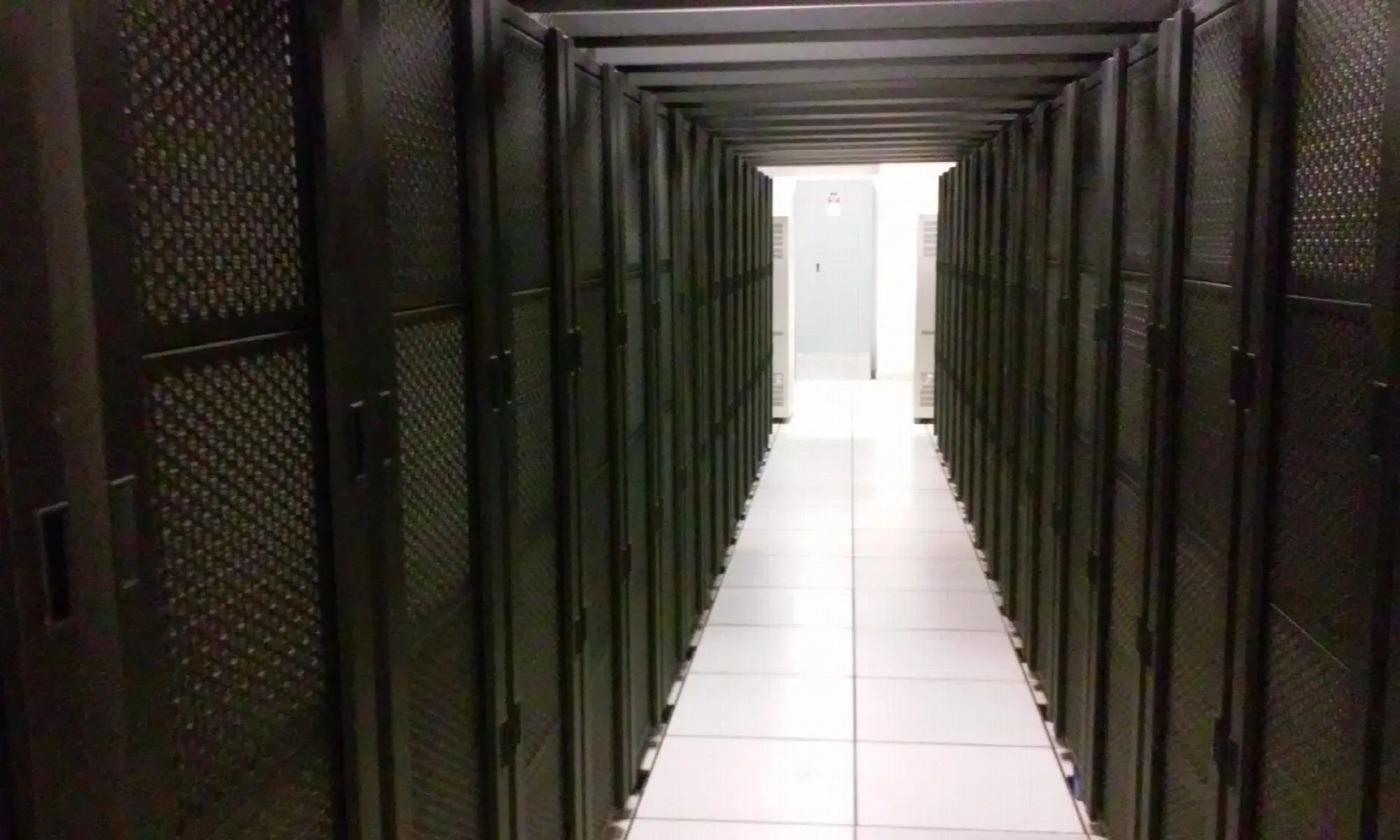
The forecasts that told Birmingham to expect fog this morning now come from the world's first fully managed cloud supercomputing service for weather and climate science. The Met Office has completed the move of its national forecasting platform to a service run with Microsoft, and says the system can carry out around 60 quadrillion calculations every second.
A huge leap in computing power
The new platform uses around 1.8 million processor cores and processes more than 50 billion weather observations every day. Those observations, from satellites, weather stations, aircraft, ships and balloons, are fed into the computer models that produce the forecasts, warnings and climate information used across the UK.
The Met Office delivered the programme in phases to protect the continuity of the country's forecasting. The first phase replaced the previous supercomputer like for like; the second substantially increased the computing power available for forecasting, climate research and scientific development.
It has also switched to a new cloud-based archive, the Managed Archive Storage System, replacing the previous archive based in Exeter. The archive underpins forecasting and research and has been designed to cope with the huge growth in data expected from ever more detailed simulations.
"A major achievement"
Charles Ewen, the Met Office's chief data and information officer, said: "This is a major achievement for the Met Office and the UK. Our new supercomputing capability underpins the forecasts, warnings and climate information that help people, businesses and public services make better decisions."
"Its scale allows us to process tens of billions of weather observations every day, conduct increasingly sophisticated scientific modelling and provide reliable services around the clock. This major operational milestone provides a strong foundation for further improvements to weather forecasting, climate science and the services that help the UK stay safe and thrive."
Better forecasts, and £11.3bn of benefits
The Met Office says the extra computing power is already improving how its models represent rainfall and other processes in the atmosphere, and allows more observations to be used in each forecast. It also supports climate models at higher resolution and with many more runs, helping scientists understand near-term weather and climate hazards.
The programme is on track to deliver £11.3 billion of social and economic benefits to the UK, across sectors including aviation, defence and land transport. It also supports severe weather warnings, emergency response, flood forecasting and energy resilience.
Moving to a managed cloud service has improved reliability and resilience, the Met Office says, and gives it access to Microsoft's round-the-clock operations, engineering and security expertise, freeing its own specialists to concentrate on science and services.
Why it matters day to day
Better forecasts make a practical difference: to the warning that tells drivers to expect fog, to flood alerts for homes near rivers, to councils planning when to grit the roads, and to Birmingham Airport and the railways deciding how to run services in bad weather. With the coming week's forecast unusually uncertain, the extra computing power will be put to the test straight away.
More in Technology
All


Latest news
Featured posts
-
Things to do
Top 10 places to visit in Birmingham
-
Food and drink
The 12 most popular food spots in Birmingham
-
Things to do
The best laser tag locations in Birmingham