
Met Office signs deal with Google to test AI weather model alongside its supercomputer forecasts
Scientists will assess WeatherNext 3, which can produce global forecasts in minutes from live satellite feeds, while human forecasters stay in charge of warnings.
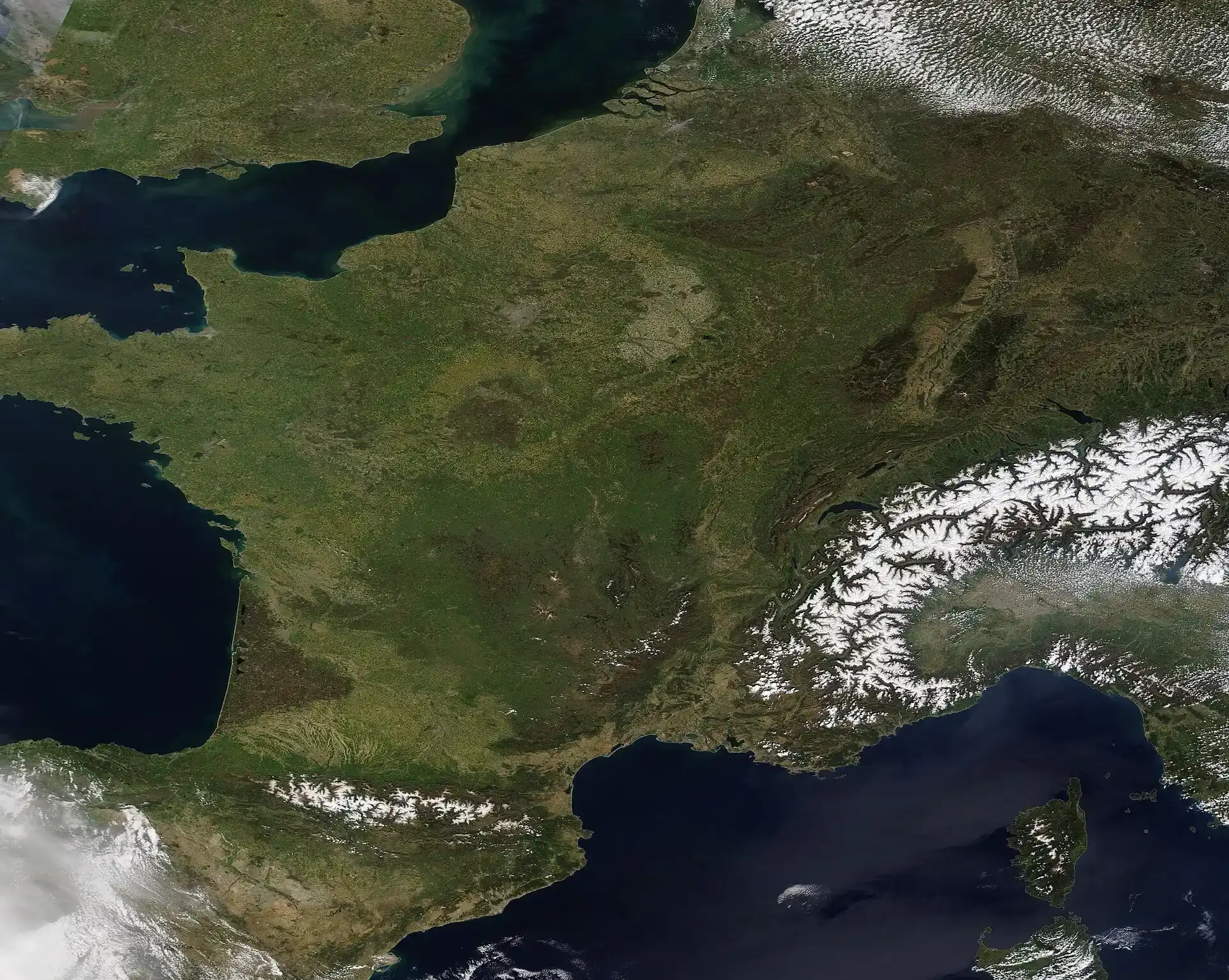
The Met Office has signed a new multi-year agreement with Google to test the tech giant's latest artificial intelligence weather model, WeatherNext 3, alongside the physics-based forecasts that underpin the weather warnings people in Birmingham and across the UK rely on.
Under the deal, set out in a Met Office blog post this week, Met Office scientists will assess the model in experimental "sandboxes" to see how useful it could be for operational forecasters. It follows earlier joint research between the two organisations on predicting tropical cyclones.
Forecasts in minutes
Today's forecasts are built on numerical weather prediction, which simulates the atmosphere by solving complex physical equations on supercomputers. That approach remains the foundation of the Met Office's forecasts and the National Severe Weather Warning Service.
AI models work differently. Trained on huge historical records and observations, they learn patterns in the data rather than the physics of the atmosphere, and can produce global multi-day forecast scenarios in minutes using little computing power. The Met Office stresses that AI is "not viewed as a replacement for physics-based models, but rather as a complement".
Pairing the two, it says, could help meteorologists explore a wider range of possible outcomes, track fast-moving weather systems and get earlier warning of high-impact events.
What WeatherNext 3 brings
WeatherNext 3 can take in live satellite and observation feeds directly to give rapid updates as conditions change. It also produces high-resolution output that could help forecasters study the effects of local terrain and coastlines across the UK, uses advanced probability techniques to spot early signs of intense downpours, and could give renewable energy firms better guidance on surface wind and sunshine.
Dr Caroline Bain, the Met Office's science strategic head, said: "Our core priority is providing trusted weather intelligence that keeps the public safe. AI models like WeatherNext 3 could add value alongside our physical prediction operational systems, offering our meteorologists new ways to explore atmospheric uncertainty."
Peter Battaglia, senior director of sustainability research at Google DeepMind, said: "National meteorological services set the benchmark for atmospheric science and public safety. Evaluating WeatherNext 3 with the Met Office ensures cutting-edge AI remains grounded in real operational needs, supporting national resilience and early warnings."
Humans still in charge
The Met Office is already developing its own machine-learning model, FastNet, with The Alan Turing Institute. It says any new AI technique must pass its existing strict validation before it is used in operational forecasts.
Its human forecasters are not going anywhere. "Expert human meteorologists remain indispensable," the Met Office said. "They interpret subtle atmospheric signals, resolve model divergence and deliver the clear, actionable advice and warnings the UK relies on every day."
The partnership comes as the Met Office prepares for an unsettled week, with Atlantic low pressure expected to bring rain and strong winds from Monday, exactly the kind of fast-changing weather where quicker forecasting tools could prove their worth.
More in Technology
All
Latest news
-
16 Nov
Apple launches study of 200,000 people to test how useful AI answers to health questions really are
-
16 Nov
Asian Business Chamber's Diwali celebration at St Andrew's explores innovation, from cybersecurity to football
-
16 Nov
Almost half of the region's exporters plan to break into new markets, and none expect to cut back
Featured posts
-
Things to do
Top 10 places to visit in Birmingham
-
Food and drink
The 12 most popular food spots in Birmingham
-
Things to do
The best laser tag locations in Birmingham